

Essential Home Decor Tips for Every Room
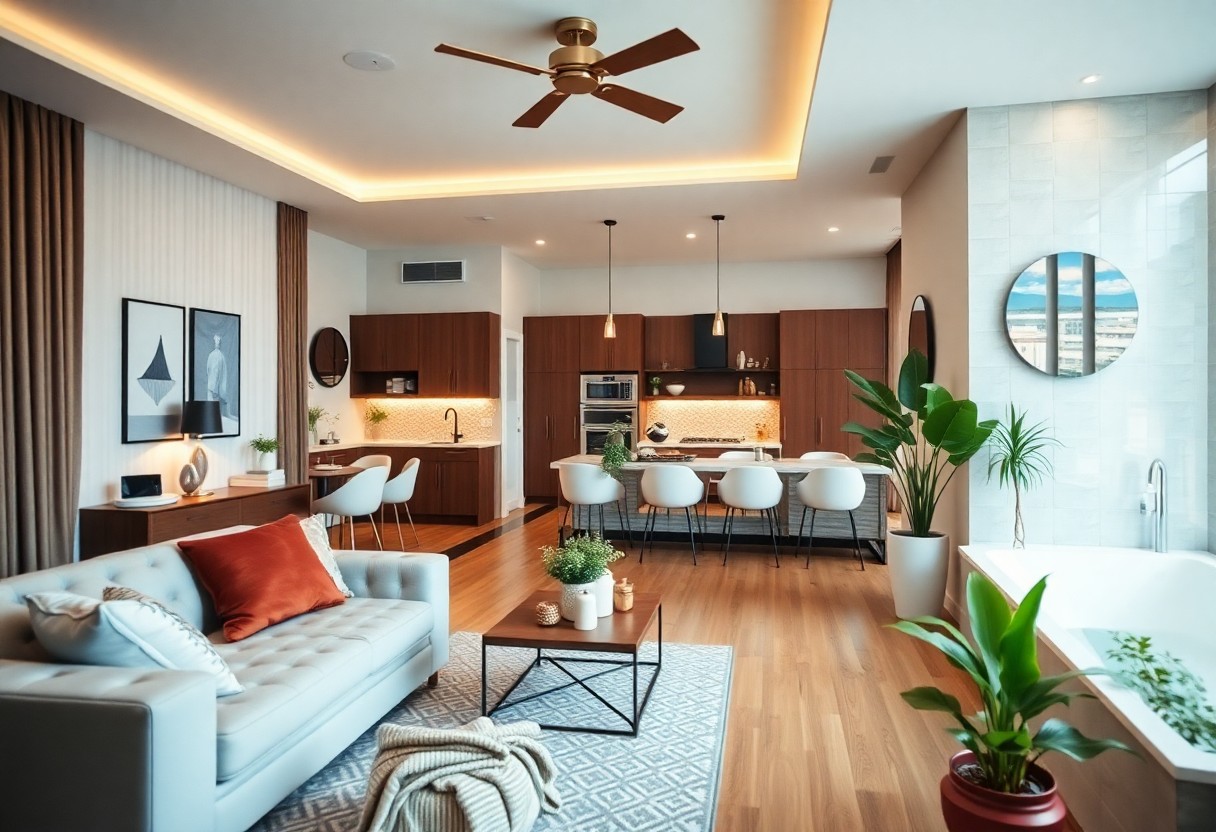
Many homeowners often overlook the impact of thoughtful decor on their living spaces. By understanding key principles of design, you can transform every room in your home into a stylish and functional haven. This guide offers important tips tailored to help you make informed choices that reflect your personal style while enhancing the overall harmony of your home. From living rooms to bedrooms, each area presents unique opportunities for creativity, ensuring that your home is both aesthetically pleasing and inviting.
Understanding Color Theory and Design Principles
Before submerging into home decor, it’s necessary to grasp the basics of color theory and design principles. These elements form the backbone of your interior choices, guiding you in creating a cohesive and aesthetically pleasing environment. By understanding how colors interact and the principles of design, you can make informed decisions that enhance the overall appeal of your space.
Color Schemes and Mood Creation
Creation of a color scheme is integral to setting the mood in any room. Different colors evoke various emotions; for instance, warm tones bring warmth and intimacy, while cool tones offer tranquility and calm. By selecting a harmonious palette, you can effectively influence how you and your guests feel within your space.
Balance and Proportion Fundamentals
Around every design choice lies the fundamental principle of balance and proportion. These elements ensure that your room feels harmonious and well-structured. Balancing visual weight is vital; whether through the arrangement of furniture or the selection of decor items, achieving proportion will make your space feel inviting and intentional.
Schemes of balance and proportion involve distributing visual elements evenly throughout your room. Consider the size and scale of furniture in relation to one another, and ensure there’s a sense of equilibrium. This could mean pairing a large sofa with complementary smaller pieces and using space effectively. Fine-tuning these aspects leads to a room that not only looks great but feels comfortable and functional as well.
Living Room Design Essentials
While designing your living room, consider it a space that reflects your personality and invites comfort. Balance aesthetics with functionality by selecting furniture and decor that cater to your lifestyle. Use a cohesive color palette, textures, and patterns to create a welcoming atmosphere that encourages relaxation and interaction. Pay attention to the layout, ensuring there is enough room for movement without the space feeling cluttered.
Furniture Arrangement and Flow
Any successful living room design starts with a well-thought-out furniture arrangement that promotes a natural flow throughout the space. Position seating to encourage conversation and ensure it faces focal points like a fireplace or television. Create pathways that allow easy movement, while using rugs to define separate areas, making the room feel more expansive and inviting.
Lighting and Accent Pieces
Design your living room with layers of lighting and striking accent pieces that enhance its overall appeal. Consider a combination of ambient, task, and accent lighting to create a versatile atmosphere. Table lamps and floor lamps add warmth, while decorative items like vases or artwork create visual interest. You should also remember to use dimmer switches to adjust the mood when needed.
Accent pieces can transform your living room from ordinary to extraordinary by adding character and style. Incorporate elements such as unique sculptures, handcrafted throws, or vibrant cushions that express your individuality. When chosen thoughtfully, these items can serve as conversation starters while complementing your overall design theme. Balance your accent decor with the rest of the room to ensure a harmonious look, allowing your personal style to shine through.
Bedroom Styling Guidelines
Now that you’ve decided to enhance your bedroom, focus on creating a balanced and inviting space. Choose a cohesive color palette that reflects your personal style, and invest in quality bed linens to elevate the overall feel of the room. Incorporate decorative elements such as artwork, plants, and lighting to add character while ensuring there is a harmonious flow throughout the space. By following these guidelines, you can transform your bedroom into a restful retreat.
Creating a Relaxing Atmosphere
Behind every tranquil bedroom is a thoughtfully designed atmosphere. Aim for soft, ambient lighting that can be easily adjusted, and select calming colors like blues, greens, or neutral tones for your walls and decor. Consider including tactile elements such as plush rugs, soft throws, and comfortable pillows to invite relaxation. You might also introduce vital oils or scented candles to engage the senses and create a soothing experience every time you enter your sanctuary.
Storage Solutions and Organization
Guidelines for an organized bedroom focus on maximizing space and minimizing clutter. Utilize under-bed storage for seasonal clothing, and opt for multifunctional furniture like ottomans with hidden compartments or bedside tables with drawers. Incorporate decorative baskets or bins to sort smaller items neatly. By effectively managing your belongings, you create a serene environment that enhances your bedroom’s overall aesthetic.
Storage solutions are vital for maintaining order in your bedroom. Consider using vertical space with shelves or wall-mounted organizers, which can keep frequently used items within easy reach while freeing up floor space. Utilize closet organizers to efficiently store shoes, accessories, and seasonal wear. By creating dedicated spots for your belongings, you not only streamline your daily routine but also cultivate a calm and organized atmosphere conducive to relaxation and restful sleep.
Kitchen and Dining Spaces
Many homeowners overlook the potential of their kitchen and dining areas as they often serve a functional purpose. However, transforming these spaces into inviting and aesthetically pleasing environments can enhance your cooking and dining experiences. By focusing on layout, lighting, and color schemes, you can create a harmonious atmosphere that fosters both creativity and comfort.
Functional Design Elements
Above all, prioritize a functional layout that promotes efficiency in your kitchen. Consider the work triangle formed by your sink, stove, and refrigerator to streamline food preparation. Utilize adequate storage solutions, such as cabinets and shelving, to keep your space organized and tidy, ensuring a smooth workflow for all your culinary adventures.
Decorative Touches and Accessories
Dining spaces should reflect the warmth and conviviality of shared meals. Incorporate personalized items, such as family heirlooms or artwork, to make your dining area feel special. Textiles like tablecloths, napkins, and placemats can add color and texture, while strategically placed lighting enhances the ambiance for a perfect dining experience.
In addition, using decorative elements like fresh herbs in pots, unique table centerpieces, or stylish dishware can elevate your dining experience. Wall art or framed recipes can make your kitchen feel more personalized and lived-in. Consider seasonal decor to keep your space feeling fresh and exciting. By infusing your kitchen and dining areas with thoughtful touches, you create an inviting atmosphere where meals can be enjoyed and cherished.
Bathroom Decor Strategies
Once again, creating a stylish and functional bathroom requires thoughtful design choices. You want your bathroom to be a sanctuary, combining relaxation with practicality. Pay attention to color schemes, lighting, and accessories to make the most of this space. By implementing a cohesive theme, you can transform your bathroom into a visually appealing oasis that meets your daily needs.
Space Optimization
Decor in a bathroom should focus on maximizing space while providing necessary functionality. Use vertical storage solutions such as shelves and hooks to keep your toiletries organized and within reach. Consider slimline furniture or floating vanities that create an illusion of more space. Mirrors can also help amplify light and make the area feel larger.
Style and Functionality Balance
Above all, achieving a balance between style and functionality is key to a well-designed bathroom. Your decor should reflect your personal taste while serving practical purposes. Choose lighting that enhances the ambiance but also provides adequate illumination for tasks. Opt for accessories that are not only decorative but also functional, such as stylish towel racks or unique storage containers.
Another approach to maintain this balance is to select materials that marry aesthetics with durability. For instance, ceramic tiles can be both beautiful and water-resistant, while chic fixtures can offer modern style without sacrificing performance. By prioritizing both appearance and usability, you can create a bathroom that complements your lifestyle while being visually inviting.
Multi-Purpose Room Solutions
To create a functional multi-purpose room, you should strategically blend different elements that cater to your various needs. Consider the furniture layout and choose pieces that can serve multiple functions, such as a sofa bed or a folding desk. Use dividers to define spaces, and opt for storage solutions that help maintain order while keeping everything easily accessible. Personal touches, like artwork and decorative storage boxes, will create an inviting atmosphere without sacrificing practicality.
Home Office Integration
Room configurations should accommodate your home office without compromising comfort or style. By selecting a flexible desk that blends seamlessly into your space, you can maintain productivity while still enjoying a welcoming environment. Look for options with built-in storage or adjustable features to keep your workspace tidy and versatile.
Versatile Space Planning
Below, prioritize adaptability in your space planning to enhance your room’s functionality. Utilize modular furniture that can be rearranged based on your current needs, ensuring you can transition between work, relaxation, and entertaining seamlessly. A well-thought-out layout will maximize your available square footage and encourage a harmonious flow between different activities.
To achieve versatile space planning, assess your daily routines and how you can create distinct zones in your room. Consider multi-functional furniture, such as an ottoman that doubles as storage, to enhance efficiency. Use rugs and lighting to define areas while ensuring each section has a cohesive design. Make adjustments seasonally or as your family’s needs change to keep the space fresh and adaptable.
Final Words
With these considerations in mind, you can transform each room in your home into a reflection of your personal style and functionality. Pay attention to color schemes, lighting, and furniture arrangement to create inviting spaces. Don’t forget the importance of layering textures and incorporating personal touches that resonate with you. By following these crucial home decor tips, you’ll enhance the beauty and comfort of your living environment while ensuring it meets your needs and preferences.