

The Art of Minimalist Home Décor
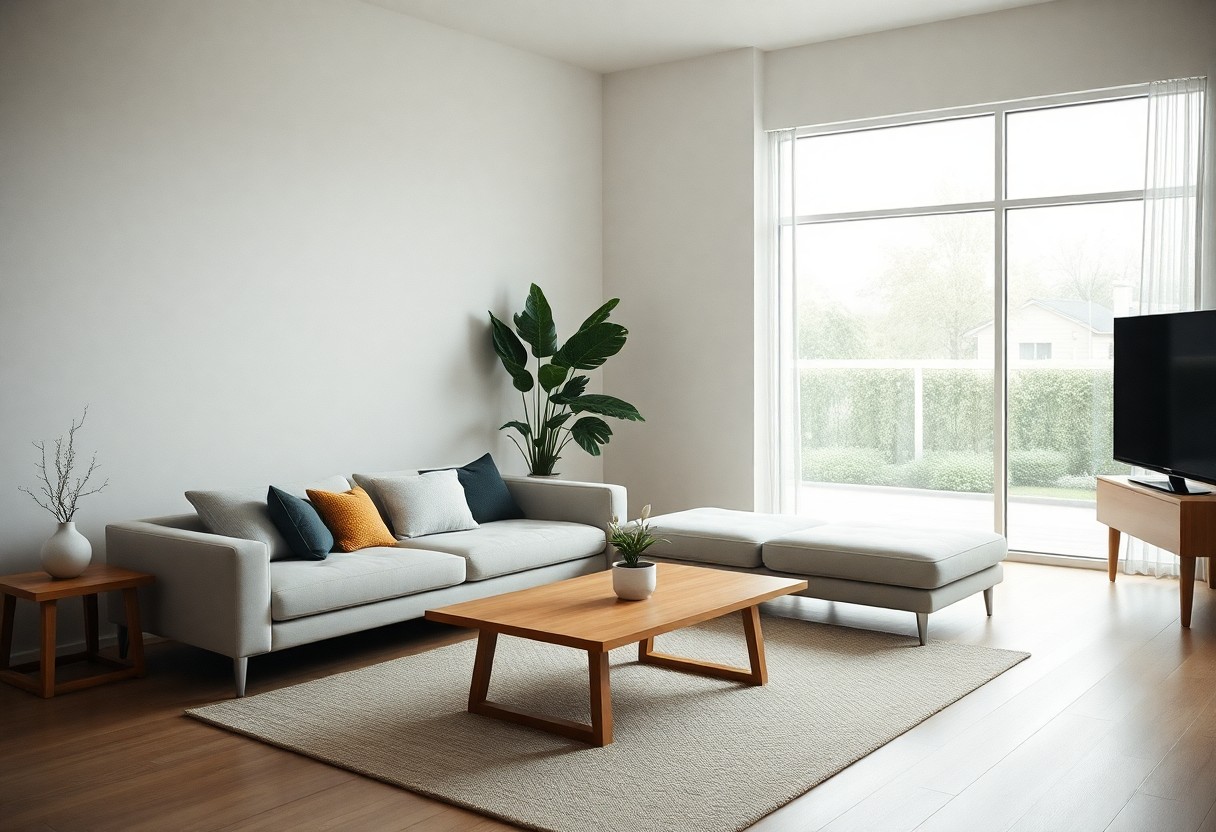
With the rise of clutter-free living, mastering the art of minimalist home décor can transform your space into a haven of tranquility and elegance. You’ll learn how to embrace simplicity by selecting important items that enhance your environment while reducing excess. This approach not only showcases your unique style but also promotes a sense of calm and well-being in your everyday life. Explore practical tips and strategies to help you curate your personal sanctuary, allowing you to experience the profound impact of a thoughtfully designed minimalist home.
Understanding Minimalism
Before embracing a minimalist home décor, you must first grasp the essence of minimalism. It’s not merely about reducing clutter; it’s a lifestyle choice that encourages intentional living. By focusing on what truly matters, you can create a serene and stylish space that reflects your values. Minimalism invites you to appreciate the beauty of simplicity, ensuring that every element in your home serves a purpose and brings you joy.
The Philosophy Behind Minimalism
Between the hustle of modern life and the distractions of consumerism lies the philosophy of minimalism. At its core, minimalism emphasizes sustainability, mindfulness, and intentionality in every aspect of your life. It encourages you to choose quality over quantity, fostering a deeper connection with your environment. This shift in perspective not only enhances your living space but also promotes a more balanced and fulfilling lifestyle.
Benefits of a Minimalist Home
Before venturing into the world of minimalist décor, consider the myriad benefits it can offer. A minimalist home fosters a sense of calm and clarity, allowing you to focus on what truly matters. By eliminating excess, you create a more functional space that enhances your daily life, reduces distractions, and promotes mental well-being.
Minimalist living leads to a more organized and efficient home environment. With fewer items, you can easily access what you need, making your daily routines smoother and less stressful. Additionally, embracing minimalism invites you to cultivate a sense of mindfulness and purpose in your life, encouraging you to surround yourself only with things that resonate with your true self. Ultimately, a minimalist home can be a sanctuary that nurtures your mental clarity and emotional well-being.
1. Embrace simplicity for a serene living space.
2. Choose functional furniture with clean lines.
3. Opt for a neutral color palette to enhance calmness.
4. Limit decorative items to avoid clutter and chaos.
5. Use natural light to create an airy atmosphere.
6. Prioritize quality over quantity in home accessories.
Key Principles of Minimalist Décor
It’s crucial to understand that minimalist décor is about creating balance and harmony in your living space. By focusing on a select few elements, you can achieve a visually appealing environment that emphasizes simplicity and functionality. Prioritize quality over quantity, incorporating items that are not only aesthetically pleasing but also serve a purpose in your life.
Decluttering and Simplifying
Among the foundational steps of minimalist décor is decluttering your space. Start by evaluating each item in your home and determining its significance. You’ll want to keep only those possessions that genuinely enhance your daily experience, allowing you to create a serene atmosphere free from unnecessary distractions.
Embracing Space and Light
Between furniture arrangement and color choices, a key aspect of minimalist design involves utilizing space and light effectively. You should arrange your furniture to maximize open areas, encouraging a sense of airiness. Opt for light, neutral colors to reflect natural light and further enhance the spacious feeling in your home.
At the heart of embracing space and light is the idea of creating a warm and inviting atmosphere. By strategically placing mirrors and using sheer window treatments, you can amplify the flow of natural light throughout your home. This not only brightens your space but also expands your perception of it, making everything feel more expansive and serene. You may find that simplicity and lightness transform how you enjoy and engage with your environment.
Color Palettes in Minimalist Design
Not overwhelming your space with a variety of colors is key in minimalist design. Instead, choose a cohesive palette that enhances the simplicity you crave. By sticking to a limited range of hues, your home can exude a sense of calm and clarity, allowing the elegance of minimalist décor to shine through. Consider how each shade interacts with natural light and your chosen materials to create a harmonious environment.
Neutral Tones and Their Impact
With their ability to evoke a sense of serenity, neutral tones form the foundation of minimalist design. Shades like beige, gray, and white make your space feel open and airy, seamlessly blending with your furniture and décor. Incorporating neutrals allows you to establish a calm backdrop that invites tranquility while highlighting the simplicity of your furnishings and accents.
Accent Colors for a Minimalist Touch
Above all, accent colors can add personality to your minimalist space without overwhelming it. By strategically incorporating one or two bold colors, you can create focal points that draw the eye and inject life into your decor. Whether it’s a vibrant piece of artwork or an eye-catching throw pillow, these accents serve to enrich your neutral palette while maintaining the overall simplicity of your design.
Consequently, using accent colors thoughtfully allows you to express your personal style within a minimalist framework. Select hues that resonate with you, and use them sparingly in key areas—like a single vase, a chair, or an art piece. This intentional approach not only enhances the overall aesthetic but also keeps your space uncluttered and visually appealing, adding depth without detracting from its minimalist essence.
Furniture Selection for Minimalism
Now that you’ve embraced the concept of minimalism, it’s imperative to focus on furniture selection that aligns with your vision. Each piece should contribute to a sense of space and tranquility, so prioritize simple designs, clean lines, and functional forms. Look for items that spark joy and complement your aesthetic, while also ensuring that your living areas remain uncluttered and harmonious.
Multi-functional Pieces
To maximize your living space, consider incorporating multi-functional furniture into your home. Items such as a sofa bed, storage ottomans, or convertible tables not only serve various purposes but also help reduce clutter, allowing you to maintain a minimalist atmosphere while staying practical.
The Importance of Quality Over Quantity
Selection of furniture should emphasize quality over quantity for a minimalist home. Investing in fewer, high-quality pieces ensures durability and lasting appeal, creating a serene environment that encourages relaxation and mindfulness.
Further, by prioritizing quality, you cultivate a space that reflects your values and aesthetic preferences. High-quality furniture typically features better materials and craftsmanship, which not only enhances the visual appeal but also provides comfort and functionality. Each chosen piece becomes a statement of intentional living, reinforcing your commitment to minimalism and enabling you to appreciate the beauty and purpose of your surroundings.
Textures and Materials
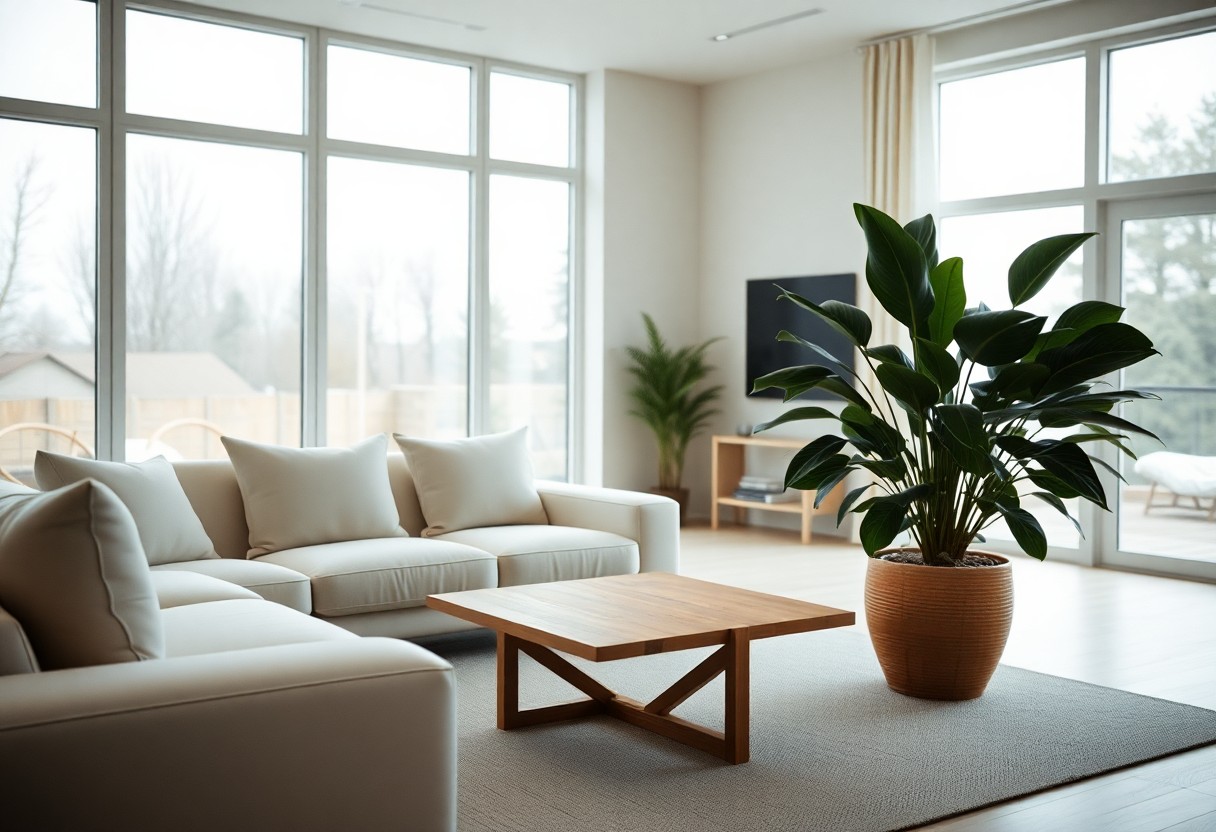
Keep in mind that the success of minimalist home décor largely hinges on the thoughtful combination of textures and materials. Emphasizing simplicity does not mean sacrificing depth; instead, it invites you to showcase a variety of surfaces that contrast while remaining cohesive. From soft textiles to sleek metals, each element should harmoniously contribute to your space’s overall aesthetic, ensuring a tranquil and welcoming environment.
Natural Elements in Minimalist Décor
Against a backdrop of minimalism, incorporating natural elements can bring warmth and organic beauty to your home. Wood, stone, and plants can soften the starkness of minimalist design, creating a balanced atmosphere. Opt for raw, unpolished finishes that enhance the authentic feel of nature, allowing your space to breathe and connect with the outdoors.
Balanced Use of Textures
Textures are key to achieving a layered yet uncluttered look in your home. By thoughtfully integrating various materials, you can create visual interest without overwhelming the senses. Consider juxtaposing soft fabrics with hard surfaces or incorporating matte finishes alongside glossy ones; this interplay fosters an inviting environment that still honors the minimalist ethos.
Materials play an imperative role in this textured balance; they allow you to build a narrative within your space. Select creamy linens, rough-hewn woods, or brushed metals to invite touch and visual curiosity. Ensure that these materials align with your minimalist philosophy, maintaining a sense of clarity and purpose in every piece you introduce into your home.
Personal Touches in a Minimalist Home
Many people believe that minimalism means sacrificing personal style, but incorporating personal touches in your minimalist home can add warmth and character. You can achieve this balance by curating a few meaningful items that reflect your personality and experiences, allowing your space to feel both inviting and uncluttered. Thoughtfully selected pieces, such as family photos or souvenirs from your travels, can enhance your home’s aesthetic while keeping it true to your essence.
Meaningful Décor Items
Home is where your memories reside, and meaningful decor items can serve as cherished reminders of your life’s journey. By choosing decor that tells your story, you create a space that feels uniquely yours. Opt for a handful of carefully chosen pieces rather than overcrowding your surfaces, ensuring each item holds significance for you and contributes to the overall atmosphere of your home.
Art and Its Role in Minimalism
For those who appreciate art, it is an imperative aspect of minimalism that can elevate your home. Carefully chosen artwork not only enlivens your space but can also express your individuality and interests. Instead of filling your walls with numerous pieces, focus on a few impactful works that resonate with you, creating a beautiful focal point without overwhelming your minimalist aesthetic.
Role of art in minimalist design extends beyond mere decoration; it engages the viewer and can evoke emotions that enhance your living space. By selecting pieces that spark joy or inspiration, you can cultivate an environment that promotes tranquility and creativity. When integrated thoughtfully, art can transform a minimalist home into a reflective sanctuary, making each piece feel both purposeful and significant.
Summing up
Upon reflecting on the principles of minimalist home décor, you can see how embracing simplicity can transform your space into a serene and functional environment. By thoughtfully choosing a limited number of high-quality items and focusing on clean lines and neutral colors, you enhance not just the aesthetic appeal but also the overall atmosphere of your home. Minimalism encourages you to prioritize what truly matters, allowing for a more intentional and enjoyable living experience. With these ideas, you can create a space that is both stylish and meaningful, enriching your daily life.