

Smart Homes – How Technology is Changing Interior Design
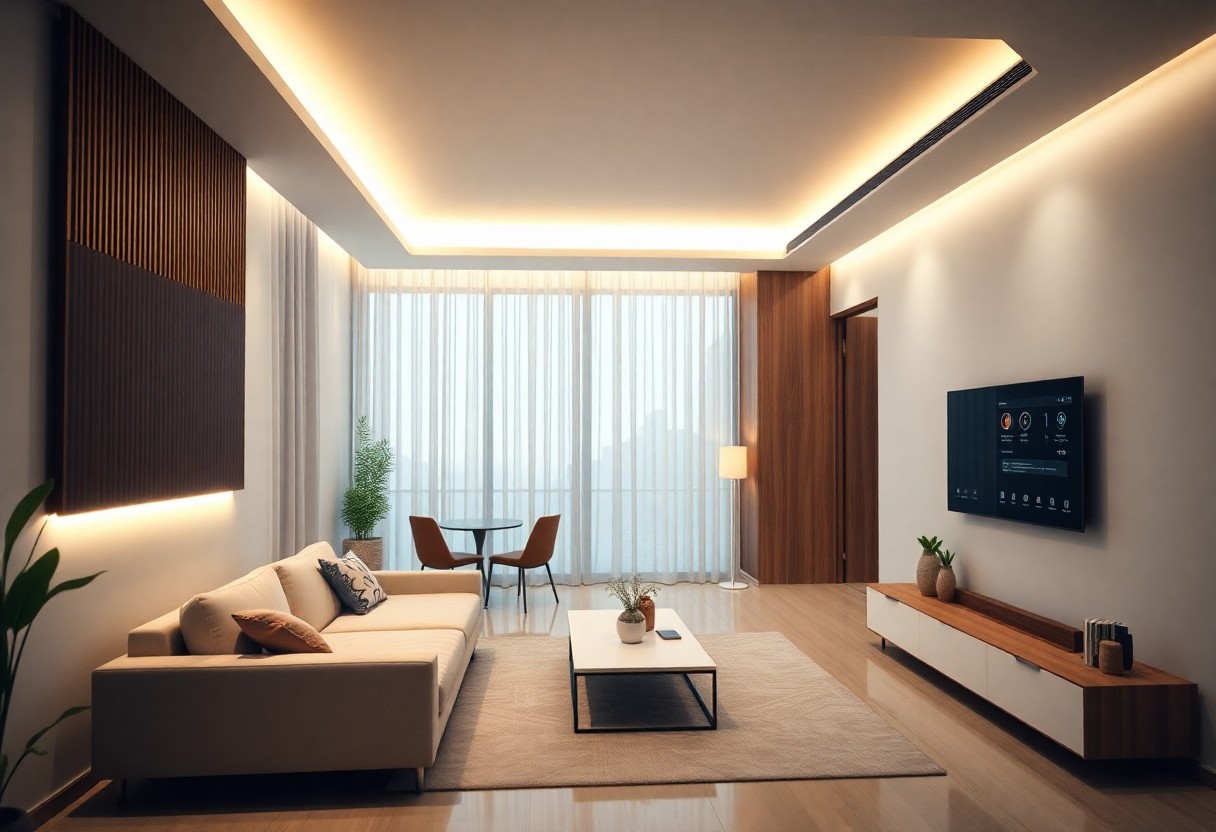
Over the last decade, technology has transformed the way you design and interact with your living spaces, resulting in the rise of smart homes. From automated lighting systems to smart thermostats and integrated entertainment units, modern technology is revolutionizing interior design by enhancing convenience, efficiency, and aesthetic appeal. In this blog post, you will discover how these innovations not only improve functionality but also create a seamless blend of style and comfort in your home environment.
The Evolution of Smart Homes
For decades, smart homes have transformed from mere concepts into a seamless integration of technology in our daily lives. With advancements in innovation, more features and appliances are becoming interconnected, allowing you to enjoy greater convenience and efficiency in your living space. As we explore into the evolution of smart homes, you’ll discover how these advancements impact your interior design choices and overall lifestyle.
Historical Context
Any discussion about smart homes must begin by acknowledging the technological roots that paved the way for modern convenience. Early home automation systems appeared in the 1960s, but it wasn’t until the late 1990s and early 2000s, with the introduction of Wi-Fi and internet connectivity, that the idea of a connected home gained true traction, setting the foundation for today’s innovations.
Key Technologies
Smart devices and systems are at the forefront of the smart home evolution, enhancing your interior design and lifestyle. These technologies include smart thermostats, lighting, security systems, and voice-activated assistants, all designed to improve your home experience and provide greater control over your environment.
Even as you explore the landscape of smart home technologies, it’s important to understand that these advancements go beyond mere convenience. Smart thermostats can optimize your home’s energy consumption, while smart lighting can create ambiance tailored to your mood. Security systems provide peace of mind with real-time alerts, and voice assistants facilitate effortless management of tasks. As you consider these devices, envision how they can enhance both your living space and overall day-to-day experience.
1. Smart devices seamlessly integrate with modern interior design.
2. Automation enhances comfort and energy efficiency in homes.
3. Customizable lighting options create versatile room atmospheres.
4. Voice control simplifies everyday tasks and enhances convenience.
5. Smart security systems boost safety and peace of mind.
6. IoT integration enables remote control and monitoring capabilities.
Impact on Interior Design
If you think about it, technology has transformed the way you approach interior design, making it not just about aesthetics but also about functionality and efficiency. Smart homes enable you to create a harmonious blend of beauty and innovation, ensuring that every aspect of your space is optimized for comfort and convenience. This evolution in design allows you to tailor your environment to fit your lifestyle, showcasing how modern advancements influence your home aesthetic.
Space Optimization
Across various interior spaces, smart technology facilitates the optimization of layout and functionality. For instance, automation systems can adjust lighting and temperature based on your daily routines, leading to a more organized and efficient use of space. By incorporating smart furniture solutions that adapt to your needs, you can enhance the usability of your home while maintaining visual appeal.
Aesthetic Integration
Beside efficiency, aesthetic integration in your smart home ensures that technology enhances your design rather than detracts from it. Smart devices are increasingly available in sleek, stylish forms that complement your interior style. When you choose tech products, consider how they will harmonize with your decor, creating a cohesive look that feels intentional and sophisticated.
It’s crucial to select smart devices that align with your design preferences, reinforcing the overall aesthetic of your space. Modern gadgets, from hidden speakers to smart thermostats, can be beautifully incorporated into your interiors without compromising style. Paying attention to details such as color, material, and placement can help you create an environment where technology seamlessly enhances your decor, making your home both functional and visually appealing.
Smart Furniture and Appliances
After you incorporate smart furniture and appliances into your home, you’ll experience a seamless blend of functionality and design. Smart seating options, tables, and kitchen devices can adapt to your preferences, enhancing both comfort and convenience. By embracing this innovative technology, your living spaces become not only stylish but also responsive to your daily needs, promoting a more efficient lifestyle.
Overview of Smart Products
At the forefront of interior design innovation, smart products are revolutionizing how you interact with your living space. From voice-activated assistants to automated lighting and temperature controls, these technological advancements allow you to personalize your environment effortlessly. They bridge the gap between aesthetic appeal and cutting-edge functionality, ensuring that your home is both beautiful and intelligent.
Benefits and Considerations
The integration of smart furniture and appliances in your home offers numerous advantages, including enhanced convenience and improved energy efficiency. However, it’s necessary to consider compatibility with other devices, initial investment costs, and the potential for obsolescence as technology evolves.
Smart furniture and appliances can significantly enhance your daily life by providing comfort and control at the tip of your fingers. You can streamline your routines and even save on energy bills with energy-efficient smart devices. Nevertheless, it’s important to assess whether these innovations fit within your lifestyle and home layout. Investing in these items requires careful thought; ensuring they complement your existing system and align with your budget will maximize your enjoyment and benefits.
Home Automation Systems
Unlike traditional homes, smart homes leverage automation systems to enhance convenience and efficiency in your daily life. These systems allow you to control various aspects of your home environment, from lighting to security, all through a central interface. With the advancement of technology, your ability to personalize your living space is now more sophisticated than ever.
Types of Automation Systems
Automation systems can be categorized into several types:
- Smart lighting systems
- Smart heating and cooling systems
- Home security systems
- Smart entertainment systems
- Smart appliances
The flexibility of these systems allows you to customize functionality based on your lifestyle needs.
| Type | Description |
|---|---|
| Smart lighting systems | Control brightness and color of lights remotely |
| Smart heating and cooling systems | Automate temperature settings based on occupancy |
| Home security systems | Monitor and control home security remotely |
| Smart entertainment systems | Stream media and control devices with voice commands |
| Smart appliances | Manage appliances like fridges, ovens and washers |
User Experience and Accessibility
Between the myriad of options available, user experience and accessibility are paramount in ensuring you can efficiently manage your smart home. Customizable interfaces and intuitive controls enhance your interaction with devices, making the technology not just functional, but enjoyable to use.
Experience in a smart home environment can significantly enhance accessibility for everyone, including those with mobility issues. Many automation systems can be controlled via voice commands or smartphone apps, allowing you to adjust settings without physically moving. Additionally, the integration of smart technology in your home empowers you to create environments tailored to your needs, offering confidence and control over your living space. Overall, these advancements aim to make your home not only smarter but also more inclusive.
Sustainability and Energy Efficiency
To create a more sustainable and energy-efficient home, you can leverage smart technology that minimizes resource consumption and reduces your carbon footprint. By integrating smart thermostats, energy-efficient appliances, and automated lighting systems, you can significantly decrease energy use while maintaining a comfortable living environment. These innovations not only contribute to a greener planet but also enhance the aesthetic of your interiors, making sustainability a stylish choice.
Smart Solutions for Eco-Friendly Living
The rise of smart home devices allows you to optimize energy consumption without sacrificing comfort. Features like smart irrigation systems, programmable thermostats, and energy-monitoring apps enable you to track and manage your energy use efficiently. This level of control empowers you to make environmentally conscious decisions that benefit both your home and the planet.
Long-Term Economic Benefits
Living in a smart home equipped with energy-efficient technologies can lead to significant cost savings over time. By reducing your energy consumption, you lower your utility bills, which can add up to considerable savings annually. Additionally, such investments increase the value of your property, making your home more appealing to potential buyers in a competitive market.
Efficiency in energy use directly translates to financial savings that can enhance your overall financial well-being. As you adopt smart home technologies, you’ll likely experience a noticeable reduction in your monthly expenses, freeing up funds for other priorities. Furthermore, as energy costs continue to rise, your initial investments in energy-efficient solutions will pay off in the long run, making your home not just a comfortable refuge but also a financially sound investment.
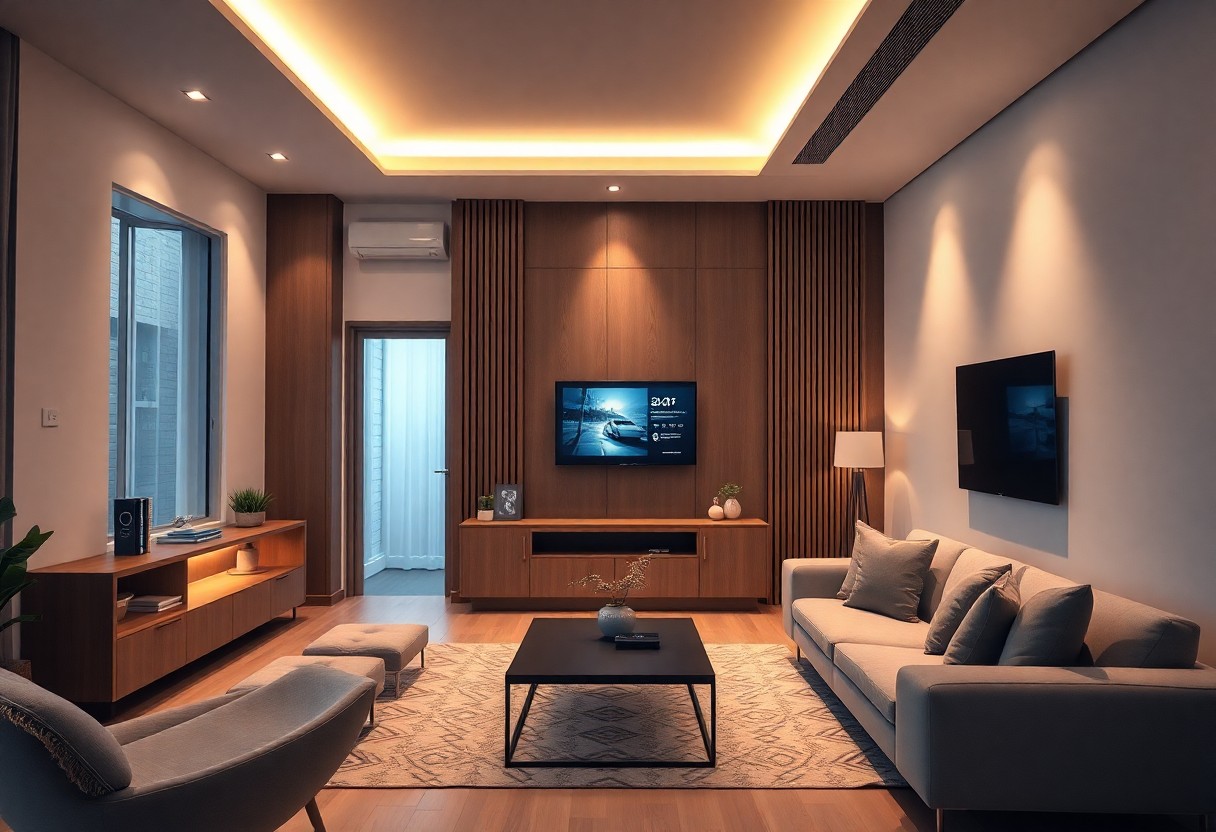
Future Trends in Smart Home Design
Keep an eye on the horizon, as the future of smart home design is poised to redefine your living experience. As technology evolves, you can expect to see even more seamless integration of smart devices, personalized environments, and enhanced user interfaces that prioritize convenience and sustainability. By staying ahead with these trends, you can create space that not only adapts to your needs but also contributes to a more efficient and connected lifestyle.
Emerging Technologies
Below are some exciting technologies that will shape your smart home experience. Innovations in artificial intelligence and machine learning will enable devices that learn your habits and preferences, making your home more intuitive. Furthermore, advancements in IoT (Internet of Things) will enhance connectivity and interoperability between your devices, ensuring a cohesive and responsive ecosystem. From smart appliances to integrated security solutions, these technologies promise a level of convenience and efficiency previously imagined only in science fiction.
Predictions for the Next Decade
Decade by decade, the landscape of smart home technology continues to evolve rapidly, and the next ten years will be no exception. You can expect a surge in renewable energy systems integrated into home designs, such as solar panels and energy storage solutions that work in tandem with smart systems to maximize efficiency. Additionally, the focus will shift towards health-centric technologies that monitor indoor air quality, encourage physical well-being, and even promote mental health through tailored lighting and sound environments.
With advancements in augmented reality and virtual reality, you will likely find yourself able to visualize and customize your smart home spaces in real-time, making design choices easier and more engaging. Smart materials capable of self-cleaning and adapting to environmental changes could become commonplace, reducing maintenance tasks and enhancing your home’s longevity. As urbanization continues, smart homes will not only provide comfort and convenience but also promote sustainable living, ensuring that your home aligns with both your lifestyle and environmental values.
Conclusion
Now, as you explore the world of smart homes, you’ll find that technology significantly reshapes your interior design choices. By integrating automated systems and smart devices, you can create a living space that enhances both functionality and aesthetics. Embracing these innovations allows you to personalize your environment with convenience, efficiency, and style, making your home truly reflective of your lifestyle and preferences.