

Modern Minimalism – Redefining Home Spaces
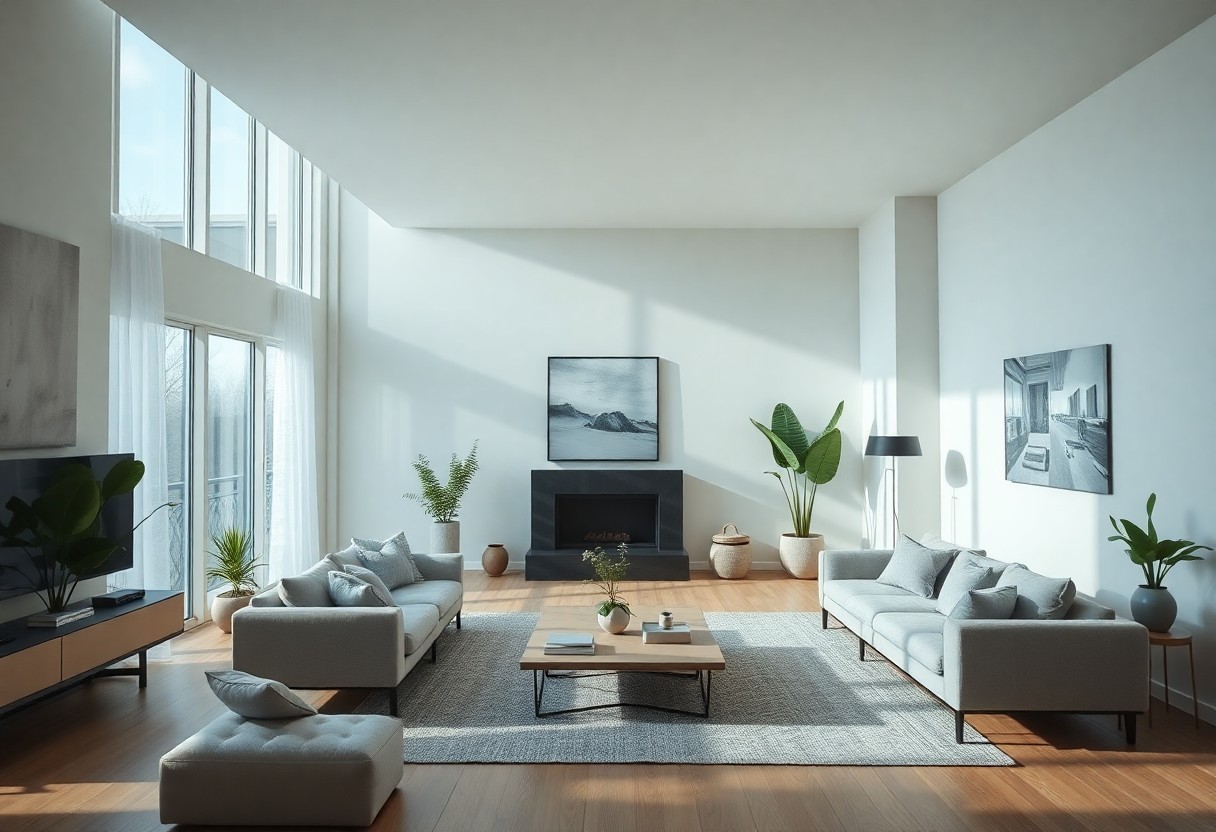
Minimalism invites you to embrace simplicity and clarity in your living environment. By focusing on important elements and eliminating clutter, you can create a harmonious home that reflects your personality while promoting a sense of tranquility. In this blog post, you will discover how modern minimalism can transform your spaces, making them more functional and aesthetically pleasing. Learn practical tips and insights to help you launch on your journey towards a minimalist lifestyle, ultimately allowing your home to be a true sanctuary of peace and creativity.
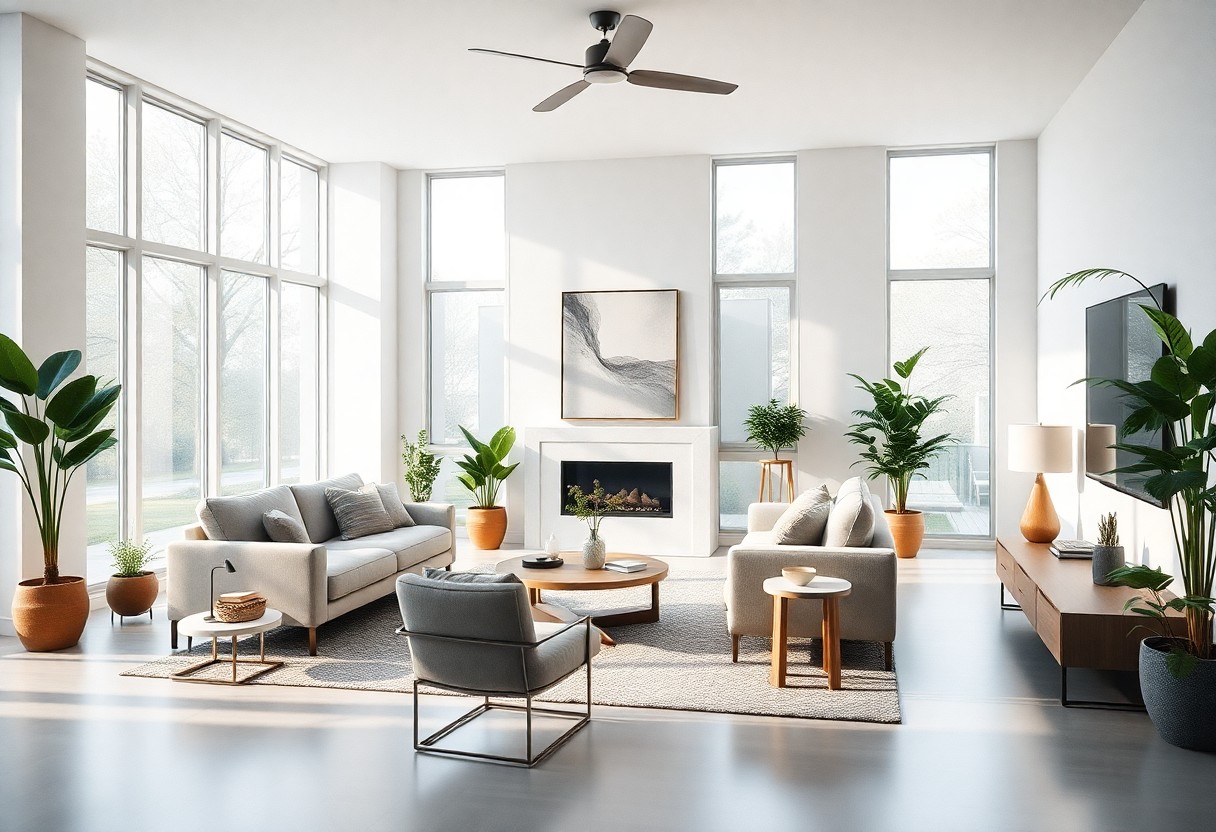
The Principles of Modern Minimalism
Before you research into modern minimalism, it’s imperative to grasp its foundational principles. This design philosophy encourages you to embrace simplicity by focusing on the essence of your living space. You’ll find that modern minimalism is not about depriving yourself, but rather enhancing your life by eliminating excess and creating an atmosphere that reflects your values and preferences.
Understanding Minimalism
At its core, minimalism is about intentionality. It invites you to question the purpose behind your possessions and design choices, allowing you to curate your environment. By choosing only what you truly value, you create a more harmonious and tranquil living space that promotes mental clarity and well-being.
Core Design Principles
Behind every minimalist space, you’ll find several core design principles that guide your choices. These include functionality, simplicity, and the intentional use of light and space. By focusing on these elements, you can create a home that feels spacious, practical, and aesthetically pleasing.
With these core design principles, you can transform your living space into a sanctuary of simplicity. Prioritizing functionality ensures that every piece serves a purpose, while simplicity embraces clean lines and uncluttered spaces. Thoughtful use of light enhances the mood, making your environment feel open and inviting. By applying these principles, your home will not only reflect a minimalistic style but also provide a sense of calm and clarity in your daily life.
Benefits of Minimalist Living
Some of the most significant benefits of minimalist living include reduced stress, increased focus, and a deeper appreciation for what truly matters in life. By simplifying your environment, you can create a more peaceful and organized home that fosters creativity and productivity. Embracing this lifestyle can also lead to financial savings, as you become more intentional about your purchases and consumption habits.
Decluttering and Simplifying
Among the first steps toward embracing minimalism is the process of decluttering, which allows you to reevaluate your belongings and let go of what no longer serves you. By simplifying your space, you make room for only the vitals and items that bring you joy, fostering a cleaner, calmer environment.
Enhancing Mental Well-being
Beside creating physical space, minimalist living significantly enhances your mental well-being. A tidy, uncluttered environment reduces distractions and promotes a sense of calm, allowing you to focus on what truly matters in your life.
Due to the connection between a clean environment and mental clarity, you may find that adopting minimalist principles leads to lower levels of anxiety and stress. Fewer possessions can result in less decision fatigue, allowing your mind to engage with more meaningful pursuits. Additionally, the intentionality behind minimalist living encourages mindfulness, providing you with a renewed sense of purpose and fulfillment as you focus on experiences rather than material possessions.
Key Elements of Minimalist Home Design
While embracing minimalism, it’s important to focus on the core elements that define this aesthetic. Clean lines, uncluttered spaces, and functional pieces take precedence in a minimalist home. Each item should serve a purpose and bring joy, creating a serene atmosphere that enhances your living experience. By prioritizing simplicity and intentionality, you can transform your environment into a calming retreat that reflects your style and values.
Furniture Selection and Layout
Along with the minimalist philosophy, your furniture selection and layout play a pivotal role. Opt for multifunctional pieces that optimize space without sacrificing comfort. Arrange furniture to promote flow and interaction, ensuring each area serves a distinct purpose without overcrowding. A thoughtful layout elevates the minimalist experience, allowing you to enjoy your environment fully.
Color Schemes and Textures
Beside furniture choices, color schemes and textures significantly impact the minimalist design. Choose a neutral palette with occasional pops of color to maintain a serene atmosphere while adding personality to your space.
Due to the emphasis on simplicity, a minimalist approach to color and texture encourages a harmonious balance. Soft whites, light grays, and muted earth tones form the foundation, while different textures—such as a plush rug or smooth wood—add depth without overwhelming the senses. You can also introduce subtle accents through artwork or decorative items, anchoring the space without cluttering it. This careful curation of colors and textures amplifies the calming effect of your home while showcasing your unique style.
Creating Functional Spaces
Keep your home as a sanctuary by designing functional spaces that cater to your lifestyle. Embrace an open layout that promotes ease of movement and fosters a sense of tranquility. By combining areas for relaxation, work, and social interaction, you can create an environment that meets your daily needs while promoting a minimalist aesthetic.
Multi-purpose Areas
At the heart of modern minimalism is the concept of multi-purpose areas that serve various functions without overwhelming your home. Consider integrating your living space with your workspace or creating a dining area that easily transitions into a relaxation zone. This flexibility allows you to make the most of your home, ensuring it adapts to your evolving needs.
Storage Solutions
Against a backdrop of simplicity, effective storage solutions are necessary to maintaining a minimalist lifestyle. You can create a clutter-free environment by incorporating built-in shelves, hidden storage, and stylish storage furniture that blends seamlessly with your décor.
This approach not only maximizes your available space but also enhances the overall aesthetic of your home. Utilize vertical storage to draw the eye upward, creating an illusion of larger spaces, and choose multifunctional furniture with hidden compartments. By thoughtfully selecting storage options, you maintain your minimalistic vision while ensuring everything in your home has its dedicated place.
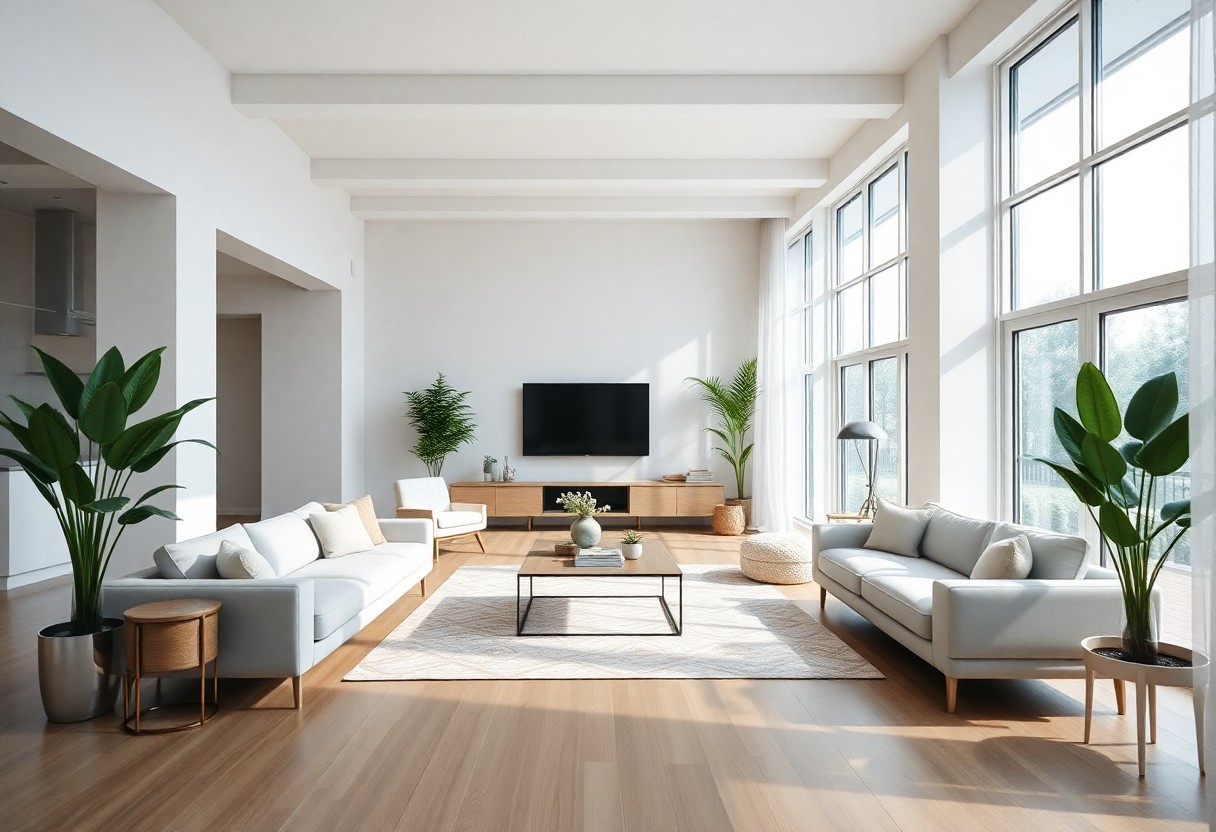
Challenges of Embracing Minimalism
For many, transitioning to a minimalist lifestyle is both empowering and daunting. You may face challenges such as resistance to change, the burden of emotional attachments to possessions, and the struggle to maintain your new lifestyle amidst a consumer-driven society. Acknowledging these difficulties is the first step in navigating your minimalism journey, allowing you to develop strategies that work for your unique circumstances.
Overcoming Emotional Attachments
Below the surface of clutter lies emotional attachments that can complicate your minimalist journey. You may find it difficult to let go of items tied to memories or relationships. To overcome this, consider keeping a small selection of meaningful items while recognizing that the memories they represent can exist independently of physical objects.
Maintaining a Minimalist Lifestyle
One of the ongoing challenges you will face is maintaining a minimalist lifestyle amidst everyday distractions and societal expectations. Simplifying your environment is not a one-time task but a continuous practice requiring intentionality and self-reflection.
And to sustain your minimalist lifestyle, you can establish routines that prioritize clarity and simplicity. Regularly evaluate what items serve you and let go of those that do not. Create a habit of mindful consumption by assessing needs versus wants, and be prepared to reassess your space periodically. By fostering an intentional mindset, you cultivate a life that aligns with your values and keeps distraction at bay, reinforcing your commitment to minimalism over time.
Real-Life Examples of Modern Minimalism
Once again, the beauty of modern minimalism can be witnessed in real-life examples that showcase its effective application in diverse home spaces. From urban apartments to spacious homes, individuals have embraced this lifestyle, enhancing their living experience without the chaos of excess clutter. These examples serve as a source of inspiration to help you visualize how modern minimalism can transform your own space.
Inspiring Case Studies
Against the backdrop of modern design, numerous case studies illustrate the impact of minimalism on homes. Here are a few standout examples:
- San Francisco Micro-Apartment: 300 square feet of space, featuring 16 storage solutions, promoting efficient living.
- Tokyo Minimalist Flat: 500 square feet, with a 50% reduction in furniture, resulting in a serene atmosphere.
- Copenhagen Eco-Friendly Home: Use of sustainable materials and open spaces, achieving a 40% decrease in energy consumption.
- New York Loft Redesign: Converted 1200 square feet into multifunctional zones, enhancing usability and aesthetics.
Combining Minimalism with Personal Style
Behind the concept of minimalism lies the opportunity to blend it with your personal style, creating a unique space that reflects who you are. This fusion allows you to maintain the clean lines and open spaces of minimalism while incorporating elements that resonate with your tastes.
In addition to the minimalist principles of simplicity, it’s necessary to infuse your personality into your home. Choose a few statement pieces or artwork that define your character, and opt for a color palette that resonates with your emotional well-being. By thoughtfully selecting items that carry personal significance and are functional, you preserve the essence of minimalism while ensuring your space feels authentically yours.
Conclusion
Upon reflecting on modern minimalism, you can see how this design philosophy redefines home spaces by prioritizing simplicity and functionality. By embracing minimalism, you create a serene environment that promotes clarity and enhances your overall well-being. It’s about more than just aesthetics; it invites you to evaluate your belongings and cultivate a lifestyle centered on what truly matters. As you implement these principles in your own home, you’ll discover the profound impact a minimalist approach can have on your daily life, fostering a sense of peace and purpose in your living space.