

Fumigation – Essential Steps for a Pest-Free Home
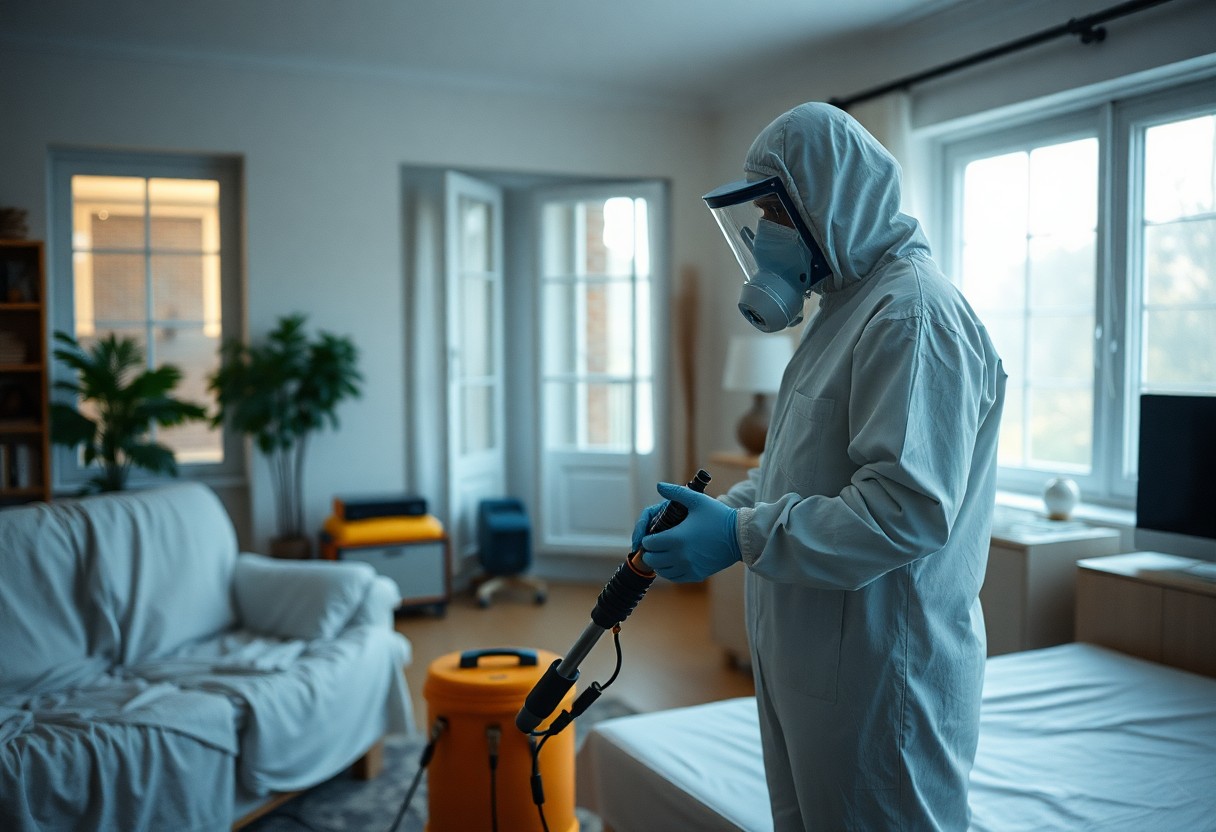
With relentless pests encroaching on your living space, fumigation can be an effective method to restore peace in your home. Understanding the vital steps involved in the fumigation process will empower you to take control of your pest problems while ensuring the safety of your family and property. This guide will walk you through each vital stage, from preparation to post-fumigation care, so you can make informed decisions and achieve the pest-free environment you deserve.
Understanding Fumigation
Before entering into the process, it’s vital to grasp what fumigation entails and how it can significantly improve your home’s pest control strategy. Fumigation is a comprehensive pest management technique that involves the use of gaseous substances to eradicate pests from enclosed spaces, ensuring thorough treatment by penetrating every crevice and hiding spot.
What is Fumigation
Understanding fumigation begins with recognizing it as a targeted approach to eliminate pests and their eggs effectively. This method involves sealing off an area and introducing a fumigant, which is a chemical in a gaseous state that infiltrates the environment and treats infestations thoroughly.
Types of Fumigants and Their Applications
Before choosing a fumigant, you should be aware of the various types available and their specific applications. Each has its unique properties designed to tackle different pests or environments:
| Type of Fumigant | Application |
|---|---|
| Methyl Bromide | Used mainly for soil and shipping containers |
| Phosphine | Commonly used in warehouses and grain storage |
| Sulfuryl Fluoride | Effective for termites and structural fumigation |
| Carbon Dioxide | Utilized in low-temperature environments for pests |
| Nitrogen | Used as a non-toxic option for organic fumigation |
Thou must consider the specific needs of your situation when selecting a fumigant, as it can determine the effectiveness of the treatment.
This section examines deeper into types of fumigants, focusing on selection based on pest types and surroundings. Your choice will directly affect the outcome and safety of your home’s environment:
| Fumigant | Target Pest |
|---|---|
| Methyl Bromide | Insects, rodents, and fungi |
| Phosphine | Stored grain pests |
| Sulfuryl Fluoride | Termites and wood-boring insects |
| Carbon Dioxide | Bed bugs and other pests |
| Nitrogen | Various pest species |
Thou must weigh the advantages and limitations of each fumigant before proceeding with your pest control strategy.
Pre-Fumigation Assessment
You should start your pest control process with a thorough pre-fumigation assessment. This step helps identify the extent of the infestation and enables you to tailor your fumigation strategy effectively. By understanding the problem better, you can ensure maximum efficiency and safety during the treatment process, ultimately leading to a more pest-free environment in your home.
Identifying Pest Problems
About identifying pest problems, it’s necessary to recognize the signs of infestations, such as droppings, gnaw marks, or physical sightings of pests. Take note of areas in your home that may be particularly affected, like kitchens, basements, or attics. The more thorough your inspection, the more accurate the results will be, paving the way for effective solutions.
Property Inspection and Documentation
Along with identifying pest problems, conducting a property inspection and documentation is vital for comprehensive pest management. Assess all potential entry points, nesting areas, and food sources that pests may be utilizing within your home.
Further, meticulous documentation of your findings will assist pest control professionals in designing an effective treatment plan. Make note of any specific areas infested, the types of pests observed, and any relevant environmental conditions. This documentation provides a clear overview, ensuring that all necessary measures are taken to address your pest issues efficiently.
Preparation Steps
Assuming you’ve decided to fumigate your home, proper preparation is vital for a successful treatment. This involves a thorough cleaning of your space, the removal of items that may interfere with the fumigation process, and planning for the duration of your absence. By taking these steps seriously, you set the stage for effective pest elimination and a quicker return to your pest-free home.
Securing the Property
An important part of preparation is securing the property. You need to ensure all windows, doors, and vents are tightly sealed to maximize the effectiveness of the fumigation process. This means checking for any gaps or openings where the fumigants could escape, as well as securing any outdoor areas to prevent unintended exposure to people or pets.
Removing Sensitive Items and Food
Property owners should be diligent about removing sensitive items and food from the areas being treated. This includes personal items such as medications, cosmetics, and jewelry, as well as all food products, including pet food. The fumigants used can be harmful to these items, so taking them out of the treated space is crucial.
Due to the potential adverse effects of fumigants on food and sensitive personal items, it’s important to thoroughly inspect your home for anything that needs to be relocated. Move all food to a secure location outside your home, ensuring that nothing is left behind. Additionally, items like plants, artwork, and electronics should be taken to prevent any damage or contamination. By investing time in this step, you ensure a safer environment for yourself and your belongings.
Safety Measures
Once again, safeguarding your health and safety during fumigation is imperative. Ensure that you vacate the premises along with your pets, as the fumigants can be harmful to both humans and animals. Proper ventilation is critical after the treatment is completed, so await confirmation from the pest control professionals that it is safe to return. Always adhere to the recommended safety guidelines provided by the fumigation service to ensure a successful and safe process.
Professional Requirements and Certifications
Requirements for fumigation professionals vary by region but generally include specific training, licensing, and certifications. Ensure the company you hire is accredited and follows local regulations. Certified professionals possess the expertise to apply pesticides safely and effectively, ensuring the best outcome for your pest control needs.
Protection of Adjacent Properties
Professional fumigation services emphasize the importance of protecting adjacent properties during treatment. Proper planning and communication with neighboring residences can prevent unintended exposure to fumigants, ensuring compliance with safety regulations.
Adjacent properties should be considered during the fumigation process, as chemicals can drift due to environmental factors like wind. Pest control operators often implement buffer zones and barriers to mitigate any potential risks. Keeping neighbors informed about the schedule and nature of the fumigation can foster a cooperative approach and prevent concerns, ensuring a smooth process for everyone involved.
The Fumigation Process
Now that you’ve decided to fumigate, understanding the entire fumigation process is necessary to ensure a successful treatment. This method involves sealing your home with a gas that penetrates even the most inaccessible areas, targeting pests at their source. By following the proper protocols, you can effectively eliminate infestations and safeguard your living space, returning it to a pest-free environment.
Application Procedures
Fumigation begins with a thorough inspection of your property to identify pest hotspots. Then, all windows and doors are sealed, and a specialized gas is released into the enclosed space. This gas permeates all surfaces, ensuring any hidden pests are eradicated. It is necessary to follow your pest control professional’s guidance throughout this stage to achieve the best results.
Duration and Monitoring
Above all, the duration of the fumigation process typically spans 1 to 5 days, depending on the extent of the infestation and the type of gas used. Post-fumigation, continuous monitoring is critical to ensure complete eradication and prevent future infestations.
Due to the nature of the fumigation process, it’s important to monitor your home closely after treatment. This can include checking for any signs of pest activity or reinfestation in the days and weeks following. Keeping a record of these observations will help you communicate effectively with your pest control professional, ensuring that your home remains pest-free long after the fumigation is complete.
Post-Fumigation Protocol
Many homeowners undervalue the importance of following a post-fumigation protocol. After the fumigation process, it’s vital to adhere to safety guidelines to ensure your space is free of harmful residual effects. This protocol includes proper ventilation, re-entry guidelines, and verification steps to confirm that your home is safe for you and your family.
Ventilation and Re-entry Guidelines
To safely re-enter your home after fumigation, proper ventilation is necessary. Open windows and doors to allow fresh air to circulate throughout your living space, helping to disperse any residual chemicals. It’s recommended to ventilate the area for at least several hours, ensuring that the air inside is safe and comfortable before you return.
Safety Verification Steps
Post-fumigation, you should perform safety verification steps to ensure your environment is free from toxic exposure. This involves checking for any lingering odors or chemical residues and confirming that your home has been adequately aired out before reoccupying.
Ventilation is a key aspect of the safety verification process. After fumigation, you should inspect all rooms for any unusual smells and verify that no pest control products are visible. Additionally, use a safety monitor or air quality test to detect any harmful substances. Ensuring your home is safe will provide peace of mind and a comfortable environment for you and your loved ones.
Final Considerations
Your approach to fumigation should be thorough and well-planned to ensure effectiveness and safety. After completing the process, maintain a clean environment to deter future pest infestations. Regular inspections and preventive measures, such as sealing entry points and proper waste disposal, are vital in protecting your home. Additionally, always consult with professionals if you suspect a severe infestation or if you have concerns regarding chemical exposure. By staying informed and proactive, you can enjoy a pest-free living space for you and your family.