

Sustainable Fumigation Methods for Eco-Friendly Homes
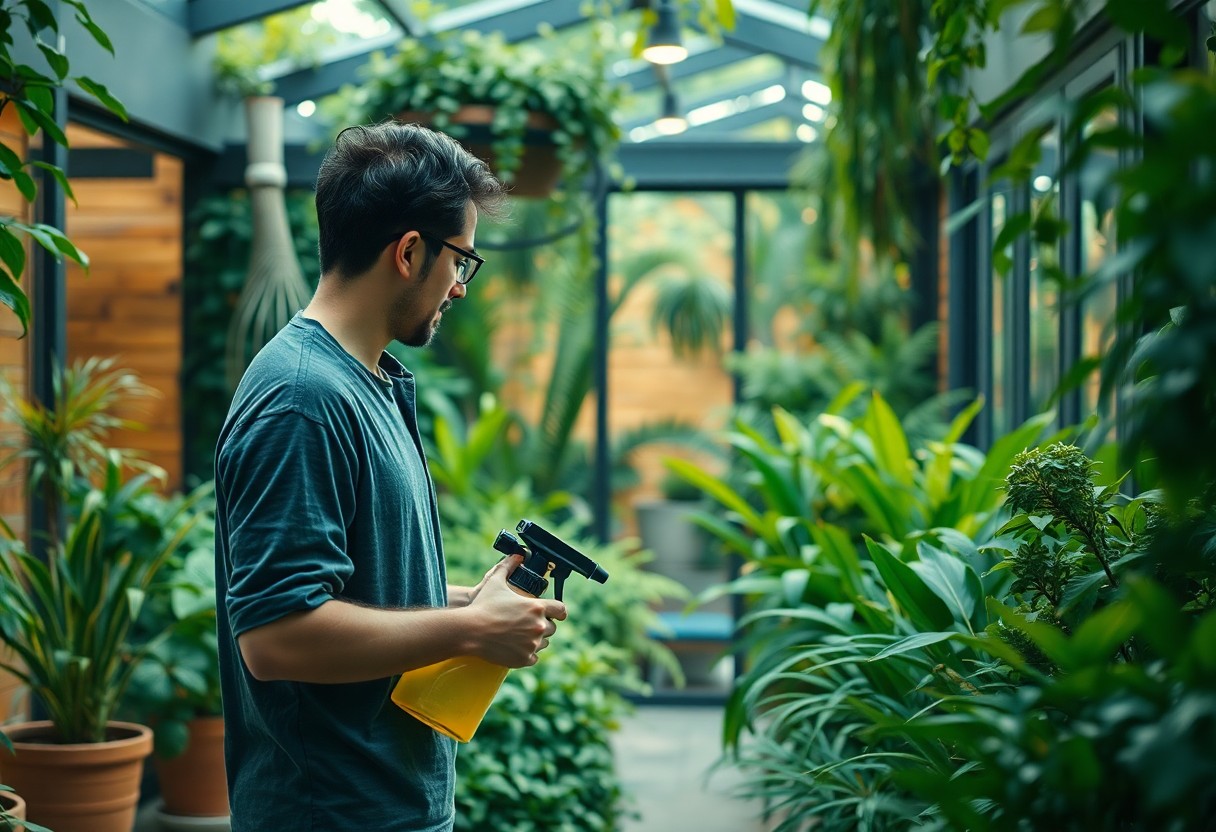
Eco-friendly fumigation methods are crucial for maintaining a healthy living environment while effectively managing pests. By choosing sustainable approaches, you can protect your home from infestations without compromising your family’s well-being or the planet’s health. In this blog post, you will discover various eco-friendly fumigation techniques that minimize harmful chemicals and embrace natural solutions, ensuring your home remains a safe haven for you and your loved ones. Dive into these innovative practices and learn how to create a pest-free home that aligns with your values.
Understanding Fumigation Basics
To effectively combat pests in your home, it’s important to understand the basics of fumigation. This process involves using gas or vapors to eliminate rodents, insects, and other unwanted pests. Typically performed within a sealed environment, fumigation allows the active ingredients to permeate various surfaces and target pests that conventional methods may miss. By gaining knowledge about how fumigation works, you can make informed choices when considering pest control options for a healthier living space.
Traditional vs. Sustainable Methods
Against traditional methods, sustainable fumigation techniques prioritize eco-friendliness while maintaining effectiveness. Traditional fumigants often contain harsh chemicals that can negatively impact your health and the environment. In contrast, sustainable methods utilize natural or less harmful substances, integrating practices that protect both your home and the ecosystems surrounding you. Opting for these alternatives can lead to safer and more responsible pest control, aligning with your commitment to environmental stewardship.
Environmental Impact Assessment
Among the various considerations when choosing a fumigation method, the environmental impact assessment plays a vital role. Understanding the potential effects on air, water, and soil quality is necessary in determining which pest control strategy to implement. An environmental impact assessment evaluates how your chosen method will affect the surroundings, including benefits and drawbacks. By conducting these assessments, you can select a fumigation approach that minimizes ecological harm.
Plus, assessing environmental impact ensures you stay informed about the long-term consequences of pest control methods on your home and local ecosystem. This evaluation can foster a better understanding of the balance between effective pest management and the preservation of natural habitats. By choosing sustainable fumigation practices, you contribute to a healthier environment, not just for yourself but for future generations as well.
Natural Fumigation Solutions
Any homeowner seeking eco-friendly alternatives can explore natural fumigation solutions, which effectively eliminate pests while minimizing environmental impact. These methods often utilize ingredients readily found in nature, allowing you to maintain a safe and healthy living space. From botanical extracts to necessary oils, you can select options that suit your preferences and values.
Botanical-Based Treatments
One popular choice among eco-conscious individuals is botanical-based treatments, which harness the potent properties of plants to combat pests. Ingredients like neem oil and pyrethrum are derived from natural sources and can disrupt pest life cycles without harming beneficial insects. By choosing these treatments, you contribute to a healthier ecosystem in your home.
Essential Oil Applications
For an aromatic approach to pest control, necessary oil applications offer a delightful and effective solution. Oils such as peppermint, lavender, and tea tree possess natural insect-repelling properties that can deter pests while filling your home with pleasing scents.
Consequently, incorporating necessary oils into your fumigation strategy allows you to harness nature’s arsenal against pests. You can mix oils with water and use them in a spray bottle, applying them to areas where pests tend to gather. This method not only repels unwanted visitors but also refreshes your living environment, combining pest control with pleasant fragrances. By selecting necessary oils tailored to your preferences, you create an inviting atmosphere while ensuring your home remains pest-free.
Integrated Pest Management (IPM)
Assuming you want to maintain a healthy, eco-friendly home, Integrated Pest Management (IPM) serves as a holistic approach to pest control. IPM emphasizes understanding pests within your environment, enabling you to implement strategies that prevent pest populations from growing and significantly reduces the use of harmful chemicals. By combining biological, physical, and cultural practices, you can achieve effective pest management while minimizing your ecological footprint.
Prevention Strategies
With effective prevention strategies, you can greatly reduce the likelihood of pest infestations in your home. This includes measures such as sealing cracks in foundation walls, ensuring proper sanitation practices, storing food in airtight containers, and maintaining a tidy yard to deter pests from entering your living space.
Monitoring and Assessment
At various points throughout the year, you should assess your home for signs of pest activity. Regularly checking for droppings, damaged materials, or nests can help you identify potential problems before they escalate.
Further, implementing monitoring techniques, such as sticky traps or pheromone traps, can provide valuable insights into pest populations and their behaviors. By regularly evaluating your home and keeping track of pest activities, you can make informed decisions about when to take action, setting the stage for a more successful and environmentally friendly pest management plan. This proactive approach not only addresses current issues but also helps you adapt your prevention strategies over time, ensuring lasting results.
Safe Application Techniques
For ensuring effective and safe fumigation in eco-friendly homes, it’s necessary to use techniques that minimize risk to both occupants and the environment. Proper ventilation, accurate dosage, and timing are key elements in executing fumigation processes safely. Employing appropriate protective gear and adhering to guidelines will further enhance safety, allowing you to maintain a healthy living space while tackling pest issues sustainably.
Professional Guidelines
An expert fumigator will always follow specific protocols to guarantee safety and efficiency. These guidelines often include conducting a thorough assessment of the area, using biodegradable products, and ensuring proper protective equipment is worn. By consulting with professionals, you can help ensure that your fumigation methods align with eco-friendly principles and safeguard your home environment.
DIY Implementation
Before attempting DIY fumigation, it’s vital to educate yourself about the proper methods and products. You’ll want to choose eco-friendly substances and know how to apply them safely in your space. Taking the time to research can help you avoid common mistakes and ensure that your efforts are both effective and sustainable.
Hence, educating yourself on the proper techniques for DIY fumigation is necessary for achieving positive results while minimizing ecological impact. Start by familiarizing yourself with eco-friendly products and their specific applications. Follow clear instructions, maintain a safe area for application, and ensure that your home is well-ventilated. Additionally, consider safety gear like gloves and masks to protect yourself during the process. By approaching DIY fumigation with thorough preparation and knowledge, you can confidently address pest issues without compromising your home’s eco-friendliness.
Cost-Benefit Analysis
Not all fumigation methods are created equal; evaluating their costs and benefits is necessary for making informed choices that align with your eco-friendly goals. While traditional fumigation may seem cheaper in the short term, sustainable alternatives can offer significant savings by reducing the need for repeat treatments, enhancing the health of your home environment, and promoting long-term pest control effectiveness. Balancing initial investments against future savings allows you to prioritize environmentally friendly solutions without compromising your budget.
Economic Considerations
Behind the costs associated with sustainable fumigation, consider the potential for reduced expenditures over time. While organic and non-toxic methods may have a higher upfront cost, you could save significantly by avoiding costly damages due to pest infestations and minimizing health-related expenses linked to chemical exposure. Additionally, many eco-friendly solutions emphasize preventative measures, allowing you to invest wisely in your home’s overall well-being without the burden of recurring extermination fees.
Long-term Environmental Returns
Around your home, adopting sustainable fumigation methods creates lasting benefits for the environment. By choosing eco-friendly solutions, you’re not only reducing chemical pollutants but also contributing to a healthier local ecosystem. This investment yields returns as healthier habitats lead to improved biodiversity, cleaner air, and safer surroundings for future generations. As sustainable practices become your standard, your home transforms into a model of environmental responsibility, inspiring others to follow suit.
With sustainable fumigation techniques, you’re necessaryly planting seeds for the future—both for your home and for the environment. Over time, these methods can lead to higher soil quality, increased local biodiversity, and reduced pollution levels. By eliminating harmful chemicals, you contribute to cleaner air and water resources, creating a ripple effect that enhances the well-being of your community. The long-term environmental returns foster a balanced ecosystem, allowing you to take pride in your home’s role as a steward of nature.
Regulatory Compliance
Many homeowners feel overwhelmed by the myriad of regulations surrounding sustainable practices. However, complying with local, state, and federal laws is necessary for ensuring that your fumigation methods are both effective and environmentally friendly. By staying informed about the regulations that apply to your specific area, you not only protect your home but also contribute to broader environmental goals.
Environmental Standards
For effective and sustainable fumigation, you must adhere to established environmental standards designed to minimize the impact on ecosystems. These standards cover various aspects, including chemical usage, application methods, and waste disposal. Ensuring compliance with these guidelines can help you create a safer environment for your family and community.
Certification Requirements
Below are specific certification requirements you should be aware of when choosing sustainable fumigation methods. These may include certifications for eco-friendly pest control methods and quality assurance processes that validate the effectiveness of the products used. By ensuring that the services and products you choose are properly certified, you can achieve peace of mind knowing that you are making informed and responsible choices for your home.
Considering the importance of certification, it’s wise to inquire about any credentials possessed by service providers or products you intend to use. Look for certifications from recognized organizations that indicate adherence to environmental practices and safety standards. This not only enhances the effectiveness of your fumigation efforts but also reassures you that you are contributing positively to environmental conservation. By choosing certified options, you align your pest management strategies with sustainable practices, enhancing both your home’s safety and the well-being of the planet.
Final Words
As a reminder, incorporating sustainable fumigation methods into your home care routine can significantly enhance your living environment while protecting the planet. By choosing eco-friendly alternatives, you not only safeguard your property from pests but also contribute to a healthier ecosystem. You can explore natural repellents and advanced techniques that minimize chemical use, ensuring the safety of your family and pets. Embracing these practices will lead you toward a more sustainable lifestyle, allowing you to enjoy a harmonious balance between effective pest control and environmental stewardship.