

The Rise of Sustainable Home Interiors
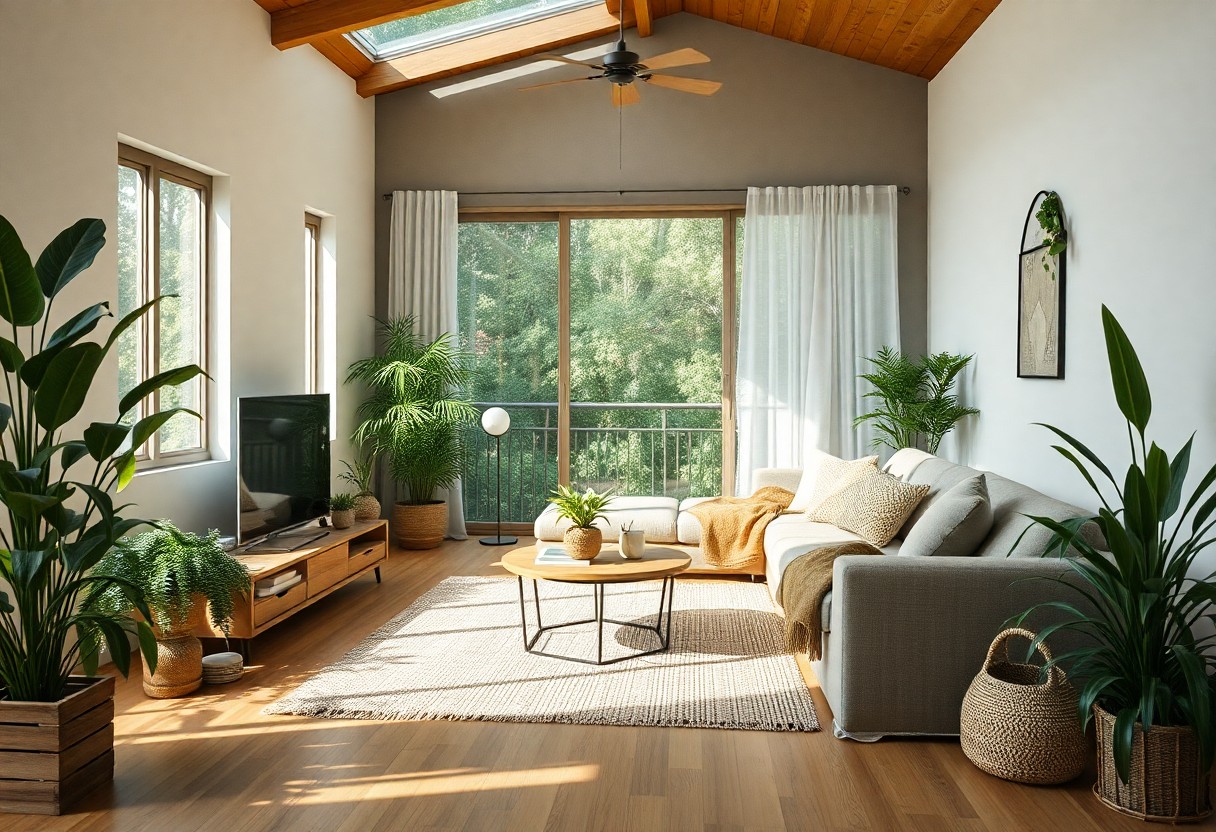
Interiors that prioritize sustainability are more than just a trend; they represent a significant shift in how you think about your living space. As you seek to create an inviting home, embracing eco-friendly materials and practices can not only enhance aesthetics but also promote well-being. This post will explore the vital elements of sustainable home interiors, offering insights on how you can make informed choices that benefit both your environment and your lifestyle.
Understanding Sustainable Materials
Your choice of materials can significantly impact the environment and your home’s aesthetic. Understanding sustainable materials involves recognizing those that minimize harm to the planet and promote healthier living spaces. These materials are often sourced responsibly, designed to last longer, and are eco-friendly in their production and disposal. By selecting sustainable options, you contribute to a greener future while enhancing your home’s interior design.
Types of Sustainable Materials
Your options for sustainable materials include a variety of choices that are not only eco-friendly but also stylish. To help you navigate, consider the following:
- Bamboo: Fast-growing and renewable
- Reclaimed wood: Repurposed for a unique look
- Recycled metal: Durable and low impact
- Organic textiles: Naturally produced fibers
- Cork: Harvested from bark without harming trees
Recognizing the benefits of these materials can help you create a home that reflects your values and style.
| Bamboo | Fast-growing and renewable resource |
| Reclaimed Wood | Unique character, reduces waste |
| Recycled Metal | Durable and environmentally friendly |
| Organic Textiles | Made without harmful chemicals |
| Cork | Sustainable and biodegradable |
Benefits of Using Sustainable Materials
Before you make your design choices, it’s important to consider the numerous benefits of using sustainable materials in your home. Such selections not only reduce your ecological footprint but also often provide better indoor air quality and long-lasting durability, requiring less frequent replacement.
Understanding the benefits of using sustainable materials can transform your home interior while promoting a healthier environment. Sustainable materials tend to emit fewer volatile organic compounds (VOCs), making your living spaces safer for you and your family. Additionally, investing in durable, eco-friendly materials can save you money over time by reducing maintenance and replacement costs. Ultimately, incorporating these materials into your home helps create a more sustainable future while enhancing your lifestyle.
Energy Efficiency in Home Design
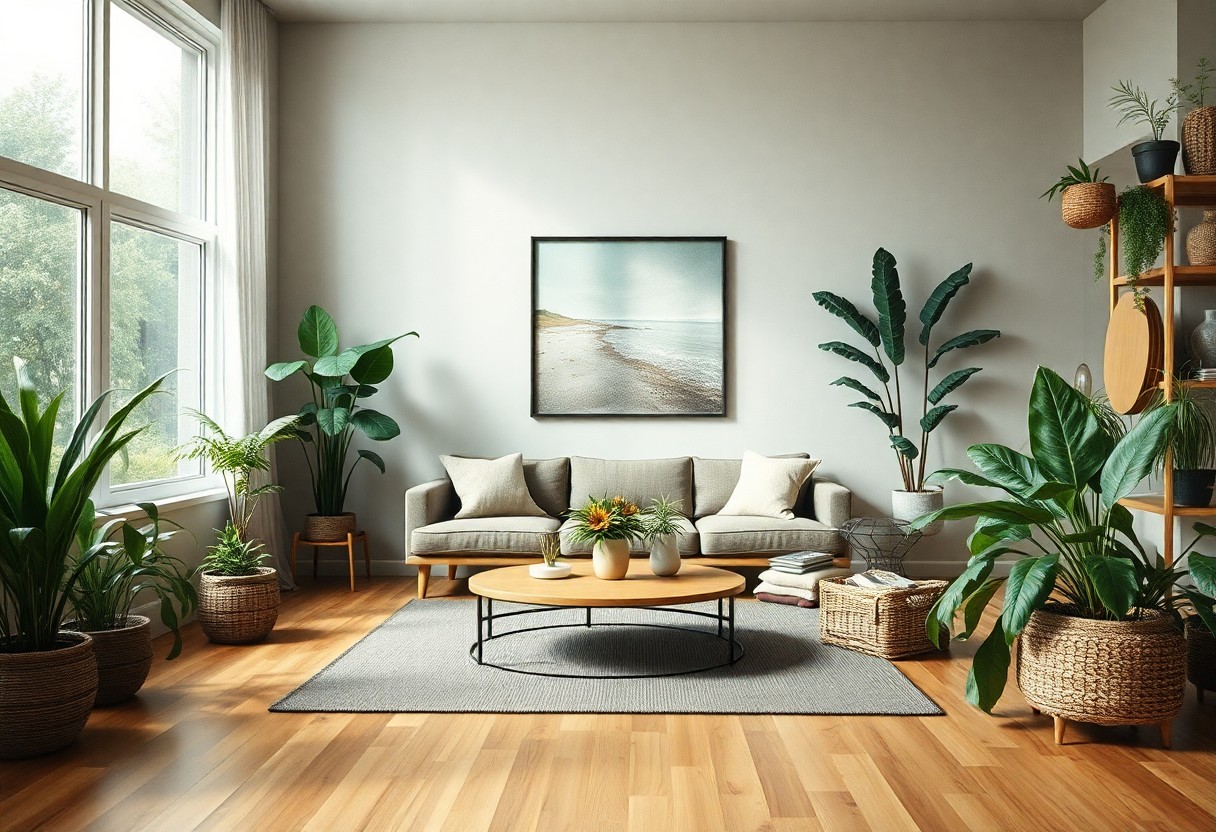
Some of the most impactful choices you can make in your home design revolve around energy efficiency. By prioritizing energy-smart features, you not only reduce your carbon footprint but also enhance the overall comfort and functionality of your living space. Incorporating energy-efficient appliances, quality insulation, and well-placed windows can transform your home into a more sustainable sanctuary, optimizing your energy usage while reducing monthly bills.
Smart Technology Integration
Energy-efficient homes benefit greatly from smart technology integration. By utilizing smart thermostats, energy monitoring systems, and automated lighting, you can manage your energy consumption more effectively. These technologies allow you to set schedules and monitor usage patterns, ensuring your home remains comfortable while minimizing energy waste, ultimately saving you money and reducing your environmental impact.
Passive Solar Design
For homeowners looking to harness the sun’s energy, passive solar design is an exceptional approach. This design strategy involves positioning your home to maximize natural light and warmth from sunlight, using design elements like large windows, thermal mass materials, and strategic landscaping. By effectively utilizing these tactics, you can create a naturally comfortable environment, significantly reducing reliance on artificial heating and cooling systems.
Integration of passive solar design principles ensures that your home’s layout takes full advantage of sunlight throughout the day. By orienting your home towards the south and incorporating overhangs to control direct sunlight, you can naturally regulate indoor temperatures. This approach allows for optimal heat gain in winter while minimizing overheating during summer months, enhancing your living experience without depending heavily on energy-consuming climate control systems.
Biophilic Design Principles
One of the most transformative concepts in sustainable home interiors is biophilic design, which seeks to strengthen your connection to nature within your living spaces. By integrating natural elements and patterns into your home, you promote emotional well-being and create a harmonious environment that reflects the beauty of the outside world.
Incorporating Nature into Interiors
Around your home, you can bring nature indoors through various elements such as natural light, water features, and indoor plants. Utilizing materials like wood, stone, and organic fabrics can also enhance a sense of connection with the environment, allowing you to create calming spaces that resonate with your love for nature.
Health Benefits of Biophilic Design
Between the soothing effects of natural elements and the psychological uplift that greenery brings, biophilic design significantly impacts your health. Implementing these principles into your home can lead to reduced stress, increased focus, and enhanced overall well-being by fostering a tranquil atmosphere that nurtures your spirit.
Into your space, bringing in elements of nature can lower cortisol levels and improve mood, making it beneficial for mental health. Studies have shown that exposure to natural settings can enhance cognitive function and creativity, aiding productivity in both work and relaxation environments. By choosing to incorporate biophilic principles, you not only elevate your home’s aesthetic but also invest in your long-term health and happiness.
The Role of Color and Textures
After embracing sustainability in your home interiors, you may begin to notice how color and texture contribute to a harmonious and inviting environment. Thoughtful choices in color schemes and material textures not only enhance the visual appeal of your space but can also influence your mood and well-being. By integrating earthy tones, natural fibers, and organic patterns, you create a serene atmosphere that reflects your commitment to eco-friendly living, allowing your home to feel grounded and stylish simultaneously.
Sustainable Paint and Finishes
Between the myriad of options available today, selecting sustainable paint and finishes can significantly reduce your environmental footprint. Look for products that are low in volatile organic compounds (VOCs) and made from natural resources. These eco-friendly paints not only improve air quality in your home but also come in a variety of beautiful colors, ensuring your walls reflect your style without compromising sustainability.
Textiles Made from Recycled Materials
Around your living spaces, textiles made from recycled materials offer a sustainable yet stylish alternative to conventional fabrics. These products not only help reduce waste in landfills but also provide unique textures and patterns. By choosing such textiles for your furniture and décor, you demonstrate a commitment to innovative practices, turning what was once discarded into beautiful, functional pieces.
Due to the increasing demand for sustainable fashion and home goods, many brands now offer textiles crafted from recycled materials like plastic bottles or discarded fabrics. By opting for these innovative products, you contribute to a circular economy that minimizes resource extraction and waste while enjoying an array of chic designs. Not only do these textiles provide durability, but they also tell a story of transformation, turning past waste into beautiful, contemporary items for your home.
Sustainable Furniture Choices
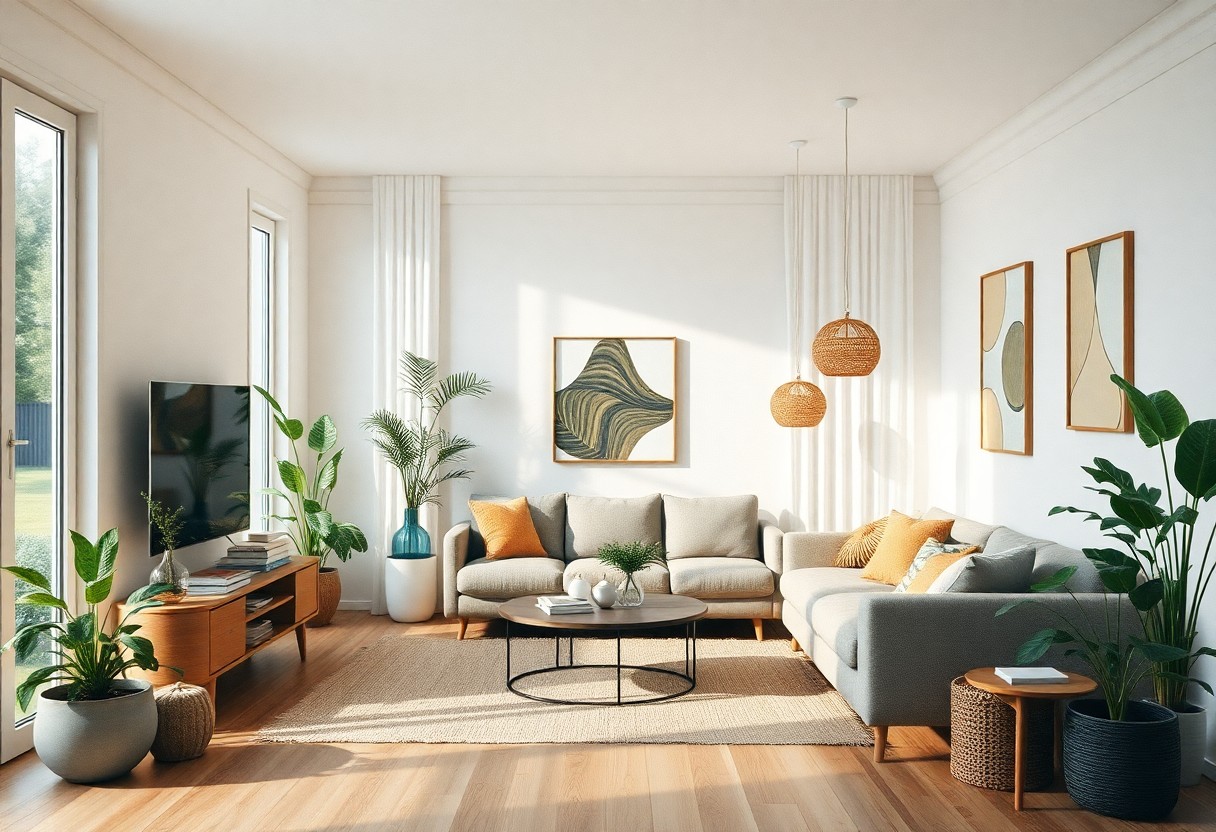
For a truly eco-conscious home, your furniture selections play a significant role. Opting for sustainable furniture choices not only minimizes your environmental footprint but also adds unique character to your space. Look for items made from renewable resources, reclaimed materials, or those that follow ethical manufacturing practices, ensuring that your living area reflects your values and commitment to sustainability.
Eco-Friendly Furniture Brands
Choices in sustainable furniture are plentiful, with a growing number of brands committed to environmentally responsible practices. Consider brands that prioritize sustainable sourcing, use non-toxic finishes, and engage in fair labor practices. By choosing eco-friendly furniture brands, you support the movement toward greener living while enhancing the aesthetic of your interior spaces.
Upcycling and Repurposing
Beside seeking new, sustainable furnishings, you can also transform existing pieces through upcycling and repurposing. This creative approach allows you to give older or unused furniture a new lease on life, making it both functional and stylish while reducing waste and resource consumption.
This method encourages you to tap into your creativity by rethinking how furniture can be used. Whether it’s refinishing an old desk, converting a ladder into a bookshelf, or turning wooden pallets into a coffee table, the possibilities are endless. Embracing upcycling not only personalizes your space but also tells a story of sustainability and innovation that reflects your values and commitment to eco-friendly living.
Case Studies of Sustainable Homes
Once again, the trend of sustainable living is showcased through compelling case studies of homes that prioritize eco-friendly practices. Here are a few notable examples that illustrate the potential of green design:
- 1. The Edge House, Netherlands – achieves a 90% reduction in energy consumption compared to traditional homes.
- 2. The Passive House, Germany – utilizes advanced insulation, achieving an annual energy consumption of just 15 kWh/m2.
- 3. The Solar Umbrella House, Australia – integrates solar panels generating 100% of its energy needs.
- 4. The Straw Bale Cottage, USA – employs sustainable materials reducing carbon footprint by 50%.
- 5. The Earthship, New Mexico – features a unique design that uses recycled materials and is self-sustaining.
Innovations in Sustainable Home Design
An impressive range of innovations has emerged in sustainable home design, with architects and homeowners alike pushing the boundaries of eco-friendly living. These advancements include smart home technologies for energy efficiency, green roofs that provide natural insulation, and rainwater harvesting systems that alleviate water scarcity. By incorporating these innovative solutions into your home, you can enhance its sustainability while also reaping long-term financial benefits.
Lessons Learned from Sustainable Homeowners
For many who have embraced sustainable living, the experiences of homeowners adopting eco-friendly practices hold valuable insights. You can learn from these journeys to better inform your own choices in sustainable home design.
Sustainable homeowners often emphasize the importance of thorough research before making significant decisions. You should assess local resources, materials, and techniques that align with your sustainability goals. Additionally, many have noted the benefits of engaging with local communities to share knowledge and practices, which can inspire creativity and foster connections. By listening to the experiences of others, you can make informed decisions and avoid common pitfalls in your sustainable home journey.
Final Words
With these considerations in mind, you can take significant steps towards creating a sustainable home interior that reflects your values and enhances your living environment. By choosing eco-friendly materials, supporting local artisans, and embracing energy-efficient designs, you contribute to a healthier planet while enjoying the benefits of stylish, functional spaces. As awareness around sustainability continues to rise, your choices can inspire others and promote a shift towards more responsible living, making a meaningful impact both personally and globally.