
Travel Photography Tips for Capturing Stunning Moments
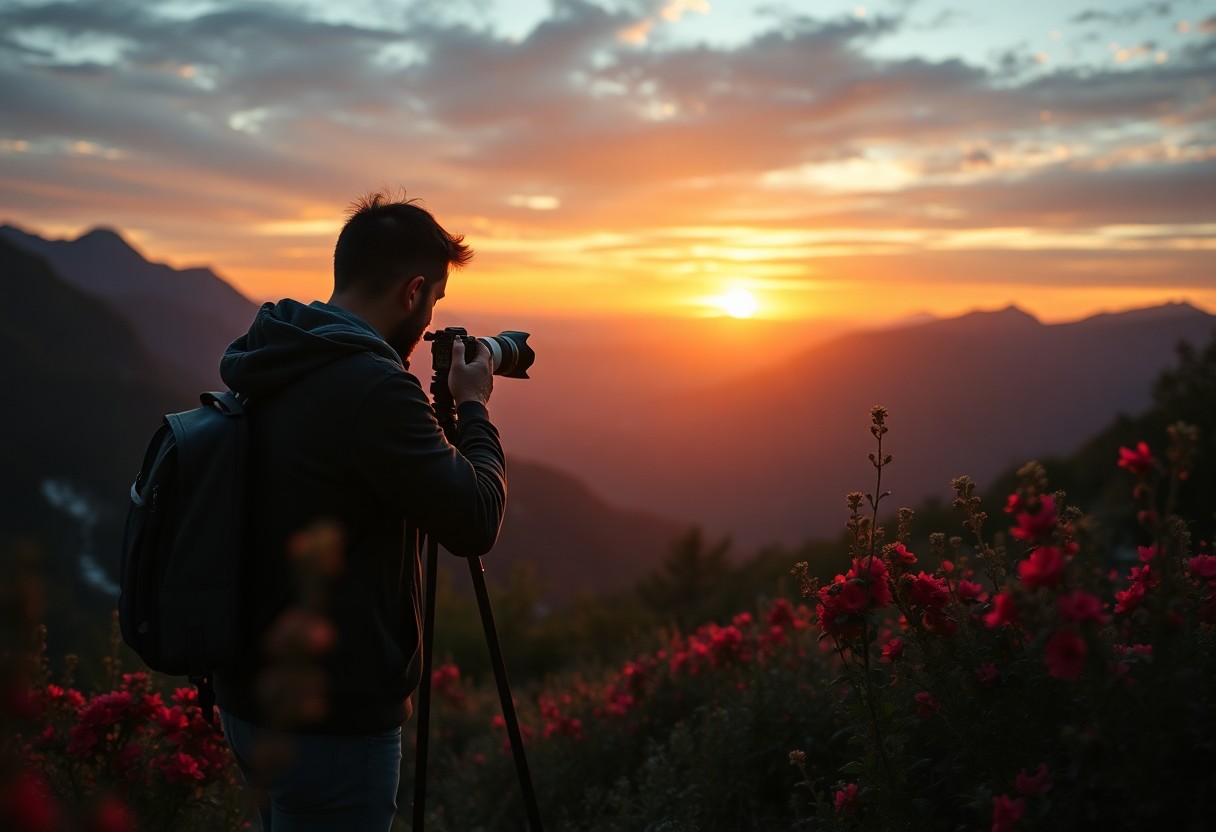
With the right techniques and a keen eye, you can elevate your travel photography skills and capture breathtaking moments during your adventures. Whether you’re exploring vibrant cityscapes or serene natural landscapes, understanding important tips can enhance your photographic storytelling. In this post, you’ll discover practical advice to help you take striking images that evoke the emotions and beauty of your travels, ensuring you have memories to cherish for a lifetime.
Planning Your Shots
For successful travel photography, planning your shots ahead of time can make a significant difference. Consider the story you want to tell with your images, and outline key highlights or landmarks. Use a combination of directories, maps, and even local insights to prioritize what you want to capture. This foresight not only saves time but also enhances the impact of your photographs.
Researching Locations
Shots taken in well-researched locations provide a deeper context and aesthetic appeal. Before you travel, dedicate time to explore potential sites on platforms like Instagram or photography blogs. Look for hidden gems that might not be on the typical tourist itinerary. Understanding the area’s culture and history can help you anticipate unique opportunities for compelling photographs.
Timing and Lighting
Your choice of timing and lighting can dramatically affect the quality of your shots. Early morning and late afternoon often offer softer light for breathtaking landscapes and vibrant colors, resulting in dynamic compositions. Moreover, the golden hour—shortly after sunrise and before sunset—adds a magical glow and can transform ordinary scenes into extraordinary captures.
In addition to the golden hour, consider how changing weather conditions might affect lighting. Overcast days can help soften harsh shadows, while dramatic skies can add depth and mood to your images. Don’t hesitate to adjust your shooting schedule to take advantage of these fleeting moments, as the right light can elevate the storytelling aspect of your photographs.
1. Use natural light for vibrant, captivating images.
2. Experiment with different angles for unique perspectives.
3. Capture local culture through candid street photography.
4. Plan your shots around optimal times for lighting.
5. Keep your camera accessible to seize fleeting moments.
6. Edit photos to enhance mood and storytelling elements.
Essential Gear
Some of the most stunning travel photographs are made possible by the right gear. Investing in quality equipment helps you capture vibrant, detailed images in various environments. You’ll want to ensure that your camera and accessories can withstand the rigors of travel while still delivering excellent performance. This section will guide you through the necessarys that can enhance your photography experience.
Camera Equipment
After selecting a camera, consider what type suits your style best, whether it’s a DSLR, mirrorless, or even a high-quality smartphone. Each option comes with unique advantages, so assess your needs based on portability, lens options, and image quality. Don’t forget to pack an extra battery and memory cards to ensure you never miss an important moment.
Accessories for Travel
Travel often calls for specific accessories that can enhance your photography experience and make your gear more versatile.
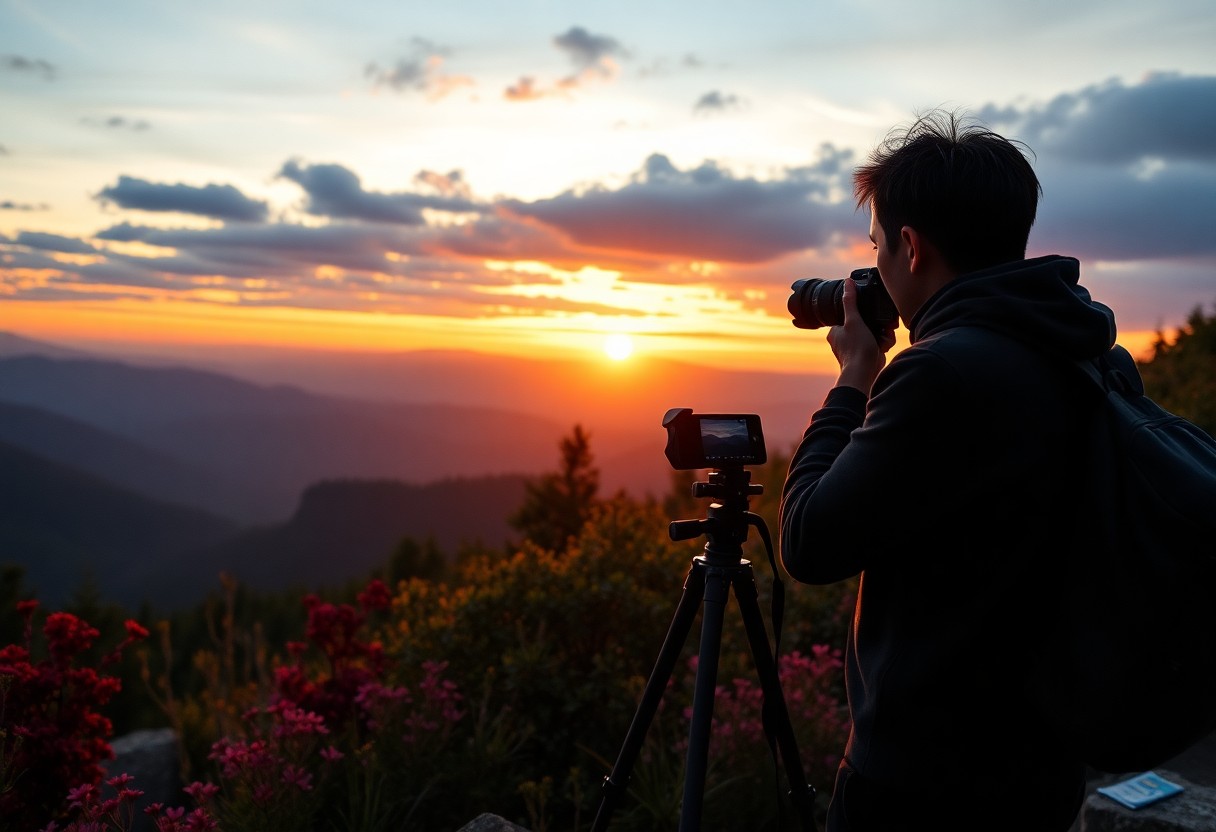
Another necessary accessory is a sturdy tripod, which can stabilize your shots for long exposures or low-light conditions. A portable lens cleaning kit is also vital to keep your lenses free of dust and smudges, ensuring crystal-clear images. Additionally, having a lightweight camera bag will streamline your excursions, allowing you to carry your gear comfortably while keeping everything organized. These accessories not only complement your camera but significantly elevate your travel photography game.
Composition Techniques
All great travel photographs hinge on solid composition techniques that can elevate your images from ordinary to extraordinary. By understanding how to frame your subject, utilize light, and connect with your surroundings, you can create captivating visuals that tell a story. Mastering composition will not only enhance your photography skills but also allow you to express your unique perspective of the world.
Rule of Thirds
Rule of thirds is a vital guideline in photography that helps you create well-balanced and engaging compositions. By dividing your frame into a 3×3 grid, you can position your main subject along the intersecting lines or at one of the grid’s points. This technique draws the viewer’s eye and generates a more dynamic image, allowing for better storytelling in your travel photos.
Leading Lines
An effective way to guide the viewer’s eye through your photograph is by employing leading lines. These can be natural elements like roads, rivers, or pathways that draw attention to your subject or create a sense of depth in your image. By incorporating these lines into your composition, you enhance the overall visual journey and invite viewers to explore your photograph more intimately.
Considering the environment around you can greatly enhance your use of leading lines. Look for elements that can naturally guide the viewer’s gaze towards your main subject. Curved roads, bridges, or even the edges of a forest can effectively draw attention and lead the eye into the frame, creating depth and dimension. This technique not only directs focus but also adds a storytelling aspect to your images, inviting the audience to launch on a visual adventure along the lines you choose.
Capturing Emotion and Story
Not every photo will tell a story, but those that do can evoke powerful emotions. To capture genuine moments, focus on the experiences and connections between people rather than merely on the scenery. Look for interactions that reveal the essence of a culture, ensuring your images resonate long after you’ve left the destination.
Candid Moments
Emotion often shines brightest in candid moments. These spontaneous captures convey authenticity and reveal the true feelings of your subjects. Keep your camera ready and observe your surroundings; the most profound expressions can occur in the blink of an eye.
Portraits and Local Culture
By engaging with your subjects and their environment, you can create compelling portraits that reflect the richness of local culture. These photographs not only capture faces but also tell stories about traditions, lifestyles, and emotions unique to that place.
Moments spent interacting with locals can lead to extraordinary portraits that encapsulate the spirit of a community. Approach subjects with respect, and invite them to share their stories, allowing you to capture their culture authentically through your lens. Invest time in conversation, and your images will reflect genuine connections that celebrate the essence of your travels.
Post-Processing Tips
Keep your images looking their best through effective post-processing. Utilize these important tips to enhance your travel photography:
- Adjust exposure and contrast for dynamic depth.
- Crop strategically to improve composition.
- Use sharpening tools to highlight details.
- Consider color correction for accurate representation.
- Apply filters judiciously to enhance mood without overdoing it.
After mastering these techniques, you can significantly elevate the quality of your travel photos.
Basic Editing Techniques
Around the basics, take advantage of editing software to make fundamental adjustments. Start by correcting exposure and white balance, as these elements lay the foundation for a well-balanced image. Learn to crop effectively to draw attention to your subject while maintaining a visually pleasing aspect ratio.
Enhancing Your Images
Against a backdrop of digital photography, enhancing your images can be a straightforward yet impactful process. Focus on subtle adjustments that will elevate your travel photos while remaining authentic to the experience. You can achieve harmonious results by employing shadows and highlights, ensuring you don’t lose important details.
Techniques like selective color adjustments can also add vibrancy without overwhelming the viewer. Play with saturation to enhance colors and create a striking visual narrative of your travels. Moreover, utilizing noise reduction ensures that your images maintain a clean, professional look, particularly when shooting in low-light conditions.
Ethical Considerations
Your travel photography journey should always incorporate a strong sense of ethics. Being mindful of your impact on the places and people you photograph ensures that you respect cultures, communities, and the environment. Embracing ethical practices not only elevates your work but also fosters positive relationships between travelers and local residents. Prioritizing ethical considerations allows you to create stunning images while being a responsible global citizen.
Respecting Privacy
With the proliferation of cameras, respecting people’s privacy has become increasingly important. Always ask for permission before capturing close-up images of individuals, especially in private settings or sensitive situations. This simple act not only shows respect but also enhances the authenticity of your photography by establishing trust between you and your subjects.
Cultural Sensitivity
Across the world, cultures exhibit unique customs, traditions, and beliefs that deserve your respect. Being culturally sensitive means understanding and honoring local practices, especially in your photography. This not only avoids potential misunderstandings but also enriches your experience as a traveler and photographer.
Further, practicing cultural sensitivity involves learning about local customs before you arrive at a destination. Engage with local communities, seek to understand their values, and approach situations with an open mind. This awareness will help you navigate interactions respectfully, allowing you to capture authentic moments without imposing or intruding. By honoring cultural differences, you can create beautiful images that resonate with the essence of your subjects and their environment.
Summing up
Considering all points, engaging in travel photography requires a blend of planning and spontaneity to capture stunning moments. You should familiarize yourself with your equipment, scout locations beforehand, and be ready to adapt to changing conditions. Utilize natural light to enhance your images, and always seek unique perspectives to tell a compelling story. By being mindful of these tips, you can enhance your travel photography skills and create memories that resonate long after your journey ends.