


Posted on April 21, 2025
Travel Photography Tips for Capturing Stunning Moments
With the right techniques and a keen eye, you can elevate your travel photography skills and capture breathtaking moments during your adventures. Whether you’re exploring vibrant cityscapes or serene natural landscapes, understanding important tips can enhance your photographic storytelling. In this post, you’ll discover practical advice to help you take striking images that evoke the emotions and beauty of your travels, ensuring you have memories to cherish for a lifetime.
Planning Your Shots
For successful travel photography, planning your shots ahead of time can make a significant difference. Consider the story you want to tell with your images, and outline key highlights or landmarks. Use a combination of directories, maps, and even local insights to prioritize what you want to capture. This foresight not only saves time but also enhances the impact of your photographs.
Researching Locations
Shots taken in well-researched locations provide a deeper context and aesthetic appeal. Before you travel, dedicate time to explore potential sites on platforms like Instagram or photography blogs. Look for hidden gems that might not be on the typical tourist itinerary. Understanding the area’s culture and history can help you anticipate unique opportunities for compelling photographs.
Timing and Lighting
Your choice of timing and lighting can dramatically affect the quality of your shots. Early morning and late afternoon often offer softer light for breathtaking landscapes and vibrant colors, resulting in dynamic compositions. Moreover, the golden hour—shortly after sunrise and before sunset—adds a magical glow and can transform ordinary scenes into extraordinary captures.
In addition to the golden hour, consider how changing weather conditions might affect lighting. Overcast days can help soften harsh shadows, while dramatic skies can add depth and mood to your images. Don’t hesitate to adjust your shooting schedule to take advantage of these fleeting moments, as the right light can elevate the storytelling aspect of your photographs.
1. Use natural light for vibrant, captivating images.
2. Experiment with different angles for unique perspectives.
3. Capture local culture through candid street photography.
4. Plan your shots around optimal times for lighting.
5. Keep your camera accessible to seize fleeting moments.
6. Edit photos to enhance mood and storytelling elements.
Essential Gear
Some of the most stunning travel photographs are made possible by the right gear. Investing in quality equipment helps you capture vibrant, detailed images in various environments. You’ll want to ensure that your camera and accessories can withstand the rigors of travel while still delivering excellent performance. This section will guide you through the necessarys that can enhance your photography experience.
Camera Equipment
After selecting a camera, consider what type suits your style best, whether it’s a DSLR, mirrorless, or even a high-quality smartphone. Each option comes with unique advantages, so assess your needs based on portability, lens options, and image quality. Don’t forget to pack an extra battery and memory cards to ensure you never miss an important moment.
Accessories for Travel
Travel often calls for specific accessories that can enhance your photography experience and make your gear more versatile.
Another necessary accessory is a sturdy tripod, which can stabilize your shots for long exposures or low-light conditions. A portable lens cleaning kit is also vital to keep your lenses free of dust and smudges, ensuring crystal-clear images. Additionally, having a lightweight camera bag will streamline your excursions, allowing you to carry your gear comfortably while keeping everything organized. These accessories not only complement your camera but significantly elevate your travel photography game.
Composition Techniques
All great travel photographs hinge on solid composition techniques that can elevate your images from ordinary to extraordinary. By understanding how to frame your subject, utilize light, and connect with your surroundings, you can create captivating visuals that tell a story. Mastering composition will not only enhance your photography skills but also allow you to express your unique perspective of the world.
Rule of Thirds
Rule of thirds is a vital guideline in photography that helps you create well-balanced and engaging compositions. By dividing your frame into a 3×3 grid, you can position your main subject along the intersecting lines or at one of the grid’s points. This technique draws the viewer’s eye and generates a more dynamic image, allowing for better storytelling in your travel photos.
Leading Lines
An effective way to guide the viewer’s eye through your photograph is by employing leading lines. These can be natural elements like roads, rivers, or pathways that draw attention to your subject or create a sense of depth in your image. By incorporating these lines into your composition, you enhance the overall visual journey and invite viewers to explore your photograph more intimately.
Considering the environment around you can greatly enhance your use of leading lines. Look for elements that can naturally guide the viewer’s gaze towards your main subject. Curved roads, bridges, or even the edges of a forest can effectively draw attention and lead the eye into the frame, creating depth and dimension. This technique not only directs focus but also adds a storytelling aspect to your images, inviting the audience to launch on a visual adventure along the lines you choose.

Capturing Emotion and Story
Not every photo will tell a story, but those that do can evoke powerful emotions. To capture genuine moments, focus on the experiences and connections between people rather than merely on the scenery. Look for interactions that reveal the essence of a culture, ensuring your images resonate long after you’ve left the destination.
Candid Moments
Emotion often shines brightest in candid moments. These spontaneous captures convey authenticity and reveal the true feelings of your subjects. Keep your camera ready and observe your surroundings; the most profound expressions can occur in the blink of an eye.
Portraits and Local Culture
By engaging with your subjects and their environment, you can create compelling portraits that reflect the richness of local culture. These photographs not only capture faces but also tell stories about traditions, lifestyles, and emotions unique to that place.
Moments spent interacting with locals can lead to extraordinary portraits that encapsulate the spirit of a community. Approach subjects with respect, and invite them to share their stories, allowing you to capture their culture authentically through your lens. Invest time in conversation, and your images will reflect genuine connections that celebrate the essence of your travels.
Post-Processing Tips
Keep your images looking their best through effective post-processing. Utilize these important tips to enhance your travel photography:
- Adjust exposure and contrast for dynamic depth.
- Crop strategically to improve composition.
- Use sharpening tools to highlight details.
- Consider color correction for accurate representation.
- Apply filters judiciously to enhance mood without overdoing it.
After mastering these techniques, you can significantly elevate the quality of your travel photos.
Basic Editing Techniques
Around the basics, take advantage of editing software to make fundamental adjustments. Start by correcting exposure and white balance, as these elements lay the foundation for a well-balanced image. Learn to crop effectively to draw attention to your subject while maintaining a visually pleasing aspect ratio.
Enhancing Your Images
Against a backdrop of digital photography, enhancing your images can be a straightforward yet impactful process. Focus on subtle adjustments that will elevate your travel photos while remaining authentic to the experience. You can achieve harmonious results by employing shadows and highlights, ensuring you don’t lose important details.
Techniques like selective color adjustments can also add vibrancy without overwhelming the viewer. Play with saturation to enhance colors and create a striking visual narrative of your travels. Moreover, utilizing noise reduction ensures that your images maintain a clean, professional look, particularly when shooting in low-light conditions.
Ethical Considerations
Your travel photography journey should always incorporate a strong sense of ethics. Being mindful of your impact on the places and people you photograph ensures that you respect cultures, communities, and the environment. Embracing ethical practices not only elevates your work but also fosters positive relationships between travelers and local residents. Prioritizing ethical considerations allows you to create stunning images while being a responsible global citizen.
Respecting Privacy
With the proliferation of cameras, respecting people’s privacy has become increasingly important. Always ask for permission before capturing close-up images of individuals, especially in private settings or sensitive situations. This simple act not only shows respect but also enhances the authenticity of your photography by establishing trust between you and your subjects.
Cultural Sensitivity
Across the world, cultures exhibit unique customs, traditions, and beliefs that deserve your respect. Being culturally sensitive means understanding and honoring local practices, especially in your photography. This not only avoids potential misunderstandings but also enriches your experience as a traveler and photographer.
Further, practicing cultural sensitivity involves learning about local customs before you arrive at a destination. Engage with local communities, seek to understand their values, and approach situations with an open mind. This awareness will help you navigate interactions respectfully, allowing you to capture authentic moments without imposing or intruding. By honoring cultural differences, you can create beautiful images that resonate with the essence of your subjects and their environment.
Summing up
Considering all points, engaging in travel photography requires a blend of planning and spontaneity to capture stunning moments. You should familiarize yourself with your equipment, scout locations beforehand, and be ready to adapt to changing conditions. Utilize natural light to enhance your images, and always seek unique perspectives to tell a compelling story. By being mindful of these tips, you can enhance your travel photography skills and create memories that resonate long after your journey ends.
Posted on April 20, 2025
Small Space Interior Design – Maximizing Every Inch
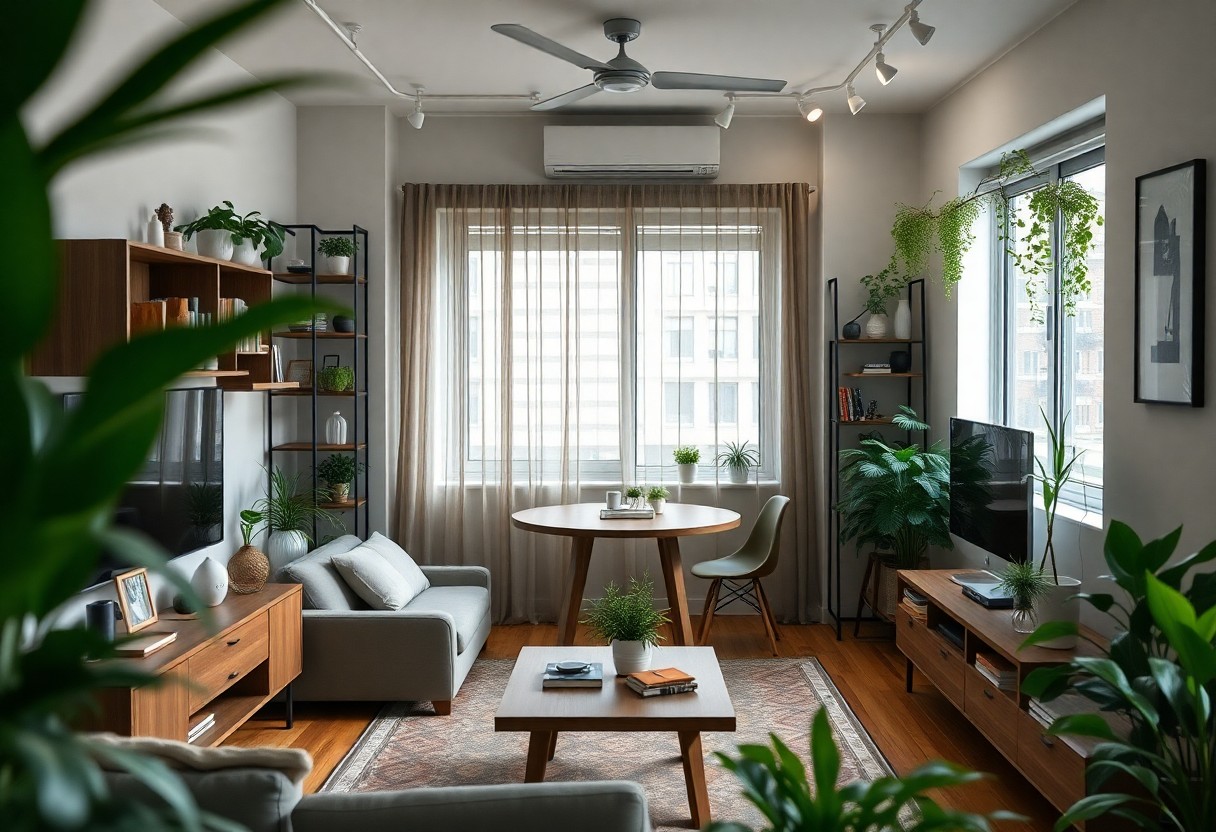
With the right strategies, you can transform your small living space into a functional and stylish retreat. By understanding how to maximize every inch, you can create an environment that feels open and inviting rather than cramped. This blog post will provide you with practical tips and innovative ideas to help you optimize your layout, furniture choices, and decor, ensuring that your small space works beautifully for your lifestyle. Get ready to unlock the potential of your home and make every square foot count!
Understanding Small Space Challenges
Before you launch on your small space design journey, it’s necessary to recognize the unique challenges these areas present. Limited square footage often leads to feelings of clutter and chaos if not organized effectively. By understanding these difficulties, you can better prepare to transform your compact living area into a stylish and functional haven.
Common Design Obstacles
Behind every small space lie design obstacles that can hinder your vision. Issues such as poor natural lighting, awkward layouts, and insufficient storage can make it tough for you to create a harmonious environment. By identifying these barriers, you can develop strategies to overcome them, maximizing the potential of your space.
The Importance of Functionality
Between aesthetics and utility, functionality in small space design plays a pivotal role. You must ensure that each element serves a purpose, turning every corner into a valuable and usable area. This approach not only enhances the overall design but also contributes to a more enjoyable living experience.
Understanding how to prioritize functionality means analyzing your daily routines and considering how your space can better serve you. Look for multifunctional furniture, smart storage solutions, and layouts that allow for easy movement. By choosing pieces that blend style with utility, you will create a cohesive environment that feels both spacious and inviting.
1. Choose multi-functional furniture for versatility and space-saving.
2. Use light colors to create an illusion of space.
3. Utilize vertical storage solutions to minimize floor clutter.
4. Incorporate mirrors to enhance natural light and depth.
5. Keep decor minimal for a clean, expansive feel.
6. Embrace open shelving to showcase style and save space.
Strategic Layout Planning
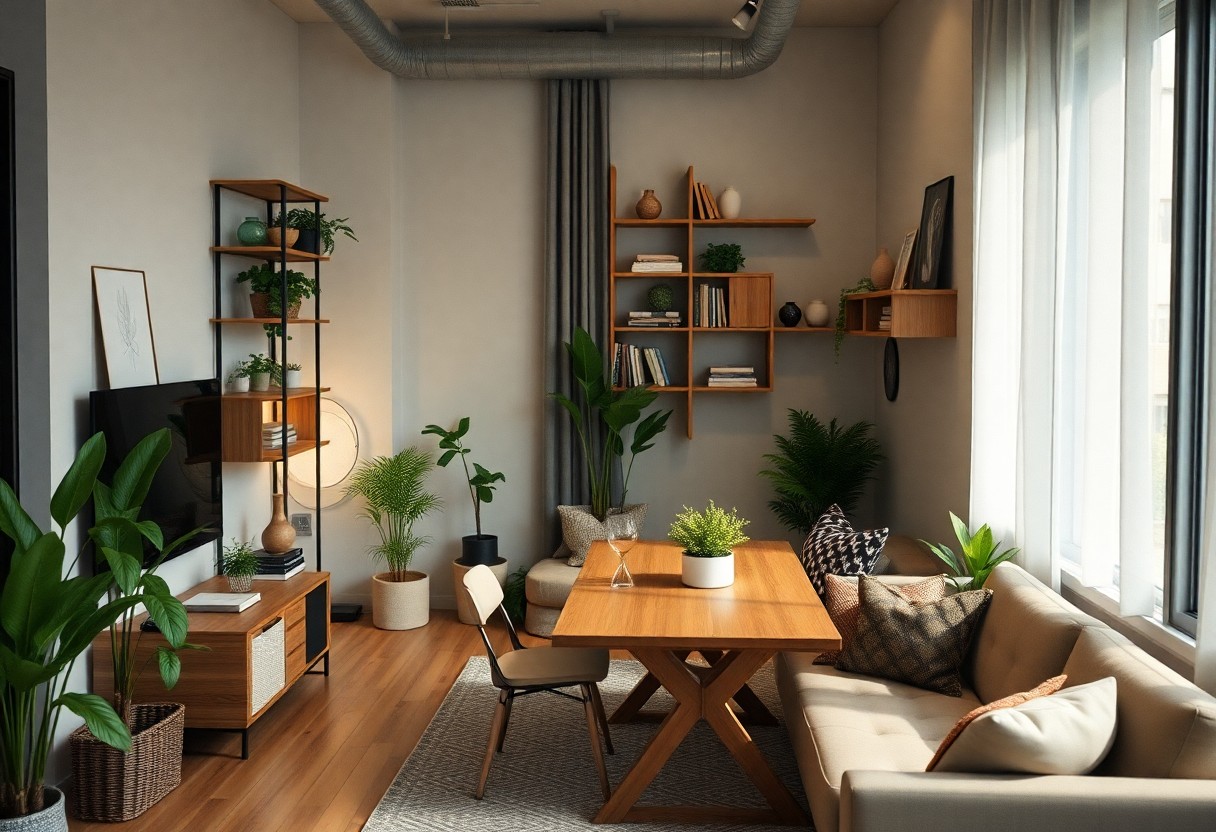
Even in small spaces, effective layout planning can transform your living environment. By understanding how to arrange your furniture and design elements purposefully, you can create a sense of openness and functionality. Prioritizing flow and accessibility will allow you to maximize every square inch of your home while making it feel welcoming and organized.
Furniture Arrangement Tips
Furniture placement plays a significant role in maximizing your space. To achieve a more functional layout, consider these tips:
- Choose multi-functional furniture.
- Utilize vertical space with tall shelves.
- Leave pathways for easy movement.
- Group furniture for conversation areas.
Assume that every piece of furniture has a purpose and contributes to the overall design and usability of your space.
Creating Flow and Accessibility
About creating an accessible layout means ensuring that all areas of your small space are easy to navigate. Arranging furniture to promote smooth movement is vital for both comfort and functionality.
In addition, consider incorporating open spaces in your layout to reduce visual clutter and enhance accessibility. When designing your home, think about how each furniture piece intersects with your daily activities. Strategic placement of furniture not only influences flow but also highlights your personal style while keeping your space organized and inviting.
Color and Light
After you have determined the layout of your small space, the next step is to focus on the color palette and lighting to create a more open, airy environment. By carefully selecting colors and enhancing light sources, you can transform your space and make it feel larger than it actually is. A strategic approach to color and light can elevate your interior design and dramatically alter the perception of space.
Choosing the Right Color Palette
For small spaces, opting for a light and neutral color palette can make a significant difference. Soft whites, gentle pastels, or light grays can create a serene backdrop, while pops of color can be introduced through accessories. This approach not only unifies the space but also opens it up, allowing for a more expansive feel.
Maximizing Natural and Artificial Light
Natural light is fundamental to making your small space feel larger. Position mirrors strategically to reflect light, and use sheer curtains to allow sunlight to filter in without sacrificing privacy. Meanwhile, layered artificial lighting can help brighten dark corners and create a warm, inviting atmosphere throughout the room.
And by combining natural and artificial light effectively, you can enhance the overall ambiance of your small space. Consider using a blend of floor lamps, table lamps, and wall sconces to create layers of warmth in the evenings. Also, ensure that fixtures are energy-efficient, which will not only help conserve energy but also keep your room feeling fresh and vibrant at all times.
Multi-Functional Furniture Solutions
Once again, the key to maximizing your small space lies in choosing multi-functional furniture. These innovative pieces not only serve their primary purpose but also incorporate additional features, allowing you to make the most of every square inch. From sofas that transform into beds to coffee tables that double as storage, selecting the right items can enhance both functionality and style in your home.
Selecting Versatile Pieces
Beside considering dimensions, selecting versatile furniture is necessary for maintaining a clutter-free environment. Look for items that offer dual purposes, like an ottoman that provides seating and hides away magazines or a dining table that converts into a workspace. By investing in these thoughtfully designed pieces, you can both elevate your decor and streamline your lifestyle.
Innovative Storage Options
Behind every well-designed small space are innovative storage options that cleverly utilize otherwise wasted areas. Think under-bed storage, built-in shelving, or furniture with hidden compartments, which allow you to keep your necessarys organized without sacrificing valuable surface area. These creative solutions can be both functional and aesthetically pleasing, striking the perfect balance for your home.
To maximize your small space, consider incorporating innovative storage options like vertical shelving, wall-mounted hooks, or nested furniture. Utilize corners and vertical wall space to store items attractively and accessibly. Explore furniture that serves multiple roles—such as benches with hidden storage or beds with drawers underneath—to efficiently tuck away your belongings. By integrating these clever storage solutions, you can enhance the functionality of your living area while maintaining an open and inviting atmosphere.
Decor and Aesthetics
To create a harmonious and inviting atmosphere in your small space, focus on selecting decor that reflects your personal style without overwhelming the room. Utilize a cohesive color palette and choose multifunctional furniture that serves both aesthetic and practical purposes. Incorporate texture through textiles, and let natural light work to your advantage by using sheer curtains. Thoughtfully curated decor can help you achieve a stylish look while maximizing the available space.
Personalizing Small Spaces
On your journey to make your small space feel uniquely yours, it’s important to infuse it with personal touches that resonate with your lifestyle. Consider incorporating cherished items, like family photos or travel souvenirs, which can transform your space into a warm and inviting sanctuary that reflects who you are.
Using Mirrors and Artwork Effectively
The strategic placement of mirrors and artwork can significantly enhance the perception of space in your home. Mirrors can reflect light, making your area feel larger and more open, while artwork can add character and depth. Choose pieces that speak to you and complement your design theme to create a more cohesive appearance.
It’s important to be intentional when choosing mirrors and artwork for your small space. Opt for larger mirrors that can serve as focal points, and place them opposite windows to amplify natural light. For artwork, consider creating a gallery wall with a mix of framed prints and personal mementos to add interest without consuming valuable floor space. By balancing these elements, you can elevate both the style and functionality of your compact area.
Outdoor Spaces and Balconies
Your outdoor space or balcony can serve as an extension of your home, providing an inviting area to relax or entertain. By utilizing versatile furniture and smart design, you can create a cozy atmosphere that maximizes your living environment. Consider adding personal touches like string lights or decorative cushions to enhance comfort and charm, ensuring that even the smallest outdoor areas feel spacious and welcoming.
Expanding Living Areas
Around your outdoor space, think about functional layouts that encourage interaction and relaxation. Multi-purpose furniture, such as a bench that doubles as storage, allows you to keep the area organized while also accommodating guests. Create designated zones for dining, lounging, or gardening to give your small area a distinctive purpose, making it feel larger and more dynamic.
Incorporating Greenery
One of the best ways to enhance your outdoor experience is by bringing nature into the mix. Potted plants or vertical gardens can add visual interest while also improving air quality. Choose various plant sizes and textures to create depth and layers that draw the eye, helping to transform even the tiniest balcony into a lush oasis.
Living in a small space doesn’t mean sacrificing greenery. Vertical planters, hanging pots, and railing gardens allow you to incorporate plants without taking up valuable floor space. Opt for low-maintenance options like succulents or herbs, which can thrive in containers. Additionally, combining plants with different heights and colors will create a vibrant, inviting atmosphere that makes your outdoor area more enjoyable and appealing.
Conclusion
The art of small space interior design empowers you to make the most of every inch in your home. By implementing smart storage solutions, choosing multifunctional furniture, and utilizing clever color schemes, you can enhance the functionality and aesthetic of your space. Embrace your creativity and be intentional with your design choices to create an inviting environment that reflects your personal style, regardless of size. With these strategies, you can transform any small area into a stylish and practical haven that meets your needs.

Posted on April 19, 2025
Breaking Down Today’s Biggest Headlines
Many events shape our world daily, and staying informed is crucial for making sense of the landscape around you. In this blog post, you will find a detailed analysis of today’s biggest headlines, empowering you to grasp the significance behind the news and its potential impact on your life. As we examine into these stories, you’ll gain insights that will help you navigate conversations and make informed decisions in your personal and professional circles.
Key Political Developments
To stay informed about the evolving landscape of politics, you should focus on the significant developments that are shaping today’s news. From shifting party dynamics to new leadership appointments, these events can have a lasting impact on policy and governance. Make it a habit to regularly check news sources so you can understand the implications of these changes on your community and beyond.
Legislative Changes
Any recent legislative changes you encounter could dramatically affect various sectors of society. These new laws can range from healthcare reforms to tax adjustments. It’s imperative to analyze how such modifications influence your daily life, and staying updated on these changes is vital for making informed decisions.
International Relations
On the global stage, international relations continue to evolve as countries navigate complex partnerships and conflicts. You’ll find it important to track these developments, as they affect trade, security, and diplomacy that can ultimately impact your nation. Understanding these dynamics enhances your awareness of how global issues trickle down to local consequences.
Relations between nations are dynamic and influenced by both historical context and pressuring contemporary issues. Trade agreements, military alliances, and diplomatic negotiations all play crucial roles in shaping international relations. As tensions rise or subside, you will find that these changes directly impact economic policies and local industries, affecting your daily life. By following these trends, you’re better equipped to respond to the global shifts that might influence your community and lifestyle.
1. Global events impact local economies and policies.
2. Climate change discussions gain urgency across nations.
3. Political tensions escalate in key regions worldwide.
4. Technology innovations reshape industries and consumer behavior.
5. Public health concerns evolve amid ongoing pandemic challenges.
6. Social movements continue to influence cultural narratives globally.
Economic Updates
While the global economy faces several challenges, recent trends indicate a gradual recovery in various sectors. Inflation rates are beginning to stabilize, providing a sense of relief to consumers and businesses alike. Central banks are closely monitoring the situation, with interest rate adjustments on the table to foster growth and maintain financial stability. Keeping an eye on these updates can help you make informed decisions regarding investments and spending.
Market Trends
Around the globe, stock markets are showing signs of volatility as investors navigate ongoing geopolitical tensions and shifting economic policies. Major indices fluctuate daily, and sectors like technology and energy are experiencing notable fluctuations. Staying updated with these trends will allow you to strategize your portfolio effectively to meet your financial goals.
Employment Statistics
Against the backdrop of economic shifts, the latest employment statistics reveal a mixed picture of the labor market. Unemployment rates have seen slight decreases, while job openings are still plentiful in specific industries. Understanding these dynamics can guide you in making optimal career choices and enhancing your job search strategy.
Further analysis of the employment statistics shows that while some sectors, such as healthcare and technology, have robust growth, others, like retail and hospitality, are still recovering from pandemic-related setbacks. You may find it beneficial to focus on industries that show resilience and adaptability, thereby aligning your skills with market demands. Additionally, consider exploring upskilling opportunities to enhance your employability in a competitive landscape.
Health News
Keep yourself updated with the latest developments in health, as new research and innovations can greatly impact your well-being. From pandemic management to groundbreaking medical treatments, staying informed empowers you to make better health choices and understand the evolving landscape of healthcare.
Pandemic Response
Below, you will find significant updates on how different regions are enhancing their response to ongoing pandemic challenges. Public health officials are adapting strategies to combat new variants and improve vaccination outreach, ensuring that communities remain informed and protected.
Breakthrough Treatments
One of the most exciting areas in today’s health news is the emergence of breakthrough treatments that promise to change the lives of patients with various conditions. These advancements are expanding treatment options and improving outcomes.
The realm of breakthrough treatments has seen incredible progress, especially in areas like gene therapy and immunotherapy. These treatments are designed to target diseases at their core, offering tailored solutions that can revolutionize the way you approach chronic illnesses. Clinical studies are showing promising results, with many patients experiencing significant improvements in their conditions. As these therapies continue to gain traction, you may find more resources and options available in your own healthcare journey.
Environmental Issues
Your role in addressing environmental issues has never been more important. With climate change, pollution, and biodiversity decline at the forefront of global discussions, it’s vital to stay informed and proactive. You can engage in local efforts and advocate for policies that seek to protect our planet. Understanding these issues empowers you to make choices that contribute to a healthier environment.
Climate Change Strategies
By exploring effective climate change strategies, you can better understand how various nations and organizations are working to mitigate its effects. These strategies often include reducing greenhouse gas emissions, transitioning to renewable energy sources, and investing in innovative technologies. As someone who wants to contribute positively, staying updated on these strategies can guide your own actions towards a more sustainable future.
Sustainability Initiatives
Climate initiatives not only aim for immediate environmental enhancements but also focus on long-term sustainability. These initiatives promote practices like recycling, energy efficiency, and sustainable agriculture, encouraging individuals and communities to change behaviors that harm the environment. You can support these initiatives by integrating sustainable habits into your daily life.
Hence, embracing sustainability initiatives can significantly reduce your ecological footprint. For instance, choosing locally sourced products, reducing plastic usage, and participating in community clean-up activities are just a few ways you can contribute. As you become more involved, you may inspire others in your network to adopt similar practices, creating a ripple effect that benefits the environment on a larger scale.
Technology Advancements
For those keeping a close eye on tech developments, the landscape is shifting rapidly with groundbreaking innovations that reshape how you live and work. This digital revolution encompasses everything from artificial intelligence to quantum computing, fostering more connectivity and efficiency than ever before. As you navigate these advancements, it’s vital to stay informed to leverage their potential and anticipate their impact on your daily life.
Innovations and Startups
Innovations are driven by creative minds in startups that aim to solve everyday problems through technology. These emerging businesses are at the forefront of discovering new solutions and services that can enhance your experience across various sectors, from health to finance. By fostering a culture of agility and experimentation, these startups play a pivotal role in shaping the future of technology.
Cybersecurity Threats
Startups focusing on cybersecurity are increasingly vital as digital threats evolve. You may find that protecting your data is becoming significantly more complex due to sophisticated hacking techniques and breaches that affect individuals and organizations alike. This growing concern underscores the importance of investing in solid security measures and remaining vigilant about personal safety online.
But as technology advances, so do the methods employed by cybercriminals. New vulnerabilities emerge, and your data is frequently targeted by phishing scams, ransomware, and data breaches. It’s vital to stay informed about the latest threats and employ proactive strategies, such as using strong passwords and regularly updating your software, to protect your sensitive information and ensure a safer online environment.

Social Movements
Unlike past eras, today’s social movements are characterized by their global reach and digital empowerment. With social media at the forefront, you can witness a rapid spread of ideas and the mobilization of supporters from various backgrounds. These movements address pressing issues like climate change, racial equality, and gender rights, inviting you to participate in dialogues that shape society. As you engage with these movements, you’ll find a strong sense of community and purpose driving collective action and advocacy.
Activism and Advocacy
About the dynamic landscape of activism, you’ll find that individuals are leveraging technology to create impactful change. Activists use social media platforms not only to raise awareness but also to organize protests, fundraise for causes, and engage in direct dialogues with policymakers. You are invited to join these initiatives, as grassroots efforts find strength in your voice and participation, creating an ecosystem of support and innovation.
Cultural Shifts
For many, the intersection of art, culture, and activism has changed the way you perceive social issues. Artists and influencers are utilizing various mediums to convey messages that resonate deeply within communities, challenging traditional narratives and inspiring new ways of thinking. This cultural evolution fosters an environment where your views and values can directly impact societal attitudes and behaviors.
Plus, as you engage in cultural shifts, you’ll notice how they not only alter perceptions but also influence policy and social norms. The arts have become a potent vehicle for change, allowing you to connect emotionally while fostering awareness around critical social issues. You’ll see how movements celebrate diversity, promote inclusivity, and challenge the status quo, making it important for you to participate in discussions that drive progress and create a more united world.
To wrap up
The analysis of today’s biggest headlines provides you with imperative insights into current events that may impact your life. By understanding the context and implications of these stories, you can engage in informed discussions and make decisions based on factual information. Keep yourself updated and aware, as the evolving news landscape directly affects your community, economy, and global affairs.

Posted on April 18, 2025
Smart Homes – How Technology is Changing Interior Design
Over the last decade, technology has transformed the way you design and interact with your living spaces, resulting in the rise of smart homes. From automated lighting systems to smart thermostats and integrated entertainment units, modern technology is revolutionizing interior design by enhancing convenience, efficiency, and aesthetic appeal. In this blog post, you will discover how these innovations not only improve functionality but also create a seamless blend of style and comfort in your home environment.
The Evolution of Smart Homes
For decades, smart homes have transformed from mere concepts into a seamless integration of technology in our daily lives. With advancements in innovation, more features and appliances are becoming interconnected, allowing you to enjoy greater convenience and efficiency in your living space. As we explore into the evolution of smart homes, you’ll discover how these advancements impact your interior design choices and overall lifestyle.
Historical Context
Any discussion about smart homes must begin by acknowledging the technological roots that paved the way for modern convenience. Early home automation systems appeared in the 1960s, but it wasn’t until the late 1990s and early 2000s, with the introduction of Wi-Fi and internet connectivity, that the idea of a connected home gained true traction, setting the foundation for today’s innovations.
Key Technologies
Smart devices and systems are at the forefront of the smart home evolution, enhancing your interior design and lifestyle. These technologies include smart thermostats, lighting, security systems, and voice-activated assistants, all designed to improve your home experience and provide greater control over your environment.
Even as you explore the landscape of smart home technologies, it’s important to understand that these advancements go beyond mere convenience. Smart thermostats can optimize your home’s energy consumption, while smart lighting can create ambiance tailored to your mood. Security systems provide peace of mind with real-time alerts, and voice assistants facilitate effortless management of tasks. As you consider these devices, envision how they can enhance both your living space and overall day-to-day experience.
1. Smart devices seamlessly integrate with modern interior design.
2. Automation enhances comfort and energy efficiency in homes.
3. Customizable lighting options create versatile room atmospheres.
4. Voice control simplifies everyday tasks and enhances convenience.
5. Smart security systems boost safety and peace of mind.
6. IoT integration enables remote control and monitoring capabilities.
Impact on Interior Design
If you think about it, technology has transformed the way you approach interior design, making it not just about aesthetics but also about functionality and efficiency. Smart homes enable you to create a harmonious blend of beauty and innovation, ensuring that every aspect of your space is optimized for comfort and convenience. This evolution in design allows you to tailor your environment to fit your lifestyle, showcasing how modern advancements influence your home aesthetic.
Space Optimization
Across various interior spaces, smart technology facilitates the optimization of layout and functionality. For instance, automation systems can adjust lighting and temperature based on your daily routines, leading to a more organized and efficient use of space. By incorporating smart furniture solutions that adapt to your needs, you can enhance the usability of your home while maintaining visual appeal.
Aesthetic Integration
Beside efficiency, aesthetic integration in your smart home ensures that technology enhances your design rather than detracts from it. Smart devices are increasingly available in sleek, stylish forms that complement your interior style. When you choose tech products, consider how they will harmonize with your decor, creating a cohesive look that feels intentional and sophisticated.
It’s crucial to select smart devices that align with your design preferences, reinforcing the overall aesthetic of your space. Modern gadgets, from hidden speakers to smart thermostats, can be beautifully incorporated into your interiors without compromising style. Paying attention to details such as color, material, and placement can help you create an environment where technology seamlessly enhances your decor, making your home both functional and visually appealing.
Smart Furniture and Appliances
After you incorporate smart furniture and appliances into your home, you’ll experience a seamless blend of functionality and design. Smart seating options, tables, and kitchen devices can adapt to your preferences, enhancing both comfort and convenience. By embracing this innovative technology, your living spaces become not only stylish but also responsive to your daily needs, promoting a more efficient lifestyle.
Overview of Smart Products
At the forefront of interior design innovation, smart products are revolutionizing how you interact with your living space. From voice-activated assistants to automated lighting and temperature controls, these technological advancements allow you to personalize your environment effortlessly. They bridge the gap between aesthetic appeal and cutting-edge functionality, ensuring that your home is both beautiful and intelligent.
Benefits and Considerations
The integration of smart furniture and appliances in your home offers numerous advantages, including enhanced convenience and improved energy efficiency. However, it’s necessary to consider compatibility with other devices, initial investment costs, and the potential for obsolescence as technology evolves.
Smart furniture and appliances can significantly enhance your daily life by providing comfort and control at the tip of your fingers. You can streamline your routines and even save on energy bills with energy-efficient smart devices. Nevertheless, it’s important to assess whether these innovations fit within your lifestyle and home layout. Investing in these items requires careful thought; ensuring they complement your existing system and align with your budget will maximize your enjoyment and benefits.
Home Automation Systems
Unlike traditional homes, smart homes leverage automation systems to enhance convenience and efficiency in your daily life. These systems allow you to control various aspects of your home environment, from lighting to security, all through a central interface. With the advancement of technology, your ability to personalize your living space is now more sophisticated than ever.
Types of Automation Systems
Automation systems can be categorized into several types:
- Smart lighting systems
- Smart heating and cooling systems
- Home security systems
- Smart entertainment systems
- Smart appliances
The flexibility of these systems allows you to customize functionality based on your lifestyle needs.
| Type | Description |
|---|---|
| Smart lighting systems | Control brightness and color of lights remotely |
| Smart heating and cooling systems | Automate temperature settings based on occupancy |
| Home security systems | Monitor and control home security remotely |
| Smart entertainment systems | Stream media and control devices with voice commands |
| Smart appliances | Manage appliances like fridges, ovens and washers |
User Experience and Accessibility
Between the myriad of options available, user experience and accessibility are paramount in ensuring you can efficiently manage your smart home. Customizable interfaces and intuitive controls enhance your interaction with devices, making the technology not just functional, but enjoyable to use.
Experience in a smart home environment can significantly enhance accessibility for everyone, including those with mobility issues. Many automation systems can be controlled via voice commands or smartphone apps, allowing you to adjust settings without physically moving. Additionally, the integration of smart technology in your home empowers you to create environments tailored to your needs, offering confidence and control over your living space. Overall, these advancements aim to make your home not only smarter but also more inclusive.
Sustainability and Energy Efficiency
To create a more sustainable and energy-efficient home, you can leverage smart technology that minimizes resource consumption and reduces your carbon footprint. By integrating smart thermostats, energy-efficient appliances, and automated lighting systems, you can significantly decrease energy use while maintaining a comfortable living environment. These innovations not only contribute to a greener planet but also enhance the aesthetic of your interiors, making sustainability a stylish choice.
Smart Solutions for Eco-Friendly Living
The rise of smart home devices allows you to optimize energy consumption without sacrificing comfort. Features like smart irrigation systems, programmable thermostats, and energy-monitoring apps enable you to track and manage your energy use efficiently. This level of control empowers you to make environmentally conscious decisions that benefit both your home and the planet.
Long-Term Economic Benefits
Living in a smart home equipped with energy-efficient technologies can lead to significant cost savings over time. By reducing your energy consumption, you lower your utility bills, which can add up to considerable savings annually. Additionally, such investments increase the value of your property, making your home more appealing to potential buyers in a competitive market.
Efficiency in energy use directly translates to financial savings that can enhance your overall financial well-being. As you adopt smart home technologies, you’ll likely experience a noticeable reduction in your monthly expenses, freeing up funds for other priorities. Furthermore, as energy costs continue to rise, your initial investments in energy-efficient solutions will pay off in the long run, making your home not just a comfortable refuge but also a financially sound investment.

Future Trends in Smart Home Design
Keep an eye on the horizon, as the future of smart home design is poised to redefine your living experience. As technology evolves, you can expect to see even more seamless integration of smart devices, personalized environments, and enhanced user interfaces that prioritize convenience and sustainability. By staying ahead with these trends, you can create space that not only adapts to your needs but also contributes to a more efficient and connected lifestyle.
Emerging Technologies
Below are some exciting technologies that will shape your smart home experience. Innovations in artificial intelligence and machine learning will enable devices that learn your habits and preferences, making your home more intuitive. Furthermore, advancements in IoT (Internet of Things) will enhance connectivity and interoperability between your devices, ensuring a cohesive and responsive ecosystem. From smart appliances to integrated security solutions, these technologies promise a level of convenience and efficiency previously imagined only in science fiction.
Predictions for the Next Decade
Decade by decade, the landscape of smart home technology continues to evolve rapidly, and the next ten years will be no exception. You can expect a surge in renewable energy systems integrated into home designs, such as solar panels and energy storage solutions that work in tandem with smart systems to maximize efficiency. Additionally, the focus will shift towards health-centric technologies that monitor indoor air quality, encourage physical well-being, and even promote mental health through tailored lighting and sound environments.
With advancements in augmented reality and virtual reality, you will likely find yourself able to visualize and customize your smart home spaces in real-time, making design choices easier and more engaging. Smart materials capable of self-cleaning and adapting to environmental changes could become commonplace, reducing maintenance tasks and enhancing your home’s longevity. As urbanization continues, smart homes will not only provide comfort and convenience but also promote sustainable living, ensuring that your home aligns with both your lifestyle and environmental values.
Conclusion
Now, as you explore the world of smart homes, you’ll find that technology significantly reshapes your interior design choices. By integrating automated systems and smart devices, you can create a living space that enhances both functionality and aesthetics. Embracing these innovations allows you to personalize your environment with convenience, efficiency, and style, making your home truly reflective of your lifestyle and preferences.

Posted on April 17, 2025
Eco-Friendly Travel – Sustainable Ways to Explore the World
Sustainable travel not only benefits the environment but also enriches your experiences as you explore the world. By choosing eco-friendly modes of transportation, supporting local communities, and reducing your carbon footprint, you can enjoy fulfilling adventures while minimizing your impact. In this blog post, you’ll discover practical tips and strategies to make your travel experiences more sustainable, helping you become a more responsible global citizen. Let’s probe into how you can embrace eco-friendly practices on your next journey!
Understanding Eco-Friendly Travel
The essence of eco-friendly travel lies in making conscious choices to minimize your environmental impact while exploring the world. By prioritizing sustainability, you not only enhance your travel experience but also contribute positively to the destinations you visit. This approach involves selecting eco-conscious accommodations, choosing low-impact transportation, and supporting local businesses that prioritize environmental stewardship.
Definition and Importance
Beside reducing carbon emissions and conserving natural resources, eco-friendly travel is about nurturing a deeper connection with the environment and local cultures. It promotes practices that ensure the longevity of destinations, allowing future generations to enjoy the beauty of our planet. Understanding this concept is imperative for any traveler who wants to leave a positive mark.
Benefits of Sustainable Tourism
Behind the concept of sustainable tourism lies a wealth of benefits that elevate your travel experiences. By engaging in practices like supporting local economies, reducing waste, and protecting natural habitats, you not only enjoy a more authentic travel experience but also contribute to the preservation of the destinations you love.
With sustainable tourism, you often find that your travel experiences are richer and more rewarding. You connect with local communities, learn about authentic traditions, and often discover hidden gems away from the typical tourist trail. Additionally, by investing your travel dollars in environmentally friendly practices, you help preserve the ecological balance of beautiful landscapes and support livelihoods that rely on responsible tourism. This fulfillment makes every journey more meaningful, enriching both you and the places you visit.
1. Choose eco-friendly transportation options like trains and buses.
2. Stay in sustainable accommodations with green certifications.
3. Support local businesses for authentic cultural experiences.
4. Pack light to reduce your carbon footprint while traveling.
5. Minimize waste by using reusable products and containers.
6. Respect local ecosystems and wildlife during your explorations.

Planning Your Eco-Friendly Trip
It’s imperative to plan your trip carefully to minimize your environmental impact. Start by researching sustainable travel options that align with your values, such as eco-friendly transportation methods and activities that support local communities. Prioritize destinations that prioritize environmental protection and embrace sustainable tourism practices, ensuring that your journey contributes positively to the world.
Choosing Sustainable Destinations
Across the globe, some destinations are committed to eco-friendliness, offering travelers unique experiences while preserving their natural beauty. Look for places known for their conservation efforts, such as countries with strong wildlife protection regulations or cities that support sustainable urban development. By choosing destinations that value sustainability, you can immerse yourself in nature and culture while minimizing your environmental footprint.
Finding Eco-Conscious Accommodations
Trip planning should include a focus on accommodations that prioritize sustainability. Look for hotels, guesthouses, and hostels with green certifications, which utilize eco-friendly practices like energy efficiency, water conservation, and waste reduction. Many of these establishments engage with their local communities, supporting artisans and farmers, thereby ensuring that your stay benefits the environment and local economy.
At your chosen destination, eco-conscious accommodations often provide more than just a place to sleep; they offer experiences that enhance your travel. Many green hotels incorporate local materials into their design, promote organic and locally-sourced food, and may even organize conservation programs or tours that give back to the community. By opting for these lodgings, you can ensure a positive impact on the environment while enjoying a more authentic travel experience.
Sustainable Transportation Options
Many travelers are seeking out sustainable transportation options to minimize their environmental impact. Whether you are exploring local neighborhoods or venturing between cities, choosing eco-friendly modes of transport can significantly reduce your carbon emissions. Consider using public transportation, biking, or walking as viable alternatives to driving. Carpooling and electric vehicle rentals are also great choices that can make your trip greener while allowing you to reach your destination with ease.
Eco-Friendly Modes of Travel
By opting for eco-friendly modes of travel, you can enhance your adventure while protecting the planet. Biking and walking not only reduce your carbon footprint but also allow you to immerse yourself in the local culture. Public transportation systems, such as buses and trains, often emit fewer greenhouse gases per passenger compared to cars. Embracing these sustainable options opens the door to new experiences, connecting you more intimately with the places you visit.
Reducing Carbon Footprint While Traveling
About reducing your carbon footprint while traveling, every choice you make can contribute to a more sustainable journey. From selecting energy-efficient accommodations to supporting local businesses, your actions can significantly impact the environment. Prioritize activities that minimize your ecological footprint, like hiking or engaging with nature through guided eco-tours, and practice mindful consumption throughout your travels.
The small changes you embrace can lead to sustainable travel practices that protect our planet. For instance, limiting air travel when possible, choosing direct flights, and packing light can substantially reduce your overall carbon emissions. Additionally, when dining out, opting for meals that feature local ingredients not only supports the community but also cuts down on food miles. Ultimately, incorporating these strategies into your travel routine empowers you to explore the world responsibly, ensuring that future generations can enjoy the beauty of our planet as you have.
Engaging in Responsible Activities
After you decide to travel sustainably, it’s vital to engage in responsible activities that minimize your environmental impact while enriching your travel experience. By participating in activities that endorse conservation, you not only enjoy the beauty of your surroundings but also contribute to the preservation of local ecosystems and cultures. Consider choosing options like guided nature hikes, wildlife habitat restoration, or environmentally friendly workshops that support conservation efforts and promote awareness.
Supporting Local Communities
Below are several impactful ways you can support local communities during your travels. When you buy local crafts, eat at community-run restaurants, or stay in locally owned accommodations, your efforts contribute directly to the livelihoods of local families. This creates a positive feedback loop, ensuring the community benefits from tourism while offering you authentic experiences that connect you with local culture and traditions.
Participating in Eco-Tours
To enhance your sustainable travel experience, consider participating in eco-tours that prioritize conservation and education. These tours often focus on the delicate balance between exploring natural wonders and protecting them, allowing you to appreciate the environment actively while minimizing your footprint. Eco-tours can include guided wildlife viewing, kayaking, and hiking excursions led by knowledgeable locals who share insights about the region’s ecology and culture.
Further, these eco-tours often collaborate with local conservation organizations, ensuring that a portion of your fee goes directly towards preserving natural habitats. By immersing yourself in these activities, you gain a deeper understanding of environmental issues while contributing to solutions. Always choose certified eco-tour operators that adhere to best practices in sustainability, enabling you to travel mindfully while making a difference.
Tips for Eco-Conscious Travelers
Once again, exploring the world sustainably is easier than you think. Here are some effective tips to make your travel eco-friendly:
- Choose eco-friendly accommodations
- Use public transport or bike rentals
- Support local businesses and eat local food
- Offset your carbon footprint
Thou art now empowered to make more sustainable choices while traveling.
Reducing Waste While Traveling
Any effort you make to minimize waste during your travels can have a significant impact. Start by carrying a reusable water bottle to reduce plastic waste, and opt for a cloth bag to hold your purchases. Avoid single-use plastics by opting for meals that come in sustainable packaging. You can also shop second-hand, thereby reducing the demand for new products while exploring unique local finds.
Sustainable Packing Essentials
About choosing the right items for your journey, sustainable packing can make all the difference. Start with imperatives such as biodegradable toiletries, reusable utensils, and a solar-powered charger. By forgoing bulk items and opting for eco-friendly alternatives, you can reduce your environmental impact. Every decision counts.
To ensure your travel gear is as sustainable as possible, look for items that are multifunctional and durable. Invest in a quality backpack made from recycled materials, and pack efficient clothing that can be layered and mixed. Additionally, include items like a portable water filter to avoid bottled water and a zero-waste toiletry kit to eliminate single-use products. Thoughtful packing helps you to travel lighter on the planet while enjoying your trip.
The Role of Technology in Sustainable Travel
Unlike traditional travel methods that often lead to environmental degradation, technology plays a pivotal role in enabling sustainable travel. Digital platforms and innovative tools empower you to make eco-conscious choices, from selecting greener transportation options to discovering sustainable accommodations. By incorporating technology into your travel planning, you can not only reduce your carbon footprint but also enhance your overall travel experience.
Apps and Tools for Eco-Friendly Travel
Beside traditional travel guides, many apps and tools are specifically designed to help you travel sustainably. These applications allow you to search for eco-friendly hotels, find local vegan restaurants, track your carbon footprint, and even connect with other like-minded travelers. By utilizing these resources, you can explore the world while staying aligned with your values of sustainability.
Online Resources and Communities
EcoFriendly travel becomes easier when you tap into online resources and communities dedicated to sustainable practices. These platforms offer insightful articles, travel tips, and forums where you can engage with others who share your commitment to environmental stewardship. By learning from different experiences and accessing valuable information, you can enrich your travel journey.
Indeed, many online resources and communities serve to inspire and inform your eco-friendly travel endeavors. Websites and social media groups not only provide articles on sustainable tourism but also serve as supportive networks where you can share your adventures and learn from others. Engaging with these platforms enhances your knowledge and helps keep you motivated on the journey to explore the world sustainably.
Summing up
So, as you begin on your eco-friendly travel adventures, consider how your choices impact the planet. By opting for sustainable transportation, supporting local businesses, and minimizing waste, you can explore the world while preserving its beauty for future generations. Your travel experiences can enrich your life and contribute positively to the communities you visit. Embrace these sustainable practices to ensure that your journeys are not only enjoyable but also responsible and respectful towards the environment.
Posted on April 16, 2025
The Art of Minimalist Home Décor
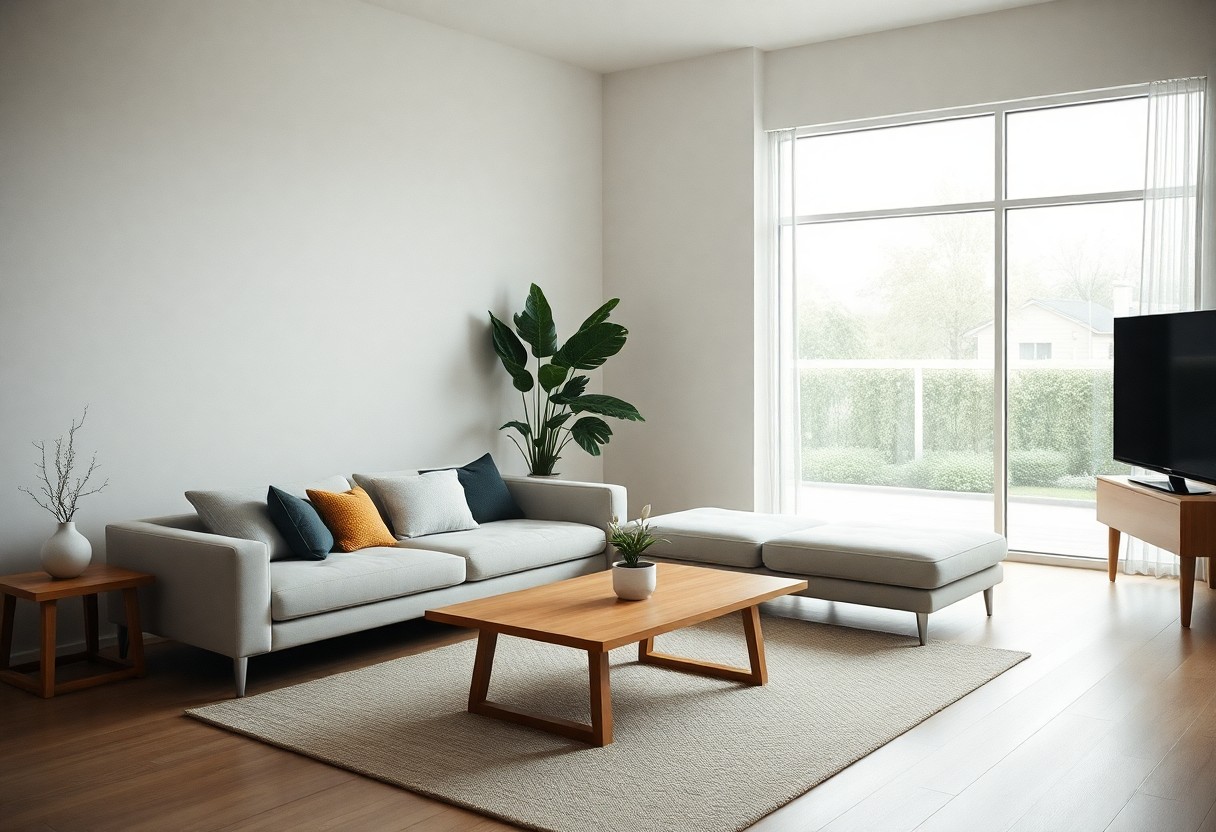
With the rise of clutter-free living, mastering the art of minimalist home décor can transform your space into a haven of tranquility and elegance. You’ll learn how to embrace simplicity by selecting important items that enhance your environment while reducing excess. This approach not only showcases your unique style but also promotes a sense of calm and well-being in your everyday life. Explore practical tips and strategies to help you curate your personal sanctuary, allowing you to experience the profound impact of a thoughtfully designed minimalist home.
Understanding Minimalism
Before embracing a minimalist home décor, you must first grasp the essence of minimalism. It’s not merely about reducing clutter; it’s a lifestyle choice that encourages intentional living. By focusing on what truly matters, you can create a serene and stylish space that reflects your values. Minimalism invites you to appreciate the beauty of simplicity, ensuring that every element in your home serves a purpose and brings you joy.
The Philosophy Behind Minimalism
Between the hustle of modern life and the distractions of consumerism lies the philosophy of minimalism. At its core, minimalism emphasizes sustainability, mindfulness, and intentionality in every aspect of your life. It encourages you to choose quality over quantity, fostering a deeper connection with your environment. This shift in perspective not only enhances your living space but also promotes a more balanced and fulfilling lifestyle.
Benefits of a Minimalist Home
Before venturing into the world of minimalist décor, consider the myriad benefits it can offer. A minimalist home fosters a sense of calm and clarity, allowing you to focus on what truly matters. By eliminating excess, you create a more functional space that enhances your daily life, reduces distractions, and promotes mental well-being.
Minimalist living leads to a more organized and efficient home environment. With fewer items, you can easily access what you need, making your daily routines smoother and less stressful. Additionally, embracing minimalism invites you to cultivate a sense of mindfulness and purpose in your life, encouraging you to surround yourself only with things that resonate with your true self. Ultimately, a minimalist home can be a sanctuary that nurtures your mental clarity and emotional well-being.
1. Embrace simplicity for a serene living space.
2. Choose functional furniture with clean lines.
3. Opt for a neutral color palette to enhance calmness.
4. Limit decorative items to avoid clutter and chaos.
5. Use natural light to create an airy atmosphere.
6. Prioritize quality over quantity in home accessories.
Key Principles of Minimalist Décor
It’s crucial to understand that minimalist décor is about creating balance and harmony in your living space. By focusing on a select few elements, you can achieve a visually appealing environment that emphasizes simplicity and functionality. Prioritize quality over quantity, incorporating items that are not only aesthetically pleasing but also serve a purpose in your life.
Decluttering and Simplifying
Among the foundational steps of minimalist décor is decluttering your space. Start by evaluating each item in your home and determining its significance. You’ll want to keep only those possessions that genuinely enhance your daily experience, allowing you to create a serene atmosphere free from unnecessary distractions.
Embracing Space and Light
Between furniture arrangement and color choices, a key aspect of minimalist design involves utilizing space and light effectively. You should arrange your furniture to maximize open areas, encouraging a sense of airiness. Opt for light, neutral colors to reflect natural light and further enhance the spacious feeling in your home.
At the heart of embracing space and light is the idea of creating a warm and inviting atmosphere. By strategically placing mirrors and using sheer window treatments, you can amplify the flow of natural light throughout your home. This not only brightens your space but also expands your perception of it, making everything feel more expansive and serene. You may find that simplicity and lightness transform how you enjoy and engage with your environment.
Color Palettes in Minimalist Design
Not overwhelming your space with a variety of colors is key in minimalist design. Instead, choose a cohesive palette that enhances the simplicity you crave. By sticking to a limited range of hues, your home can exude a sense of calm and clarity, allowing the elegance of minimalist décor to shine through. Consider how each shade interacts with natural light and your chosen materials to create a harmonious environment.
Neutral Tones and Their Impact
With their ability to evoke a sense of serenity, neutral tones form the foundation of minimalist design. Shades like beige, gray, and white make your space feel open and airy, seamlessly blending with your furniture and décor. Incorporating neutrals allows you to establish a calm backdrop that invites tranquility while highlighting the simplicity of your furnishings and accents.
Accent Colors for a Minimalist Touch
Above all, accent colors can add personality to your minimalist space without overwhelming it. By strategically incorporating one or two bold colors, you can create focal points that draw the eye and inject life into your decor. Whether it’s a vibrant piece of artwork or an eye-catching throw pillow, these accents serve to enrich your neutral palette while maintaining the overall simplicity of your design.
Consequently, using accent colors thoughtfully allows you to express your personal style within a minimalist framework. Select hues that resonate with you, and use them sparingly in key areas—like a single vase, a chair, or an art piece. This intentional approach not only enhances the overall aesthetic but also keeps your space uncluttered and visually appealing, adding depth without detracting from its minimalist essence.
Furniture Selection for Minimalism
Now that you’ve embraced the concept of minimalism, it’s imperative to focus on furniture selection that aligns with your vision. Each piece should contribute to a sense of space and tranquility, so prioritize simple designs, clean lines, and functional forms. Look for items that spark joy and complement your aesthetic, while also ensuring that your living areas remain uncluttered and harmonious.
Multi-functional Pieces
To maximize your living space, consider incorporating multi-functional furniture into your home. Items such as a sofa bed, storage ottomans, or convertible tables not only serve various purposes but also help reduce clutter, allowing you to maintain a minimalist atmosphere while staying practical.
The Importance of Quality Over Quantity
Selection of furniture should emphasize quality over quantity for a minimalist home. Investing in fewer, high-quality pieces ensures durability and lasting appeal, creating a serene environment that encourages relaxation and mindfulness.
Further, by prioritizing quality, you cultivate a space that reflects your values and aesthetic preferences. High-quality furniture typically features better materials and craftsmanship, which not only enhances the visual appeal but also provides comfort and functionality. Each chosen piece becomes a statement of intentional living, reinforcing your commitment to minimalism and enabling you to appreciate the beauty and purpose of your surroundings.
Textures and Materials
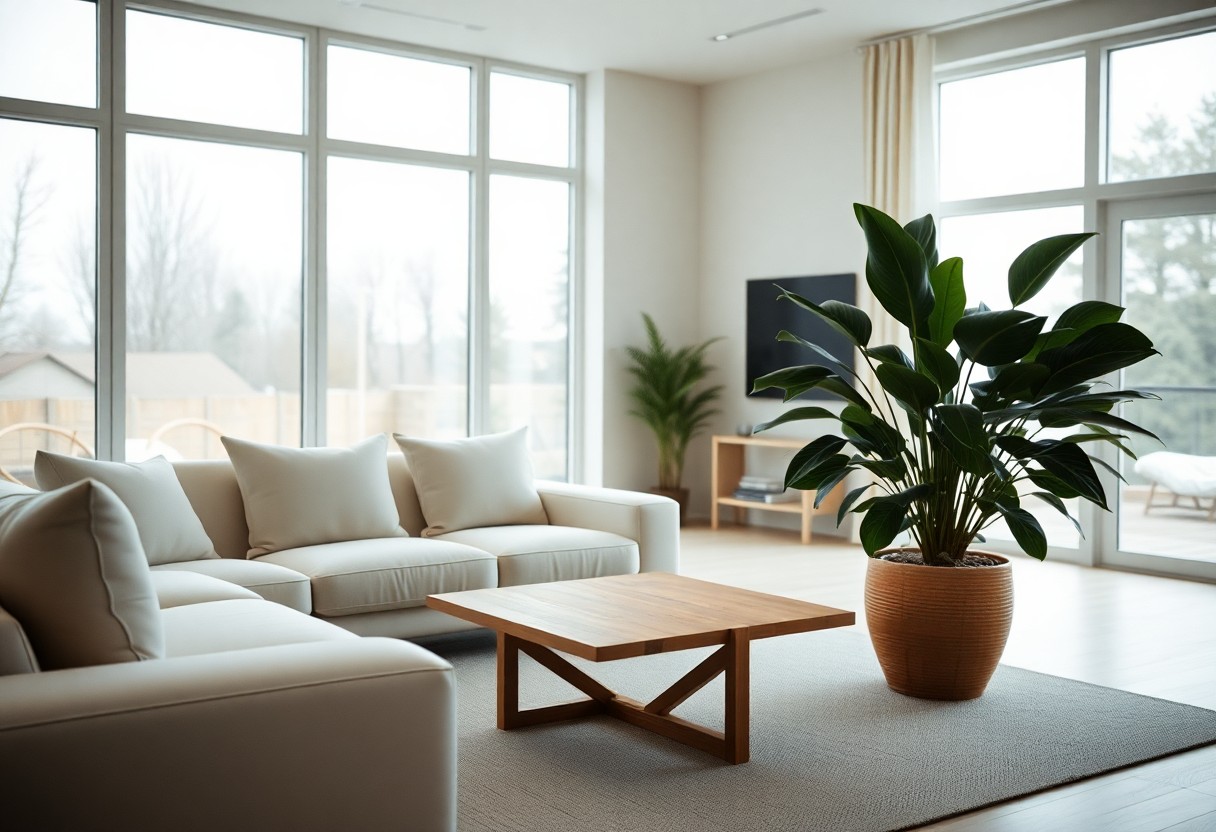
Keep in mind that the success of minimalist home décor largely hinges on the thoughtful combination of textures and materials. Emphasizing simplicity does not mean sacrificing depth; instead, it invites you to showcase a variety of surfaces that contrast while remaining cohesive. From soft textiles to sleek metals, each element should harmoniously contribute to your space’s overall aesthetic, ensuring a tranquil and welcoming environment.
Natural Elements in Minimalist Décor
Against a backdrop of minimalism, incorporating natural elements can bring warmth and organic beauty to your home. Wood, stone, and plants can soften the starkness of minimalist design, creating a balanced atmosphere. Opt for raw, unpolished finishes that enhance the authentic feel of nature, allowing your space to breathe and connect with the outdoors.
Balanced Use of Textures
Textures are key to achieving a layered yet uncluttered look in your home. By thoughtfully integrating various materials, you can create visual interest without overwhelming the senses. Consider juxtaposing soft fabrics with hard surfaces or incorporating matte finishes alongside glossy ones; this interplay fosters an inviting environment that still honors the minimalist ethos.
Materials play an imperative role in this textured balance; they allow you to build a narrative within your space. Select creamy linens, rough-hewn woods, or brushed metals to invite touch and visual curiosity. Ensure that these materials align with your minimalist philosophy, maintaining a sense of clarity and purpose in every piece you introduce into your home.
Personal Touches in a Minimalist Home
Many people believe that minimalism means sacrificing personal style, but incorporating personal touches in your minimalist home can add warmth and character. You can achieve this balance by curating a few meaningful items that reflect your personality and experiences, allowing your space to feel both inviting and uncluttered. Thoughtfully selected pieces, such as family photos or souvenirs from your travels, can enhance your home’s aesthetic while keeping it true to your essence.
Meaningful Décor Items
Home is where your memories reside, and meaningful decor items can serve as cherished reminders of your life’s journey. By choosing decor that tells your story, you create a space that feels uniquely yours. Opt for a handful of carefully chosen pieces rather than overcrowding your surfaces, ensuring each item holds significance for you and contributes to the overall atmosphere of your home.
Art and Its Role in Minimalism
For those who appreciate art, it is an imperative aspect of minimalism that can elevate your home. Carefully chosen artwork not only enlivens your space but can also express your individuality and interests. Instead of filling your walls with numerous pieces, focus on a few impactful works that resonate with you, creating a beautiful focal point without overwhelming your minimalist aesthetic.
Role of art in minimalist design extends beyond mere decoration; it engages the viewer and can evoke emotions that enhance your living space. By selecting pieces that spark joy or inspiration, you can cultivate an environment that promotes tranquility and creativity. When integrated thoughtfully, art can transform a minimalist home into a reflective sanctuary, making each piece feel both purposeful and significant.
Summing up
Upon reflecting on the principles of minimalist home décor, you can see how embracing simplicity can transform your space into a serene and functional environment. By thoughtfully choosing a limited number of high-quality items and focusing on clean lines and neutral colors, you enhance not just the aesthetic appeal but also the overall atmosphere of your home. Minimalism encourages you to prioritize what truly matters, allowing for a more intentional and enjoyable living experience. With these ideas, you can create a space that is both stylish and meaningful, enriching your daily life.