


Posted on March 15, 2025
Fumigation Myths and Facts You Should Know
Facts about fumigation can often be clouded by misconceptions, leaving you uncertain about its importance and efficacy. It’s vital for you to understand the truths behind common myths surrounding fumigation to make informed decisions for your home and health. In this post, we will unravel these myths and present you with factual information that will help you navigate the world of pest control effectively. By gaining clarity on fumigation, you can protect your living space more effectively and ensure a safe environment for you and your family.
Understanding Fumigation Basics
Before you consider fumigation, it’s important to grasp its fundamentals. Fumigation is a pest control method that involves sealing your home or property and introducing gas or vaporized pesticides to eliminate pests. Knowledge of this process can help you make informed choices and understand what to expect during and after fumigation.
What is Fumigation?
The definition of fumigation is the application of gaseous pesticides or fumigants to enclosed spaces. This method effectively penetrates materials such as wood, soil, and grains, targeting a variety of pests without damaging the property itself. It’s a preferred solution for serious infestations where other methods may fall short.
Common Fumigation Methods
Common fumigation methods include tenting, tarping, and container fumigation. Tenting involves enclosing a structure in a large tent before introducing the fumigant, while tarping is a similar technique tailored for smaller areas. Container fumigation is often used for shipping containers and involves sealing the container before treatment.
In addition to these methods, each technique has its specific applications and advantages. Tenting is often used for homes and large structures, ensuring total enclosure for maximum effectiveness. Tarping is more suited for smaller areas, such as sheds or garages, where complete sealing is viable. Container fumigation is ideal for transporting goods across shipping routes, efficiently safeguarding products from pests during transit. Understanding your options can help you choose the right method for your pest management needs.
Safety and Regulations
One of the most important aspects of fumigation is ensuring safety and adherence to regulations. You need to be aware of local, state, and federal guidelines to prevent harm to yourself, your property, and the environment. Compliance with these regulations not only ensures effective pest control but also protects public health and safety. Understanding the rules surrounding fumigation helps you make informed decisions when hiring professionals.
Professional Licensing Requirements
To ensure that your fumigation is executed safely and effectively, you should always hire licensed professionals. State laws often mandate that pest control operators undergo extensive training and hold specific certifications. By choosing a licensed provider, you can trust that they have the necessary skills and knowledge to handle hazardous materials safely.
Environmental Protection Standards
Professional fumigation services are required to adhere to environmental protection standards. These standards are in place to minimize the impact of chemicals on the ecosystem and human health during the fumigation process.
Hence, the regulations dictate the types of chemicals used, the concentration levels permitted, and the safe application methods employed to reduce any adverse effects. By following these guidelines, licensed fumigators help protect air and water quality and prevent harm to beneficial organisms, ensuring that your pest control efforts do not compromise environmental integrity.
Common Fumigation Myths
The landscape of fumigation is often clouded by various myths that can mislead you when considering pest control options. Many people believe that fumigation is the only solution for pest problems, while others think it’s a simple one-time fix without understanding the complexities involved. By debunking these myths, you can make better-informed decisions about safeguarding your property against pests.
Effectiveness Duration
Along with the common misconception that fumigation provides permanent pest control, it’s vital to recognize that its effectiveness can vary based on several factors. While fumigation can eliminate pests effectively in the short term, the longevity of its results depends on your ongoing preventative measures and the presence of new pests. Regular follow-ups and preventative treatments may be necessary to keep your environment pest-free.
Health Impact Misconceptions
At times, people may worry that fumigation poses significant health risks to them and their families without understanding the safety protocols in place. Fumigation is performed under professional guidance, ensuring that you and your loved ones are kept safe during the process. Technicians take various precautions to minimize exposure and protect your health, making it a safe option when carried out correctly.
Misconceptions about health impacts often stem from fear of the unknown. You might think that the chemicals used in fumigation are harmful, but modern pest control techniques prioritize safety and effectiveness. Licensed professionals conduct thorough assessments, ensuring that appropriate, regulated substances are used. Moreover, safety measures, such as aeration, help eliminate harmful residues before you re-enter your space. By staying informed about the process, you can alleviate your concerns and feel confident in the safety of your home.
Pest-Specific Fumigation Facts
All pest species require tailored fumigation approaches due to their unique life cycles, behavior, and vulnerabilities. Understanding these differences is vital for effective pest management. Whether you’re dealing with termites, bed bugs, or grain pests, specific fumigation treatments are designed to target their habits and habitats, ensuring maximum efficacy and minimal disruption to your environment.
Target Pest Species
One of the first steps in effective fumigation is identifying the target pest species. Each pest behaves differently, and understanding their biology is key to successful eradication. For instance, wood-destroying pests like termites might need a different approach compared to fabric-dwelling pests such as moths. Knowing your pests helps in selecting the right fumigation method and minimizes the risk of recurrence in your space.
Treatment Protocols
An effective fumigation process relies on meticulously planned treatment protocols tailored to specific pest species. These protocols include assessing the pest infestation level, determining the appropriate fumigant, and establishing dosages and exposure times. By tailoring these parameters, you can ensure that your fumigation will effectively eliminate the pests while protecting your property.
Protocols generally involve pre-treatment preparations, such as sealing structures to contain the fumigant and ensuring that all items within the treatment area are compatible. It’s important that during the treatment phase, specific gas concentrations are maintained for a certain duration to penetrate the targeted items or areas effectively. Post-treatment evaluations also help confirm that the fumigation was successful, paving the way for a pest-free environment.
Preparation and Post-Treatment
To ensure a successful fumigation process, proper preparation and adherence to post-treatment guidelines are necessary. This not only maximizes the effectiveness of the treatment but also ensures the safety of your environment. Following the right steps before and after fumigation will help eliminate pests and maintain a healthy space for you and your family.
Property Preparation Guidelines
Against common misconception, preparing your property for fumigation is not just about vacating the area. You should remove any perishable items, plants, and medications that could be affected by the chemicals used. Seal all food in airtight containers and ensure easy access for the pest control professionals. Following these guidelines will enhance the efficacy of the treatment.
Re-entry Procedures
Post-treatment, you will need to follow specific re-entry procedures to ensure your safety. This includes waiting for the recommended duration before returning, allowing for adequate ventilation in your property, and following any additional instructions provided by your pest control operator.
Property safety is of utmost importance during this phase. After the fumigation process, ensure your home has been properly ventilated and any lingering gases cleared out. Wait for the indicated re-entry time before stepping back inside. Always check with your pest control provider for specific instructions tailored to your situation, as they may have additional recommendations or precautions to follow for your safety.
Cost and Value Considerations
Despite common perceptions, the cost of fumigation is often justifiable when you consider the protection it offers. Understanding the value of a pest-free environment can outweigh initial expenses, especially if it prevents significant damages to your property and health issues linked to infestations. You should weigh both immediate and long-term consequences when deciding to proceed with fumigation.
Pricing Factors
About the pricing of fumigation services, various elements can impact the overall expense you might incur. Consider the following factors:
- Type and severity of infestation
- Size and accessibility of the property
- Type of fumigation method used
- Geographic location and seasonal demands
Perceiving the costs as an investment rather than a mere expense can help you appreciate the long-term value of effective pest control.
Long-term Benefits
Before investing in fumigation, it’s beneficial to assess the long-term rewards it offers for your home or business. The peace of mind that comes with knowing your space is free from pests is invaluable.
Cost savings often accompany effective fumigation, as the damages caused by pests can lead to extensive repair bills and associated health costs over time. You enhance the safety and comfort of your home, potentially increasing its market value, while also safeguarding your family’s health. By eliminating pests, you mitigate risks of diseases they might carry, ensuring a healthier environment for you and your loved ones. The return on investment from effective pest control can be substantial, making fumigation a wise choice in maintaining your property’s integrity.
To wrap up
Hence, understanding the myths and facts surrounding fumigation empowers you to make informed decisions for your pest control needs. By distinguishing between truth and misconception, you can better protect your home and health. Stay proactive by consulting professionals and continuously educating yourself on effective pest management strategies to ensure a safe and pest-free environment.
Posted on March 14, 2025
Why Timely Plumbing Repairs Are Crucial
Most homeowners underestimate the importance of addressing plumbing issues as soon as they arise. Delaying repairs may seem like a minor inconvenience, but it can lead to more severe damage and costly repairs in the long run. By acting promptly, you not only maintain your home’s integrity but also protect your finances and enhance your comfort. In this article, you’ll learn about the critical reasons why timely plumbing repairs should be at the forefront of your home maintenance priorities.
Understanding the Impact of Delayed Repairs
Before you underestimate a minor plumbing issue, consider the potential consequences of delaying repairs. Ignoring even small leaks or malfunctions can lead to significantly larger problems over time, affecting not just your plumbing system but your entire home and wellbeing. Timely intervention is imperative to mitigate these risks and sustain the integrity of your property.
Property Damage and Structural Issues
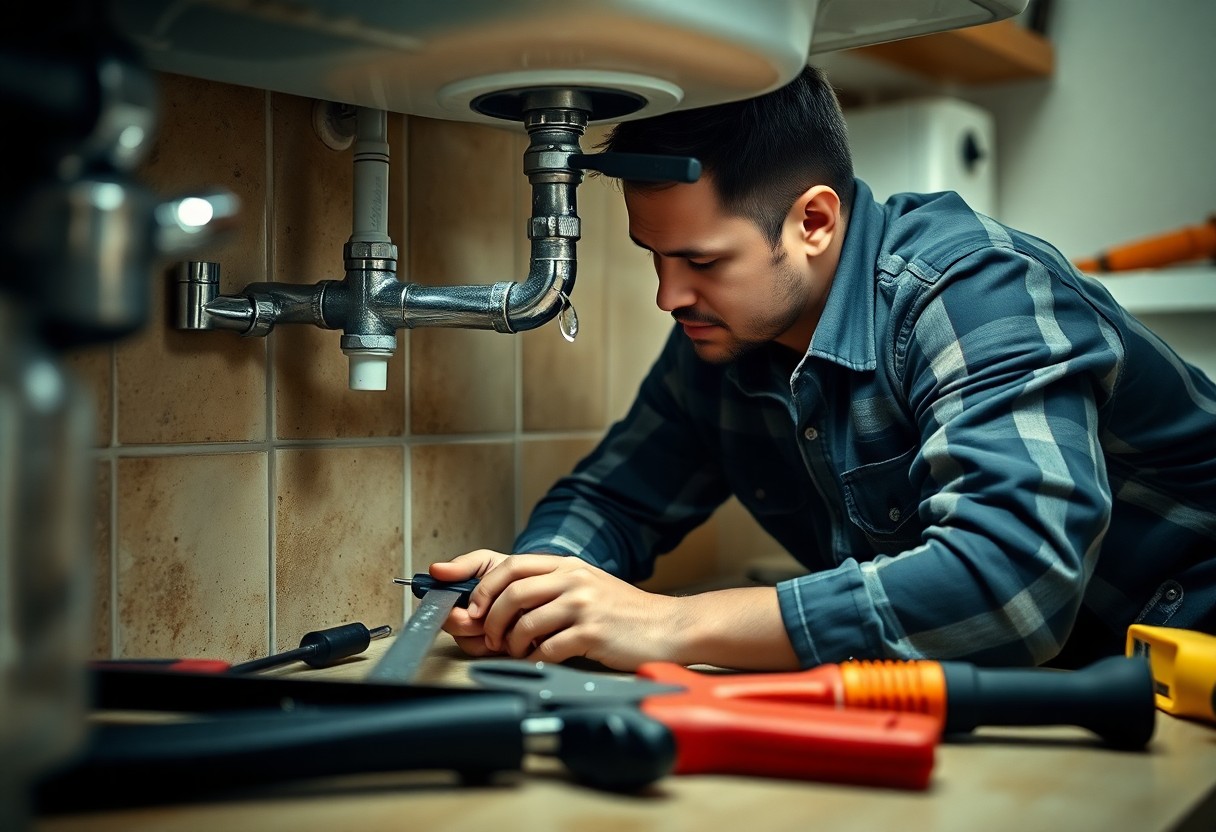
By postponing necessary plumbing repairs, you risk facing severe property damage and structural problems. Water leaks can seep into walls, weaken foundations, and promote mold growth, ultimately leading to costly repairs that could have been avoided with prompt action.
Health and Safety Concerns
Structural damage can introduce various health and safety risks into your living environment. For instance, standing water due to plumbing issues can attract pests and create hazardous conditions that increase the likelihood of slips and falls. Additionally, water damage can foster mold growth, which poses serious respiratory risks and other health complications. Ensuring timely repairs not only protects your property but also safeguards your family’s health and safety.
Common Plumbing Issues Requiring Immediate Attention
It is important to recognize that certain plumbing problems demand swift action to prevent further damage to your home and plumbing system. Addressing these issues promptly ensures not only the safety of your property but also the well-being of your family. Being vigilant about signs of plumbing distress can save you from costly repairs and potential health hazards down the line.
Leaking Pipes and Fixtures
Immediate action is required when you notice leaks in your pipes or fixtures. A small drip can quickly escalate into a significant problem, resulting in water damage, mold growth, and increased water bills. By addressing leaks as soon as you identify them, you can prevent far more serious issues from developing and protect your home’s integrity.
Clogged Drains and Sewage Systems
Immediate intervention is necessary if you experience clogged drains or sewage backups. These issues can lead to unsanitary conditions in your home, foul odors, and potential flooding. By tackling these problems swiftly, you can maintain a clean and healthy living environment while minimizing potential damage to your plumbing infrastructure.
Attention to clogged drains and sewage systems is vital for the health of your home. Allowing these blockages to persist can lead to backups that overflow into your living spaces, posing serious health risks and costly repairs. Proactive measures, such as regular maintenance and prompt response to early signs of clogs, will ensure that your plumbing remains in top condition and keeps your home safe from unwanted complications.
Cost Implications
Now, understanding the financial repercussions of plumbing issues can help you make better decisions. Neglecting repairs can lead to escalated costs, not only from increased water bills but also potential property damage that requires more extensive repairs in the future. You may face costly emergency visits from a plumber, which can significantly affect your budget. It’s vital to address plumbing problems as soon as they arise to save yourself future financial strain.
Immediate vs. Delayed Repair Expenses
One of the key factors to consider is the difference between immediate and delayed repair expenses. If you tend to fix a minor leak promptly, you’ll likely incur a relatively low cost. However, if you ignore that leak, it could worsen over time, leading to more substantial damage and higher repair costs. Evaluating these expenses can provide you with a clearer picture of the importance of timely repairs.
Long-term Financial Benefits
Among the various advantages of timely plumbing repairs, long-term financial benefits stand out. By addressing issues as they appear, you can effectively avert more serious complications that could significantly increase your out-of-pocket expenses. Regular maintenance also extends the lifespan of your plumbing system, ultimately saving you money on replacements.
Consequently, recognizing the long-term financial benefits can reshape your approach to plumbing issues. By investing a little in maintenance and timely repairs, you reduce the likelihood of major expenses down the road. You prevent additional problems like mold growth, water damage, and structural issues that can require extensive repairs or replacements. In the end, a proactive approach leads to substantial savings, reinforcing the importance of addressing plumbing needs promptly. Your wallet—and your home—will thank you for it.
Environmental Considerations
Keep in mind that timely plumbing repairs can significantly impact the environment. Leaky faucets and pipes waste precious water resources, contributing to depletion and increasing pressure on local ecosystems. By addressing these issues promptly, you not only save water but also play your part in conserving our planet’s vital resources.
Water Conservation
Beside the immediate financial implications, fixing leaks and other plumbing issues enhances water conservation efforts. As you attend to plumbing repairs, you help reduce unnecessary water wastage, ensuring that every drop counts. This proactive approach contributes to a healthier environment while promoting sustainable living practices.
Energy Efficiency Impact
Water leaks often lead to increased energy consumption, impacting your utility bills and the environment. By addressing plumbing issues promptly, you minimize wasted energy associated with heating water that leaks away.
Indeed, repairing plumbing leaks not only conserves water but also boosts your home’s energy efficiency. When water escapes through damaged pipes, heating systems must work overtime to replace that lost water, leading to higher energy use. By prioritizing timely repairs, you ensure that your plumbing operates efficiently, reducing your carbon footprint and saving you money on energy costs.
Professional vs. DIY Repairs
To decide between professional help and a DIY approach, consider the complexity of the plumbing issue at hand. While minor leaks and clogs may seem manageable, some problems require specialized knowledge and tools that only trained plumbers possess. Making the wrong choice can lead to more significant issues and expenses down the line, so weigh your options carefully before proceeding.
When to Call a Professional
Across many scenarios, you should consider reaching out to a professional plumber, especially when dealing with major leaks, sewage backups, or complex installations. If you find yourself facing persistent issues or if the problem escalates despite your attempts, it’s wise to seek expert assistance. This not only safeguards your plumbing system but also saves you time and money in the long run.
Risk Assessment
When evaluating whether to tackle a plumbing issue yourself or call in a pro, risk assessment is crucial. Consider the potential dangers involved, such as water damage, mold growth, or even personal injury from equipment mishandling. If the risks seem high, it’s best to invest in professional services for safety and peace of mind.
To effectively assess risk, you need to evaluate both the severity of the plumbing problem and your own skill level. For instance, attempting to fix a significant pipe burst without proper tools or experience could lead to extensive water damage, resulting in costly repairs. On the other hand, addressing a simple faucet leak may be manageable for a homeowner with a basic understanding of plumbing. Always analyze the potential consequences and your capability to mitigate those risks before taking on any plumbing task.
Preventive Maintenance
Once again, taking a proactive approach with preventive maintenance can save you both time and money in the long run. By routinely checking your plumbing system, you can identify potential issues before they escalate into costly repairs. Regular maintenance ensures that your plumbing works efficiently, enhances its lifespan, and minimizes the risk of unexpected breakdowns.
Regular Inspection Schedule
At the core of preventive maintenance is a regular inspection schedule. By committing to routine inspections, you allow yourself to catch small problems before they develop into major ones. Consider scheduling checks every six months to examine pipes, fixtures, and water heaters. This consistent practice can significantly reduce urgent plumbing situations.
Early Warning Signs
Early detection of issues is imperative for maintaining your plumbing system. Signs such as low water pressure, unusual sounds, or discoloration in your water often indicate underlying problems. By recognizing these early warnings, you can address issues before they result in extensive damage or costly repairs.
And identifying early warning signs can fundamentally change how you manage your plumbing needs. If you notice dripping faucets, musty odors, or water stains on walls and ceilings, act promptly. These indications often point to leaks or water damage, which can escalate quickly if left unaddressed. By diagnosing these issues early, you help maintain the overall integrity and functionality of your plumbing system.
Conclusion
To wrap up, timely plumbing repairs are vital for maintaining the integrity of your home and avoiding costly damage in the long run. By addressing issues promptly, you protect your living space from mold, water damage, and potential structural concerns. Taking immediate action not only saves you money but also ensures your plumbing system functions smoothly and efficiently. Prioritizing these repairs can significantly enhance your comfort and preserve the value of your property, allowing you to enjoy peace of mind in your daily life.

Posted on March 13, 2025
The Rise of Smart Tech in Modern Travel
With the rapid advancement of technology, the way you travel has transformed dramatically. Smart tech has become an integral part of your journey, enhancing convenience, safety, and personalization. From mobile apps that streamline bookings to smart luggage that tracks its own location, these innovations are reshaping your travel experiences. In this post, you’ll discover the key technologies that are making waves in the travel industry and how they can improve your next adventure.
Evolution of Travel Technology
For centuries, travel has undergone a remarkable transformation, evolving from simplistic methods of transportation to an advanced ecosystem powered by technology. The advent of the internet and smartphones has rewritten the rules of exploration, allowing you to plan, book, and navigate your journeys with unparalleled ease. This evolution has not only made travel more accessible but has also enriched your experience with an array of tools designed to enhance every aspect of your journey.
From Paper Maps to Digital Navigation
Travel has shifted dramatically from relying on paper maps to utilizing sophisticated digital navigation systems. With GPS technology and mapping apps readily available on your smartphone, navigating unfamiliar places is now seamless. These innovations allow you to discover the fastest routes, avoid traffic, and even explore off-the-beaten-path destinations with just a few taps on your device.
The Emergence of Mobile Travel Apps
Behind the scenes, mobile travel apps have revolutionized how you plan and experience your trips. From flight bookings to hotel reservations, these apps centralize all your travel needs in one place. They not only save you time, but they also provide curated recommendations, local insights, and real-time updates that make your journey smoother and more enjoyable.
Even with the abundance of options available, finding the right travel app can enhance your travel experience significantly. These apps often include features such as itinerary management, currency converters, and activity suggestion tools tailored to your interests. By using mobile travel apps, you gain access to a wealth of information and services right at your fingertips, empowering you to travel smarter and embrace new adventures with confidence.
Smart Devices Transforming Travel Experience
The integration of smart devices in travel has revolutionized how you plan, experience, and share your journeys. From mobile apps that provide real-time updates on flight status to smart luggage that tracks your belongings, these innovations streamline your travel experience. With the aid of voice-activated assistance and augmented reality navigation, you can navigate new cities effortlessly, making your trips not only smoother but also more enjoyable. Smart technology is not just a convenience; it is becoming an crucial part of modern travel.
Wearable Travel Technology
Wearable technology, such as smartwatches and fitness trackers, enhances your travel experience by offering convenient access to vital information at your fingertips. These devices can monitor your health, track your location, and provide alerts for travel updates—all while being discreet and portable. You can easily check your itinerary, navigate through unfamiliar places using GPS, or even pay for items without fumbling for your wallet. With wearables, your hands are free to enjoy the journey.
Internet of Things in Tourism
Travel has become increasingly interconnected due to the Internet of Things (IoT), which allows various devices to communicate and share data. As you explore new destinations, smart sensors in your hotel room can adjust the temperature and lighting based on your preferences, ensuring comfort throughout your stay. IoT-powered applications also help you seamlessly check in to flights, provide real-time updates, and even recommend nearby attractions based on your interests, enhancing the overall travel experience.
The potential of the Internet of Things in tourism continues to grow, creating smarter environments that adapt to your needs. Hotels equipped with IoT systems can enable you to control room features via your smartphone, making you feel more at home while traveling. Transportation networks are becoming more efficient by providing real-time updates for buses and trains, helping you avoid delays. As more businesses embrace IoT capabilities, your travel experience will become increasingly personalized, seamless, and enjoyable.
Digital Travel Planning and Booking
Now more than ever, digital tools enhance your travel planning and booking experience. Advanced technology streamlines the way you explore destinations, compare prices, and secure reservations. With user-friendly apps and websites, you can craft your ideal journey in just a few clicks, transforming traditionally tedious tasks into seamless processes that save you time and effort.
AI-Powered Travel Recommendations
One of the most exciting developments in travel tech is the rise of AI-powered travel recommendations. These intelligent systems analyze your preferences, past trips, and current trends to suggest personalized itineraries, accommodations, and activities tailored specifically to you. This means that your next adventure can be curated around your tastes and interests, making travel planning more enjoyable and efficient.
Smart Booking Platforms
Against the backdrop of evolving technology, smart booking platforms leverage cutting-edge features to simplify the way you secure travel arrangements. These platforms consolidate options, provide real-time updates, and include reviews to help you make informed choices when planning your journey.
Platforms such as Expedia, Kayak, and Airbnb utilize algorithms that not only analyze pricing but also forecast trends, allowing you to identify the best times to book flights or lodgings. Moreover, many of these tools offer unique filters and personalized recommendations, enhancing your ability to find exactly what you’re looking for. By harnessing data-driven insights, you can make smarter decisions, ensuring your travel experiences align with your preferences and budget.
Connected Transportation
Once again, technology is revolutionizing the way you travel, particularly through the integration of connected transportation. These advancements ensure seamless movement between various modes of transport, enhancing your overall travel experience. With real-time updates and improved accessibility, you can navigate your journeys effortlessly, ultimately saving you time and providing convenience at your fingertips.
Smart Airports and Flight Technology
At modern airports, technology has significantly streamlined the travel process. You can enjoy features such as biometric screening systems, mobile boarding passes, and even smart luggage handling. These innovations not only expedite your journey through the airport but also reduce the stress often associated with travel logistics.
Intelligent Ground Transportation Systems
For your ground transportation needs, intelligent systems are reshaping how you move around cities. With real-time data sharing and advanced routing algorithms, you can expect more efficient public transport options and ride-sharing services, making your city exploration much easier and quicker.
Consequently, intelligent ground transportation systems leverage data to provide optimized routes, reducing wait times and improving safety. By utilizing sensors and analytics, these systems can forecast traffic patterns and adjust transit schedules accordingly. This means when you choose public transport or ride-sharing, you’re likely to experience a smoother ride with fewer delays, enhancing your journey from door to door.
Smart Accommodation Solutions
Unlike traditional hotels, modern accommodation options have embraced smart technology to enhance your travel experience. These innovations not only improve comfort but also streamline various aspects of your stay. From smart systems that regulate temperature and lighting to advanced security features, smart accommodations are reshaping how you enjoy your time away from home.
IoT-Enabled Hotel Rooms
Around the globe, IoT-enabled hotel rooms are becoming the norm, offering you seamless control over your environment. Simply use your smartphone or tablet to manage everything from the curtains to the thermostat, personalizing your space with just a few taps. This level of interactivity allows you to create a sanctuary that suits your preferences, enhancing your overall stay.
Digital Concierge Services
Rooms equipped with digital concierge services are changing how you interact with hotel staff and access information about local attractions. Through smart touchpoints or mobile apps, you can effortlessly make reservations, request room service, or inquire about nearby activities, all tailored to your interests.
Indeed, digital concierge services empower you to personalize your experience at every step. With instant access to recommendations and support, you can explore local gems or enjoy hassle-free logistics. This cutting-edge service transforms your journey into a more enjoyable and memorable adventure, ensuring that your travel needs are met efficiently and swiftly, allowing you to focus on what truly matters—making the most of your trip.
Security and Privacy in Travel Tech
Your safety and privacy are paramount when navigating the world of smart travel technology. As you embrace innovations such as mobile apps, wearable devices, and IoT systems, understanding how these tools manage your personal information is crucial. This chapter explores the advancements in security measures that help protect your data while optimizing your travel experience.
Biometric Authentication Systems
Above traditional authentication methods, biometric systems offer enhanced security by using unique physical characteristics such as fingerprints or facial recognition. With this technology, you can enjoy seamless boarding at checkpoints and secure hotel check-ins, reducing wait times and enhancing your overall travel experience.
Data Protection in Smart Travel
Before you initiate on your journey, it’s important to consider how your personal information is stored and used by various travel tech solutions. Many companies implement robust measures to safeguard your data, yet vulnerabilities can still exist. Knowing how to navigate these challenges will help ensure a safer travel experience.
Further to understanding the landscape of data protection in smart travel, you should familiarize yourself with privacy policies and the extent to which your data is collected, used, and shared. Many platforms now prioritize transparency and follow strict regulations to secure your personal information. Additionally, utilizing encrypted communication and being selective about app permissions will help mitigate risks associated with data breaches, allowing you to travel with greater confidence.
To wrap up
Hence, as you journey through the evolving landscape of modern travel, embracing smart technology can significantly enhance your experiences. From personalized itineraries to smart luggage, these innovations streamline logistics and improve overall convenience. By integrating smart tech into your travel plans, you can unlock new possibilities, making your adventures not only easier but also more enjoyable. Stay ahead of the curve and let technology enhance your travel experiences, allowing you to focus on what truly matters—enjoying your trips to the fullest.

Posted on March 12, 2025
Must-Have Home Decor Items for Any Season
Over time, your home can reflect the changing seasons, bringing warmth and style to every corner. By incorporating versatile decor items that transition seamlessly with the seasons, you can enhance your living space and keep it feeling fresh all year round. This blog post will guide you through important home decor items that not only elevate your home’s aesthetic but also allow you to express your personal style, regardless of the time of year. Discover how to curate a timeless collection that you’ll cherish through every season!
Essential Decor Foundations
The foundation of your home’s decor sets the stage for seasonal changes and showcases your personal style. By choosing vital decor elements that are adaptable, you can easily refresh your space without a complete overhaul. Focus on versatile furniture, neutral color palettes, and timeless accessories to create a cohesive look that works in any season, ensuring your home remains both inviting and stylish throughout the year.
Versatile Furniture Pieces
After investing in versatile furniture pieces, you will find that they offer endless styling possibilities regardless of the season. Look for key items such as a solid coffee table, a classic sofa, or adaptable side chairs that can transition from cozy winter gatherings to bright summer get-togethers. These foundational pieces allow you to change up your decor with ease as you shift accessories, textiles, and artwork to reflect the changing seasons.
Neutral Color Palettes
Furniture in neutral color palettes creates a timeless backdrop for your decor, enhancing the beauty of changing seasons rather than competing with them. You’ll want to choose furnishings in shades like beige, gray, or soft whites, which can easily blend with any seasonal accent colors you add. These hues not only evoke a sense of calm but also allow for diverse decorative enhancements, making it simple to introduce seasonal elements, textures, and patterns without overwhelming your space.
This approach to neutrals ensures your home remains stylishly flexible. As you transition from the warmth of fall hues to the crisp colors of spring, your neutral palette will beautifully complement any seasonal decor. Additionally, accents like throw pillows, blankets, or artwork can be easily swapped out, providing a refreshing update without straining your budget. By establishing a foundation of neutral pieces, you maximize your decor flexibility and create a more inviting atmosphere year-round.
Textile Elements
If you’re looking to enhance your home decor, integrating textile elements can bring comfort and warmth to any space. Fabrics, such as throw pillows, area rugs, and window treatments, allow you to easily update your home according to the season, adding both texture and color. By strategically layering and combining these textile pieces, you create a personalized ambiance that reflects your style while adapting to the changing moods of your home throughout the year.
Multi-seasonal Throw Pillows
Against the backdrop of your living space, throw pillows can make a striking design statement. Opt for versatile fabrics and patterns that lend themselves to seasonal transitions, such as neutral tones or patterns that can complement every decor style. With a quick swap of covers, you can refresh your room’s look without a complete overhaul.
Adaptable Area Rugs
Any area rug can serve as a foundation for your room’s decor, but choosing adaptable options can offer greater flexibility year-round. Select rugs made from durable materials that can withstand foot traffic while showcasing colors and patterns that suit both summer and winter vibes, ensuring your space feels harmonious regardless of the season.
Another important factor in selecting adaptable area rugs is their ability to define spaces. A large area rug can anchor your furniture, creating a cohesive feel, while smaller rugs can add interest and layer textures in various areas throughout your home. Choose multiple rugs that complement each other to effortlessly refresh your decor and mood throughout the year.
Layered Window Treatments
Before you decide on window treatments, consider how layering can enhance your space’s aesthetics. Pair sheer curtains with thicker drapes to achieve the right balance of light and privacy. This layering not only adds depth to your windows but also gives you control over the ambiance depending on the season.
Rugs and curtains are points of interest that can set the tone for your room. By investing in high-quality, versatile options, you can easily transition your decor from season to season. Layered window treatments also allow for seasonal accents, like adding a colorful valance in spring or rich textures in winter, creating a dynamic space that feels fresh and inviting all year round.
Lighting Solutions
Many homeowners overlook the impact of quality lighting on their decor. Incorporating various lighting solutions can transform your space, creating an inviting ambiance that complements your style. From elegant chandeliers to sleek floor lamps, thoughtful lighting enhances the beauty of your home in every season. By selecting the right fixtures, you can easily adjust the mood and functionality of your spaces, making lighting a must-have element in your home decor arsenal.
Statement Light Fixtures
Solutions like statement light fixtures serve as artistic focal points in your home. A bold chandelier or an eye-catching pendant light can elevate any room, adding flair and character. These fixtures not only provide necessary illumination but also showcase your personal style and set the tone for your decor. Embrace unique designs and materials that resonate with your aesthetic for a striking effect.
Ambient Lighting Options
To create a warm and inviting atmosphere, consider incorporating ambient lighting options throughout your home. Layering different light sources, such as wall sconces, recessed lighting, and table lamps, can enhance the overall comfort of any room. This type of lighting helps soften harsh shadows and ensures a cozy environment that is perfect for relaxation or entertaining guests.
But it’s important to choose the right intensity and warmth of light to achieve the desired effect. For instance, opt for dimmable fixtures or warm-toned bulbs to easily adjust the mood for various occasions. From quiet evenings at home to lively gatherings with friends, ambient lighting adds versatility and depth to your decor, making it a key element to consider in seasonal home styling.
Wall Decor Essentials
Despite the minimalism trend, wall decor remains a vital element of your home’s aesthetic. Your walls offer a blank canvas, ready for creative expression. Incorporate various pieces, such as art, mirrors, and shelves, to elevate your space with personality and style. Don’t overlook the impact that well-chosen wall decor can have in bringing warmth and character to your rooms throughout the seasons.
Timeless Artwork
By selecting timeless artwork, you invest in pieces that transcend trends and can be enjoyed for years. Look for artworks that resonate with your personal style, whether they’re classic landscapes, abstract pieces, or portraits. Not only do they add visual interest, but they also serve as conversation starters, making your home feel inviting and uniquely yours.
Mirrors and Wall Accents
Artwork like mirrors and wall accents serves both a decorative and practical purpose. These elements can enhance the functionality of your space while offering a focal point to draw the eye. A well-placed mirror can create an illusion of depth, making a small room feel larger, while decorative accents can provide layers of texture and color that complement your existing decor.
This variety in wall accents allows you to personalize your space further. Consider incorporating mirrors in different shapes and sizes to create visual interest. Additionally, quirky wall ornaments or shelves can break up empty wall space and offer opportunities for styling with plants, books, or cherished decor items. These touches make your home feel more cohesive and thoughtfully designed, adapting beautifully to seasonal changes.
Natural Elements
Now, incorporating natural elements into your home decor can create a refreshing and peaceful atmosphere throughout the year. These components bring the beauty of the outdoors inside, enhancing your space with vibrant colors and textures. By integrating organic materials and indoor plants, you can cultivate a warm, inviting environment that reflects nature’s serenity while adding a touch of style to your home.
Indoor Plants
By adding indoor plants to your decor, you not only infuse life into your space but also improve air quality and boost your mood. Choose varieties that are easy to care for, like pothos or snake plants, to effortlessly create a refreshing environment that can change with the seasons. The greenery of indoor plants creates a calming aesthetic that connects your living space to nature.
Organic Materials
The use of organic materials, such as wood, stone, and cotton, can elevate your decor while remaining grounded in nature. These elements offer texture and warmth, enhancing the overall ambiance of your home. You can choose furniture made from reclaimed wood, or incorporate natural textiles for cushions and throws, bringing a rustic charm to your decor.
Another way to embrace organic materials is by selecting decor items crafted from sustainable resources, like bamboo or jute. These materials not only add an earthy touch but also promote eco-friendly living. Consider using stoneware pottery for your plants or wooden bowls for fruit displays; this not only elevates your decor but also supports an environmentally conscious lifestyle.
Accent Pieces
To elevate your home decor and maintain visual interest throughout the year, accent pieces play a vital role. These small yet impactful items can transform any room, allowing your unique style to shine through. Whether it’s an eye-catching sculpture, a cozy throw, or a vibrant cushion, incorporating diversity in textures and colors will enhance your home’s atmosphere, making it feel more inviting and personalized.
Decorative Vases
On your quest for the perfect decorative accent, vases can serve as versatile elements in your home. They can display seasonal blooms, greenery, or even stand beautifully on their own as art pieces, creating focal points in any space.
Coffee Table Accessories
To create a welcoming coffee table space, consider layering various accessories such as stylish books, coasters, candles, and small trays. These accessories not only add character but also serve functional purposes, making your living area both aesthetic and practical.
The key to arranging coffee table accessories is balance. Aim for a combination of varying heights and textures, which will keep the eye moving while maintaining an organized look. Incorporating personal items, like a framed photo or a unique souvenir, will also add a touch of your personality and spark conversation with your guests.
Shelf Styling Elements
Among the most effective ways to express your style is through thoughtful shelf styling. Utilize shelves as a canvas to showcase your favorite items, including books, figurines, and art pieces, creating well-balanced displays that tell a story about you and your interests.
But styling shelves can sometimes feel overwhelming. Start with a few foundational pieces, such as a stack of books or a striking piece of art. Layer in smaller items to create visual interest, and don’t shy away from negative space, allowing your decor to breathe. Also, integrating natural elements like plants can bring warmth and life to your shelf setup, making it more inviting.
Conclusion
Conclusively, adapting your home decor to reflect the changing seasons is an excellent way to enhance your living space and elevate your mood. By incorporating versatile items such as cushions, seasonal wreaths, and decorative candles, you can effortlessly transition your home’s ambiance throughout the year. Investing in key decor pieces ensures that your home remains stylish and inviting, making it a welcoming haven for you and your guests. Keep your decor fresh and aligned with the season to truly enjoy a vibrant living environment year-round.
Posted on March 11, 2025
Sustainable Fumigation Methods for Eco-Friendly Homes
Eco-friendly fumigation methods are crucial for maintaining a healthy living environment while effectively managing pests. By choosing sustainable approaches, you can protect your home from infestations without compromising your family’s well-being or the planet’s health. In this blog post, you will discover various eco-friendly fumigation techniques that minimize harmful chemicals and embrace natural solutions, ensuring your home remains a safe haven for you and your loved ones. Dive into these innovative practices and learn how to create a pest-free home that aligns with your values.
Understanding Fumigation Basics
To effectively combat pests in your home, it’s important to understand the basics of fumigation. This process involves using gas or vapors to eliminate rodents, insects, and other unwanted pests. Typically performed within a sealed environment, fumigation allows the active ingredients to permeate various surfaces and target pests that conventional methods may miss. By gaining knowledge about how fumigation works, you can make informed choices when considering pest control options for a healthier living space.
Traditional vs. Sustainable Methods
Against traditional methods, sustainable fumigation techniques prioritize eco-friendliness while maintaining effectiveness. Traditional fumigants often contain harsh chemicals that can negatively impact your health and the environment. In contrast, sustainable methods utilize natural or less harmful substances, integrating practices that protect both your home and the ecosystems surrounding you. Opting for these alternatives can lead to safer and more responsible pest control, aligning with your commitment to environmental stewardship.
Environmental Impact Assessment
Among the various considerations when choosing a fumigation method, the environmental impact assessment plays a vital role. Understanding the potential effects on air, water, and soil quality is necessary in determining which pest control strategy to implement. An environmental impact assessment evaluates how your chosen method will affect the surroundings, including benefits and drawbacks. By conducting these assessments, you can select a fumigation approach that minimizes ecological harm.
Plus, assessing environmental impact ensures you stay informed about the long-term consequences of pest control methods on your home and local ecosystem. This evaluation can foster a better understanding of the balance between effective pest management and the preservation of natural habitats. By choosing sustainable fumigation practices, you contribute to a healthier environment, not just for yourself but for future generations as well.
Natural Fumigation Solutions
Any homeowner seeking eco-friendly alternatives can explore natural fumigation solutions, which effectively eliminate pests while minimizing environmental impact. These methods often utilize ingredients readily found in nature, allowing you to maintain a safe and healthy living space. From botanical extracts to necessary oils, you can select options that suit your preferences and values.
Botanical-Based Treatments
One popular choice among eco-conscious individuals is botanical-based treatments, which harness the potent properties of plants to combat pests. Ingredients like neem oil and pyrethrum are derived from natural sources and can disrupt pest life cycles without harming beneficial insects. By choosing these treatments, you contribute to a healthier ecosystem in your home.
Essential Oil Applications
For an aromatic approach to pest control, necessary oil applications offer a delightful and effective solution. Oils such as peppermint, lavender, and tea tree possess natural insect-repelling properties that can deter pests while filling your home with pleasing scents.
Consequently, incorporating necessary oils into your fumigation strategy allows you to harness nature’s arsenal against pests. You can mix oils with water and use them in a spray bottle, applying them to areas where pests tend to gather. This method not only repels unwanted visitors but also refreshes your living environment, combining pest control with pleasant fragrances. By selecting necessary oils tailored to your preferences, you create an inviting atmosphere while ensuring your home remains pest-free.
Integrated Pest Management (IPM)
Assuming you want to maintain a healthy, eco-friendly home, Integrated Pest Management (IPM) serves as a holistic approach to pest control. IPM emphasizes understanding pests within your environment, enabling you to implement strategies that prevent pest populations from growing and significantly reduces the use of harmful chemicals. By combining biological, physical, and cultural practices, you can achieve effective pest management while minimizing your ecological footprint.
Prevention Strategies
With effective prevention strategies, you can greatly reduce the likelihood of pest infestations in your home. This includes measures such as sealing cracks in foundation walls, ensuring proper sanitation practices, storing food in airtight containers, and maintaining a tidy yard to deter pests from entering your living space.
Monitoring and Assessment
At various points throughout the year, you should assess your home for signs of pest activity. Regularly checking for droppings, damaged materials, or nests can help you identify potential problems before they escalate.
Further, implementing monitoring techniques, such as sticky traps or pheromone traps, can provide valuable insights into pest populations and their behaviors. By regularly evaluating your home and keeping track of pest activities, you can make informed decisions about when to take action, setting the stage for a more successful and environmentally friendly pest management plan. This proactive approach not only addresses current issues but also helps you adapt your prevention strategies over time, ensuring lasting results.
Safe Application Techniques
For ensuring effective and safe fumigation in eco-friendly homes, it’s necessary to use techniques that minimize risk to both occupants and the environment. Proper ventilation, accurate dosage, and timing are key elements in executing fumigation processes safely. Employing appropriate protective gear and adhering to guidelines will further enhance safety, allowing you to maintain a healthy living space while tackling pest issues sustainably.
Professional Guidelines
An expert fumigator will always follow specific protocols to guarantee safety and efficiency. These guidelines often include conducting a thorough assessment of the area, using biodegradable products, and ensuring proper protective equipment is worn. By consulting with professionals, you can help ensure that your fumigation methods align with eco-friendly principles and safeguard your home environment.
DIY Implementation
Before attempting DIY fumigation, it’s vital to educate yourself about the proper methods and products. You’ll want to choose eco-friendly substances and know how to apply them safely in your space. Taking the time to research can help you avoid common mistakes and ensure that your efforts are both effective and sustainable.
Hence, educating yourself on the proper techniques for DIY fumigation is necessary for achieving positive results while minimizing ecological impact. Start by familiarizing yourself with eco-friendly products and their specific applications. Follow clear instructions, maintain a safe area for application, and ensure that your home is well-ventilated. Additionally, consider safety gear like gloves and masks to protect yourself during the process. By approaching DIY fumigation with thorough preparation and knowledge, you can confidently address pest issues without compromising your home’s eco-friendliness.
Cost-Benefit Analysis
Not all fumigation methods are created equal; evaluating their costs and benefits is necessary for making informed choices that align with your eco-friendly goals. While traditional fumigation may seem cheaper in the short term, sustainable alternatives can offer significant savings by reducing the need for repeat treatments, enhancing the health of your home environment, and promoting long-term pest control effectiveness. Balancing initial investments against future savings allows you to prioritize environmentally friendly solutions without compromising your budget.
Economic Considerations
Behind the costs associated with sustainable fumigation, consider the potential for reduced expenditures over time. While organic and non-toxic methods may have a higher upfront cost, you could save significantly by avoiding costly damages due to pest infestations and minimizing health-related expenses linked to chemical exposure. Additionally, many eco-friendly solutions emphasize preventative measures, allowing you to invest wisely in your home’s overall well-being without the burden of recurring extermination fees.
Long-term Environmental Returns
Around your home, adopting sustainable fumigation methods creates lasting benefits for the environment. By choosing eco-friendly solutions, you’re not only reducing chemical pollutants but also contributing to a healthier local ecosystem. This investment yields returns as healthier habitats lead to improved biodiversity, cleaner air, and safer surroundings for future generations. As sustainable practices become your standard, your home transforms into a model of environmental responsibility, inspiring others to follow suit.
With sustainable fumigation techniques, you’re necessaryly planting seeds for the future—both for your home and for the environment. Over time, these methods can lead to higher soil quality, increased local biodiversity, and reduced pollution levels. By eliminating harmful chemicals, you contribute to cleaner air and water resources, creating a ripple effect that enhances the well-being of your community. The long-term environmental returns foster a balanced ecosystem, allowing you to take pride in your home’s role as a steward of nature.
Regulatory Compliance
Many homeowners feel overwhelmed by the myriad of regulations surrounding sustainable practices. However, complying with local, state, and federal laws is necessary for ensuring that your fumigation methods are both effective and environmentally friendly. By staying informed about the regulations that apply to your specific area, you not only protect your home but also contribute to broader environmental goals.
Environmental Standards
For effective and sustainable fumigation, you must adhere to established environmental standards designed to minimize the impact on ecosystems. These standards cover various aspects, including chemical usage, application methods, and waste disposal. Ensuring compliance with these guidelines can help you create a safer environment for your family and community.
Certification Requirements
Below are specific certification requirements you should be aware of when choosing sustainable fumigation methods. These may include certifications for eco-friendly pest control methods and quality assurance processes that validate the effectiveness of the products used. By ensuring that the services and products you choose are properly certified, you can achieve peace of mind knowing that you are making informed and responsible choices for your home.
Considering the importance of certification, it’s wise to inquire about any credentials possessed by service providers or products you intend to use. Look for certifications from recognized organizations that indicate adherence to environmental practices and safety standards. This not only enhances the effectiveness of your fumigation efforts but also reassures you that you are contributing positively to environmental conservation. By choosing certified options, you align your pest management strategies with sustainable practices, enhancing both your home’s safety and the well-being of the planet.
Final Words
As a reminder, incorporating sustainable fumigation methods into your home care routine can significantly enhance your living environment while protecting the planet. By choosing eco-friendly alternatives, you not only safeguard your property from pests but also contribute to a healthier ecosystem. You can explore natural repellents and advanced techniques that minimize chemical use, ensuring the safety of your family and pets. Embracing these practices will lead you toward a more sustainable lifestyle, allowing you to enjoy a harmonious balance between effective pest control and environmental stewardship.
Posted on March 10, 2025
Plumbing Emergencies – What to Do Until Help Arrives
There’s nothing more unsettling than a plumbing emergency disrupting your home. Whether it’s a burst pipe, a backed-up toilet, or a sudden leak, knowing how to respond can minimize damage and make the situation more manageable. This guide will provide you with necessary steps to take immediately before professional help arrives, allowing you to remain calm and effectively address the issue. By following these tips, you’ll be better prepared to handle any plumbing crisis that may arise.
Identifying Emergency Situations
Before you can effectively address a plumbing emergency, it’s imperative to recognize the signs of a serious issue. Familiarizing yourself with common indicators can help you act quickly and avoid extensive damage. Keep an eye out for sudden water leaks, unusual noises, or a sudden rise in your water bill, as these can hint at deeper problems within your plumbing system.
Signs of Critical Plumbing Issues
Between the myriad symptoms of plumbing concerns, certain signs may indicate a critical situation. If you notice water pooling around appliances, discolored water, or foul odors emanating from your drains, these could all signal significant plumbing issues that demand immediate attention.
Differentiating Between Minor and Major Problems
Issues in your plumbing system can vary significantly in severity. Minor problems, such as small leaks or slow drains, may require simple fixes, while major issues like burst pipes or sewage backups can cause extensive damage if not addressed promptly. Assessing the situation carefully will help you determine the appropriate course of action and how urgently you need to summon professional help.
To effectively differentiate between minor and major plumbing problems, consider the extent of the damage and the potential consequences. Minor issues often present as relatively manageable, such as a leaky faucet or an occasional clog, which can be resolved with basic tools. However, major problems, such as severe leaks or complete plumbing failures, may lead to significant water damage or health hazards. If you’re ever in doubt, it’s best to consult a professional to assess the situation properly.
First Response Steps
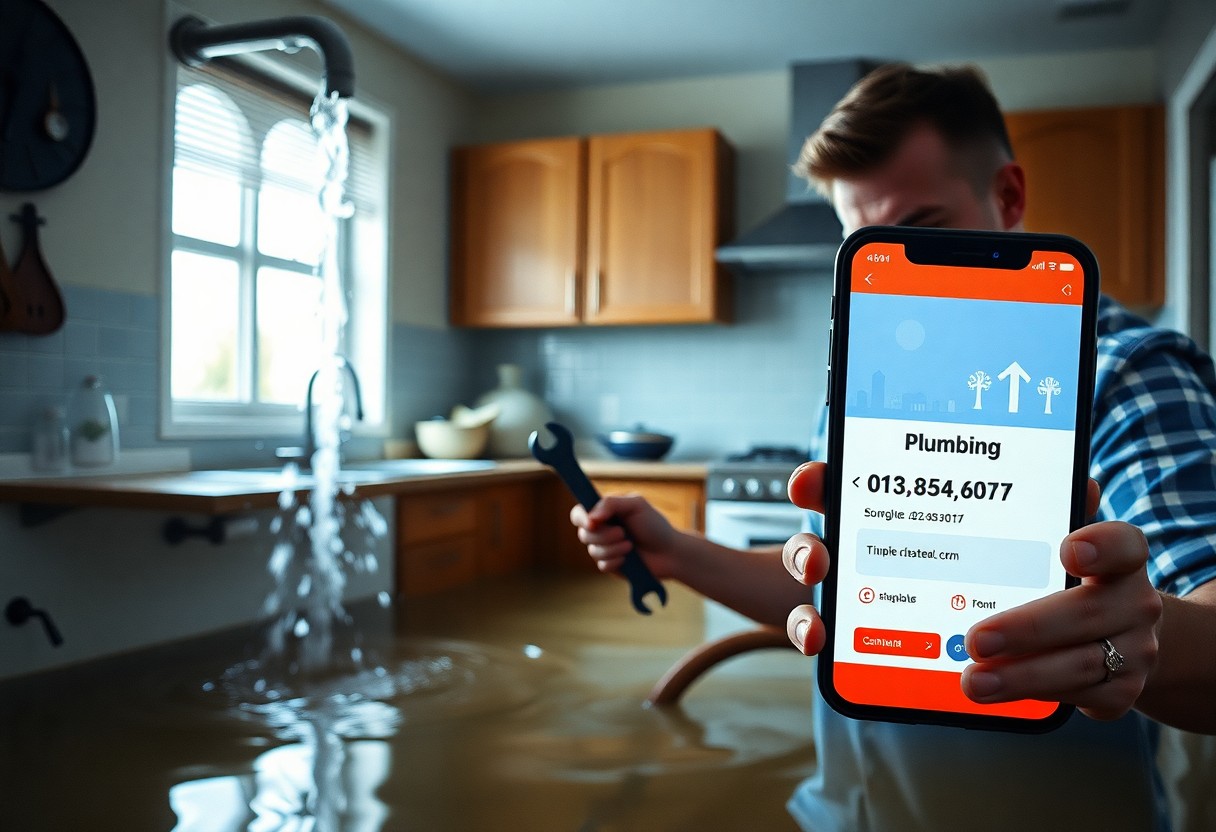
Any plumbing emergency can escalate quickly, so taking immediate action is necessary. First, assess the situation to determine the severity of the problem. If water is leaking or flooding, your priority should be to minimize damage by shutting off the water supply and preparing for further measures until professional help arrives.
Locating Main Water Shut-off Valve
On your home’s plumbing system, the main water shut-off valve is your first line of defense against overwhelming water damage. Typically located near where the water line enters your home, it can usually be found in a basement, crawl space, or outside. Familiarizing yourself with its location can save valuable time during an emergency.
Essential Tools for Emergency Response
Steps to effectively handle plumbing emergencies can be aided significantly by having the right tools at your disposal. Equip yourself with items such as a pipe wrench, adjustable pliers, Teflon tape, a bucket for catching leaks, and towels for quick clean-ups. Having these necessarys on hand not only helps you act swiftly but also empowers you to address minor issues before professionals arrive.
Indeed, ensuring you have these tools ready will make a noticeable difference during an emergency. For instance, a pipe wrench can help you secure brief fixes on leaking pipes, while Teflon tape can seal small gaps to prevent spills from worsening. By possessing these tools, you enhance your ability to manage situations effectively, protect your property, and potentially save on damages before help gets to you.
Burst Pipe Management
One of the most serious plumbing emergencies you may face is a burst pipe. When this occurs, your immediate response will determine the extent of damage to your property. First, turn off the main water supply to prevent further flooding. Next, open faucets to drain remaining water and relieve pressure in your plumbing system. If possible, identify the location of the burst pipe, and be prepared to provide information to the plumber when they arrive.
Temporary Pipe Sealing Techniques
With a burst pipe, quick action is imperative. You can use duct tape or a pipe clamp as a temporary fix to minimize water flow until professional help arrives. Wrap the area around the leak tightly with duct tape, or place a rubber patch over the hole, securing it with a clamp. This may not solve the problem permanently, but it can reduce water damage significantly.
Water Damage Prevention Methods
After addressing the immediate leak, your focus should shift to preventing water damage in your home. Start by removing any valuables and furniture from the affected area, and use towels or mop up standing water to protect your flooring and walls. If water has begun to seep into a floor or wall, consider using a wet/dry vacuum to extract excess moisture, which can help minimize further damage.
Plus, you should monitor the area for any signs of mold growth or further deterioration. Set up fans and dehumidifiers to promote airflow and dry out spaces quickly. If the leak is extensive, consider temporarily moving furniture outside to ensure proper drying. Taking these preventive measures can save you from expensive repairs and ensure your home stays safe and comfortable.
Severe Drain Blockages
Despite your best efforts in maintaining your plumbing system, severe drain blockages can occur unexpectedly. These situations often lead to overflowing sinks and foul odors, making it vital to take immediate action. Be prepared to address the problem promptly, as severe blockages can disrupt your home and lead to further plumbing issues if left unattended.
Safe Chemical and Manual Solutions
Around your home, you may find several effective, safe solutions for minor to moderate drain blockages. Consider using a plunger or a plumbing snake to dislodge debris manually. For chemical solutions, opt for eco-friendly drain cleaners that dissolve clogs without harming your plumbing or the environment. Always follow the instructions carefully to ensure optimal results.
Preventing Sewage Backup
One of the best strategies to prevent sewage backup is regular maintenance of your plumbing system. Ensure that you are mindful of what you flush down the toilet or pour down the sink, as foreign objects or grease can lead to significant issues. Scheduling routine inspections can help identify potential problems before they escalate into emergencies.
Drain maintenance is important to avert sewage backup. By keeping an eye on your drainage system, you can install strainers in your sinks to catch debris, and perform periodic inspections to detect early signs of trouble. Flushing your drains with hot water and baking soda can help clear buildup, while having a professional inspect your sewer line can uncover hidden issues, ensuring your plumbing remains in optimal condition for years to come.
Water Heater Failures
For homeowners, water heater failures can lead to unwanted mess and inconvenience. When your water heater malfunctions, it’s important to act swiftly to mitigate damage and prepare for repairs. Look for signs like leaks, no hot water, or strange noises coming from the unit, as these can indicate a serious problem that requires immediate attention.
Emergency Shutdown Procedures
After identifying an issue with your water heater, your first step is to shut off the power supply to the unit. For electric heaters, switch off the circuit breaker. If you have a gas unit, locate the gas shut-off valve and turn it clockwise to stop the flow of gas. This prevents further damage or hazards while waiting for professional assistance.
Leak Containment Strategies
Across your home, leaks from a water heater can quickly escalate into major flooding issues. To contain any leaks, locate the source and place a bucket under it to catch dripping water. You can also use towels or absorbent materials to soak up excess water nearby. If the leak is significant, shut off the main water supply to prevent further flooding and protect your home.
At times, your water heater may spring a leak that seems extensive. Use waterproof tarps or large trash bins to channel and contain water directly from the source. If you can, identify the weak point in the piping or connections and apply waterproof tape as a temporary fix. Always prioritize safety; if you feel uncertain about the situation, it’s best to evacuate the space and wait for professionals to address the issue.
Documentation and Communication
After experiencing a plumbing emergency, it is necessary to document the situation thoroughly and communicate effectively with professionals. This not only helps in assessing the damage but also assists your plumber in diagnosing the problem quickly. Take notes on what happened, when it happened, and any specific details you notice about the issue. Keeping clear, organized records will facilitate a faster resolution and ensure that all parties are on the same page.
Photographing Damage for Insurance
For your insurance claim, taking detailed photographs of the damage can be invaluable. Capture images of the affected areas, including any visible leaks, water damage, and the surroundings. Aim for clarity and include timestamps if possible, as these will support your claim and provide evidence of the situation before the repairs are made.
Effective Communication with Plumbers
Around the time you contact a plumber, ensure you communicate all relevant details about the issue. Be prepared to describe the problem, your observations, and any actions you’ve taken to mitigate the damage. This information will assist the plumber in assessing the situation more effectively, leading to quicker diagnostic and repair steps.
Even if you’re unsure of the technical terms, try to convey your experience accurately. Ensure you state how long the issue has been occurring and any changes in the severity of the problem. The more precise and detailed your communication is, the better the plumber can tailor their response to your specific plumbing emergency and address it swiftly.
Conclusion
Following this guide, you can confidently manage plumbing emergencies until professional help arrives. By knowing how to shut off water supplies, contain leaks, and assess the situation, you can minimize damage to your home and protect your belongings. Staying calm and taking immediate action will ensure that you maintain control during such stressful situations. With this knowledge, you are better prepared to handle any plumbing crisis that may arise.